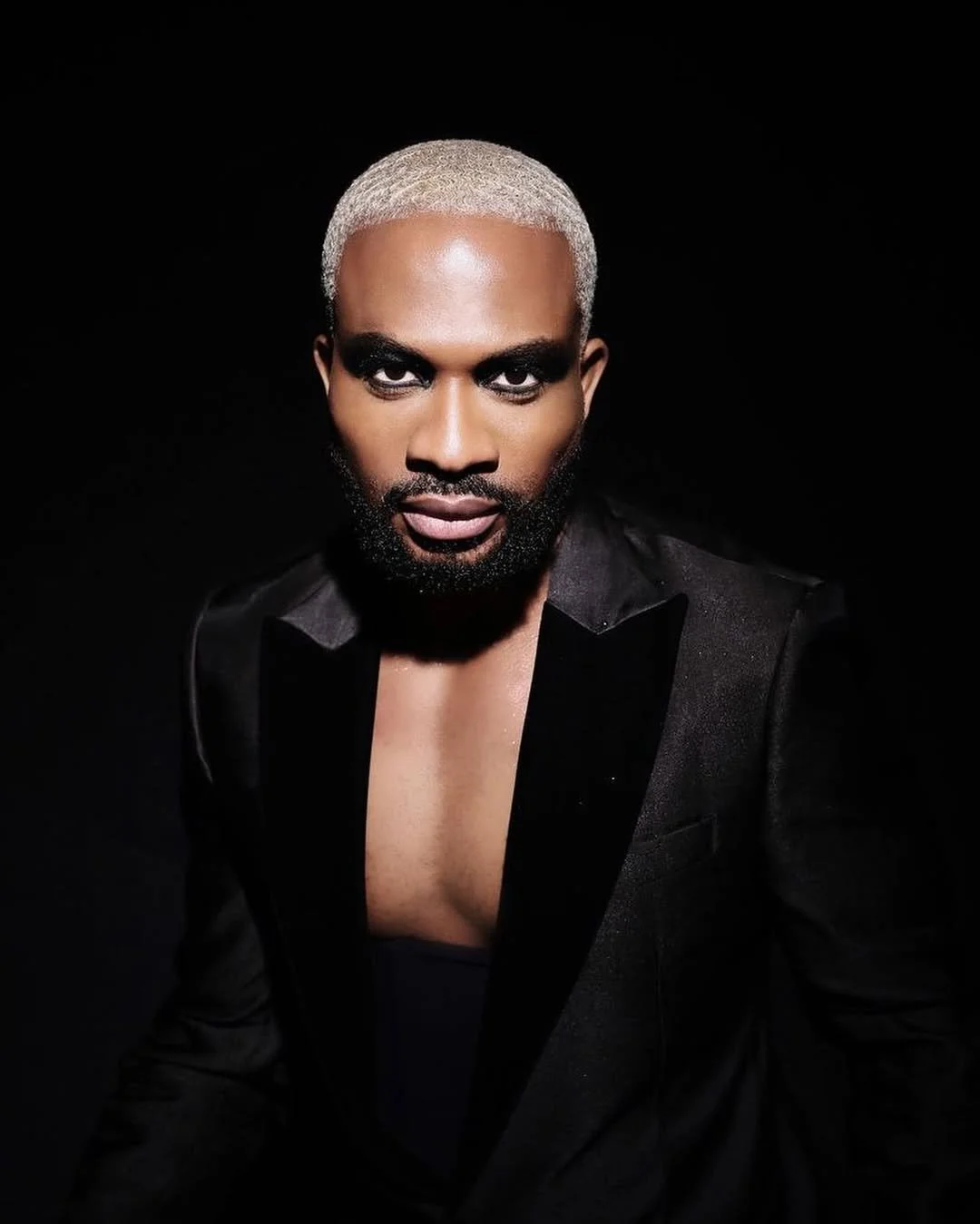
Adebayo Oke-Lawal, Founder of Orange Culture. Photo by Michael Oshai
In the vibrant tapestry of global fashion, where trends often dictate conformity, a singular voice has emerged from Nigeria, challenging established norms and celebrating fluidity with audacious creativity. Adebayo Oke-Lawal, the visionary founder, creative director, and chief executive of Orange Culture, stands as a pioneering force, meticulously crafting a brand that is far more than just clothing. Launched in 2010/2011, Orange Culture is an emotional string of socially aware stories and profound expressions, meticulously cut into fabric, driven by the belief that fashion can and should save lives.
Adebayo's journey into the world of design was shaped not by formal fashion school, a path his parents initially resisted, but by an innate passion and a sharp sensitivity to the world around him. From a young age, he harbored a distinct passion for confronting societal norms, ignited by the exposure his stylish family provided. He vividly recalls using Argos magazines, brought back to Nigeria by his parents, as his early sketching catalogs, where he found joy in drawing human figures and designs. This early inclination blossomed from a more profound sense of feeling "out of place" and recognizing a significant lack of representation within the Nigerian menswear industry, a void he felt compelled to fill.
As a teenager, his insights crystallized in an article titled “Orange Boy,” a poignant reflection on being bullied for his identity and beliefs that defied stereotypes. This article, which unexpectedly trended and drew responses from readers, inspired him to create a powerful voice for others like himself. It was then that he merged his passion for creation with a compelling narrative, exploring emotionality and vulnerability within men, alongside showcasing the inherent beauty of African culture in ways menswear had not yet dared. Although he pursued a Bachelor of Science in Finance from the University of Lagos and a Master of Science in International Business from Northumbria University, Adebayo’s burning desire led him to fashion. He started small by saving money, working with fashion magazines, and interning during fashion week to make his dream a tangible reality.
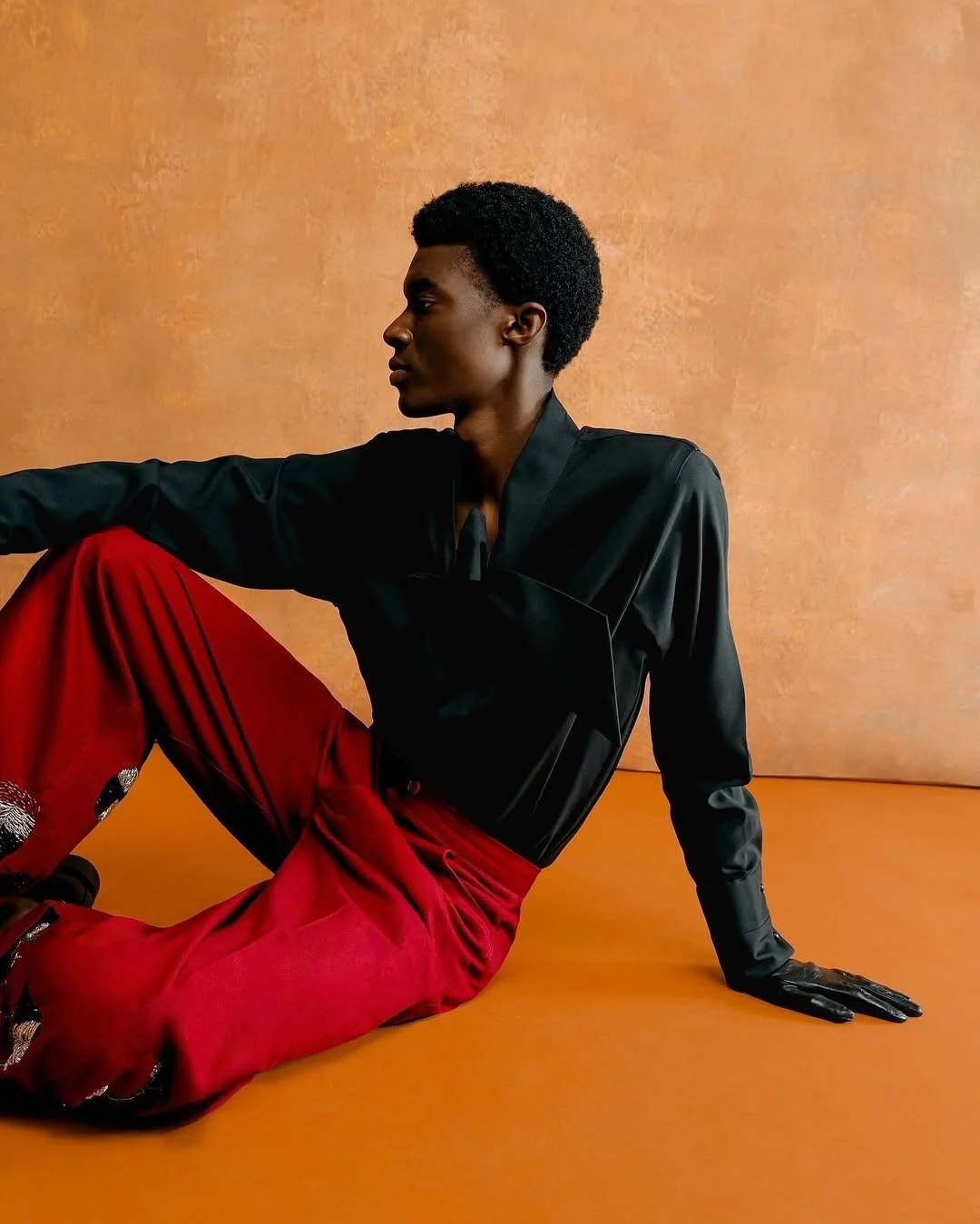
Orange Culture’s SS25 Collection- The Memory and Ongoing of Home. Photo by Christina Ebenezer
Orange Culture, from its very inception, was unlike any other brand on the African continent. As Oke-Lawal defines it, it is a movement that fearlessly challenges traditional notions of gendered fashion. His collections, encompassing both men's and women's wear, boldly blur the boundaries between culture and gender by blending rich Nigerian and other African references with universal streetwear silhouettes, often in unexpected and intriguing fabric choices. Central to Oke-Lawal’s work is a profound interrogation of the subtle cues that masculine dress broadcasts to society, directly confronting hypermasculinity, injustice, and the suppressed expressions of Africanism through his designs. This audacious approach initially sparked controversy, yet it only fueled his determination, propelling him to push the brand's possibilities even further, transforming it into a formidable force to be reckoned with globally. The brand believes clothing should be fluid, designed with the ability to be worn by anyone and everyone, resulting in a heady mixture of Nigerian-inspired print fabrics, vibrant colors, and strikingly contemporary androgynous clothing.
Beyond its ground-breaking aesthetics, Orange Culture is built upon a strong commitment to ethical and sustainable practices. The brand’s materials are ethically sourced directly from Nigerian fabric makers, ensuring transparency and local support. Each piece is crafted with meticulous care and integrity by a team of rigorously trained local staff, upholding the highest standards of craftsmanship. Fabric sourcing is conducted with environmental consciousness, and manufacturing procedures are designed to produce zero to minimal waste, reflecting a deep respect for the planet. Furthermore, Orange Culture champions longevity through innovative revamp programs, encouraging customers to return a garment for updates, extending its lifecycle, and reducing consumption. This conscientious approach extends to community development, with Adebayo having established vital grants, mentorship programs, and education initiatives, including The Orange Mentorship, specifically designed to provide aspiring fashion entrepreneurs with the invaluable information and access he wished he had at the genesis of his own remarkable career.
Orange Culture's impact and recognition have been nothing short of meteoric. The brand was first catapulted onto the international stage in 2014 when it was selected as a semi-finalist for the prestigious LVMH Prize, subsequently becoming one of the 20 finalists chosen from over 1221 brands worldwide in 2015. This early recognition attracted the attention of leading fashion editors and stylists, securing prominent stockists including Browns, Farfetch, Temple Muse, The Folklore, and Merchants on Long.
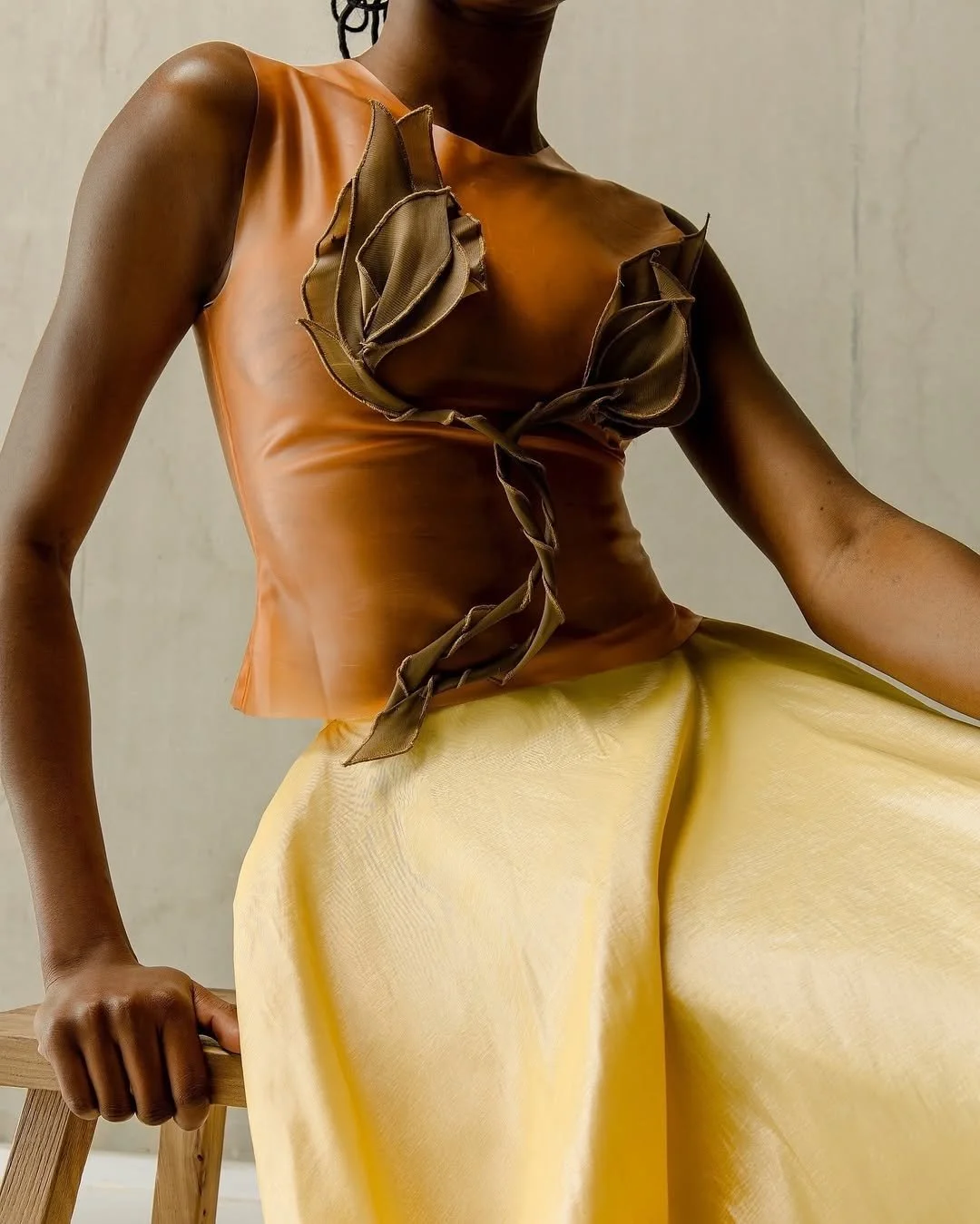
Orange Culture’s SS25 Collection- The Memory and Ongoing of Home. Photo by Christina Ebenezer
Orange Culture is a regular and highly anticipated participant at Lagos Fashion Week, having proudly showcased its collections at London Fashion Week and New York Fashion Week, and debuted a highly successful Spring/Summer 2020 collection in 2019. Its influence spans major collaborations, including partnerships with Budweiser, Nosakhari London, Dennis Osadebe, Rokus London, Huawei, and Maxivive. The brand's most notable collaboration involved a limited-edition collection designed with globally recognized Nigerian artist Davido, sold exclusively at Selfridges, marking Adebayo as the first Nigerian designer to be stocked in the iconic major store.
Orange Culture's garments have been embraced by an impressive roster of best-dressed celebrities, including Lupita Nyong'o, Dua Lipa, Akon, Chimamanda Ngozi Adichie, Ncuti Gatwa, Kelly Rowland, Davido, Adekunle Gold, Ayra Starr, and Tiwa Savage, significantly boosting the brand's media presence. This widespread appeal also led to Orange Culture becoming the first-ever African brand to be nominated for the coveted Woolmark Prize. The brand's profound impact on androgynous, Nigerian, and African fashion has been recognized through its features in two major showings at the esteemed Victoria and Albert Museum (V&A) in London, as well as numerous other museums worldwide.
Further solidifying his standing, Adebayo Oke-Lawal was recently inducted into the Business of Fashion's BOF 500 List for 2022, a testament to his role in shaping the global fashion industry. The V&A collection specifically explored the nuanced battle for acceptance faced by migrants navigating a new country, speaking to the journey of creating a version of home while finding community, with designs drawing inspiration from the safe, natural havens of Oke-Lawal's childhood gardens. Today, Orange Culture pieces can be found stocked in fashion hubs across Lagos, Paris, London, New York, Atlanta, Hollywood, and Kenya, with ambitious plans for further expansion.
Orange Culture, under Adebayo Oke-Lawal's audacious leadership, is truly a brand to be reckoned with. It is a powerful conduit for emotional stories, a champion of fluid identity, and a global ambassador for bold African narratives, proving that fashion can indeed be a catalyst for meaningful social change.