Meet the Designers in Lagos Fashion Week’s Green Access 2026 Cohort
Sustainability in African fashion looks a bit different from the rest of the world. But generally, to us, it is the passing down of a craft technique from generation to generation. It is also taking materials, stories, and techniques around us and asking how they can be used differently and creatively. This is the thinking behind Lagos Fashion Week's Green Access.
Green Access is Lagos Fashion Week's designer development and accelerator programme focused on sustainability, circularity, craftsmanship and responsible production. For its 2026 cohort, the programme is bringing together designers exploring the relationship between traditional craft, contemporary fashion and more sustainable ways of creating.
This year's cohort includes Koffi Maako, Abiyetara, David Black Atelier, ByFalase and Afrique KOD. While their practices are very different, they all offer an interesting look at what sustainability can mean within African fashion.
Koffi Maako

For Ghanaian designer Mako Akolam, founder of KOFFI MAAKO, clothing begins with structure. The contemporary African fashion brand draws from Gurunsi architecture, translating its geometric forms and building principles into garments and objects. Rather than treating clothing simply as a product, Akolam approaches it almost like architecture, using silhouette, structure and textiles to communicate ideas about culture and memory.
The brand's work is also rooted in handmade and curated textiles, making material and craft an important part of the design language.
Abiyetara
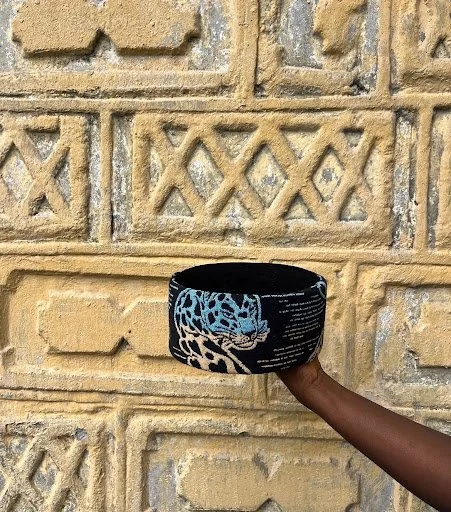
Image source: Abiyetara on Instagram
TammyTara Abaku founded Abiyetara with a focus on indigenous culture and the stories behind it. The brand's work explores the history, artistic practices, and social values of indigenous communities through fashion. Essentially bringing traditional craftsmanship into contemporary pieces. Its approach connects cultural preservation with ethical production and economic opportunity.
That is particularly visible in Abaku's work around beadwork and skills development. Through initiatives such as the Waterside Community project, she has worked to support women and girls in Okrika by teaching beaded embroidery as a fashion skill.
For Abiyetara, then, sustainability extends beyond the question of what a product is made from. It also raises questions about who holds the knowledge to make it, whether that knowledge is being passed on, and whether the people behind a craft can benefit from its continued relevance.
David Black Atelier

Larry Hector in Njem Set by David Black Atelier
Image Source: David Black Atelier on Instagram
Kalu David founded David Black Atelier with an interest in what happens when fashion and art meet. The Nigerian label combines textile traditions, cultural references, and storytelling with contemporary design. Rather than reproducing African fashion exactly as it existed in the past, the brand explores how identity and heritage can translate into clothing that feels relevant now.
As David told Ekinken, “We take what we are in textiles, identity and storytelling and transform it into modern pieces that can stand the test of time on the global stage.”
That idea of longevity is particularly relevant to conversations around sustainability. A piece that is designed with craftsmanship, meaning and a strong sense of identity can have a life beyond a single trend or season.
ByFalase
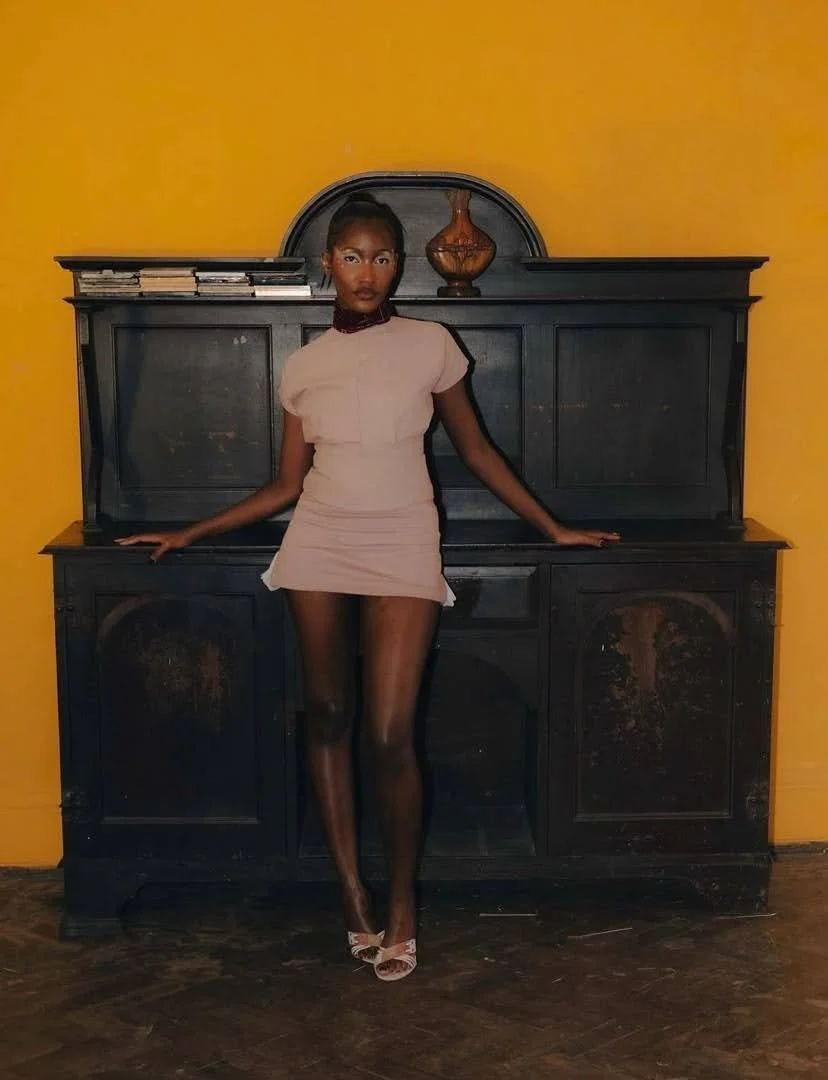
Founded by Oreoluwa Falase, ByFalase is a narrative-driven womenswear label working between Lagos and London. The brand uses Nigerian identity, cultural symbols and personal storytelling as part of its design language. Its collections often take familiar elements of Nigerian life and reinterpret them through contemporary womenswear.
That could mean looking at something as ordinary as a Lagos number plate and turning it into a design detail, or drawing from Nigerian colours, symbols and cultural references in ways that feel more connected to everyday life than traditional dress.
ByFalase also describes itself as a slow-fashion brand, making its production approach part of the wider conversation about how and why clothes are made.
Afrique Kod
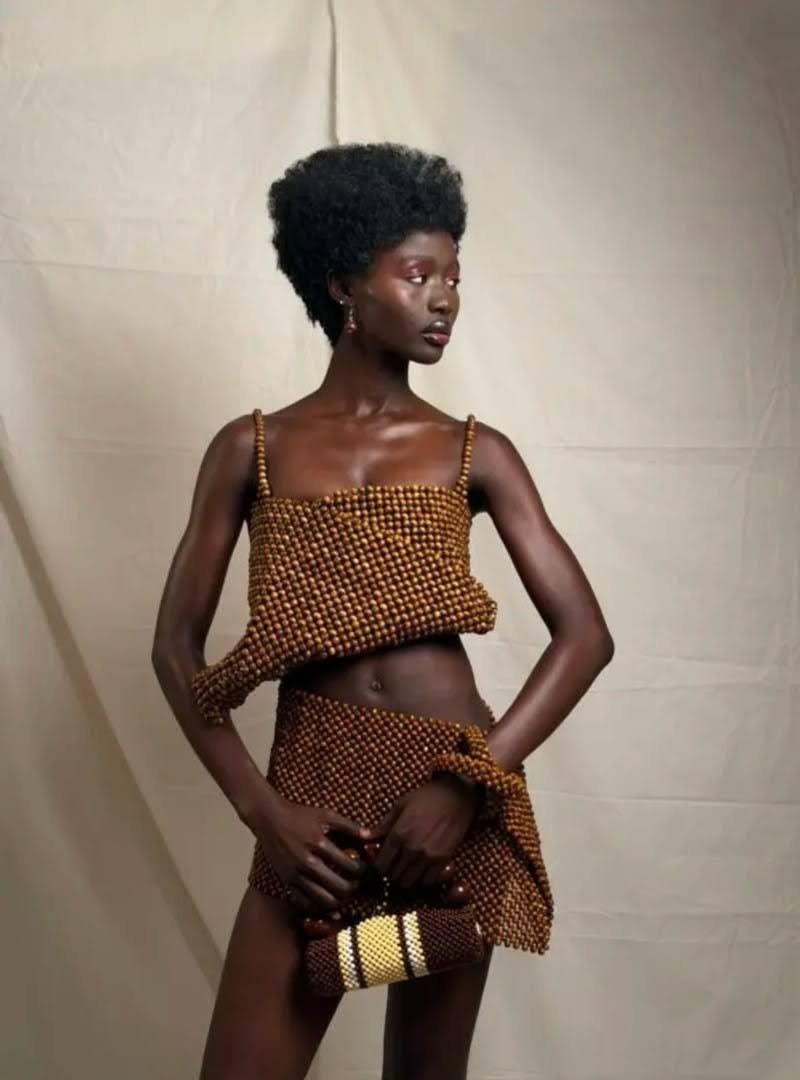
Dorcas Kadiri's Afrique Kod approaches African craftsmanship through accessories. The Nigerian brand is known for its handmade beaded pieces, transforming traditional techniques into contemporary bags and accessories.
Its work is an intersection of culture, design, and craftsmanship, while also creating opportunities for artisans and keeping specialist skills in circulation.
Craft is often discussed as heritage, something that belongs to the past. But brands like Afrique Kod demonstrate that traditional skills can also have a place in the present when they are given new forms, new audiences, and new commercial possibilities.
A Different Way of Thinking About Sustainability
Together, these five designers show that there is no single way to approach sustainability in African fashion.
For one designer, it might mean looking to architecture and handmade textiles. For another, it might mean protecting indigenous knowledge. It could mean working with artisans, designing more slowly, creating pieces with longevity, or finding contemporary uses for traditional techniques.
African fashion already has a wealth of craft traditions, indigenous materials, and making practices. The challenge is figuring out how those things can continue to evolve without losing the knowledge and communities that made them possible in the first place.