The Future of African Fashion, According to the People Building It
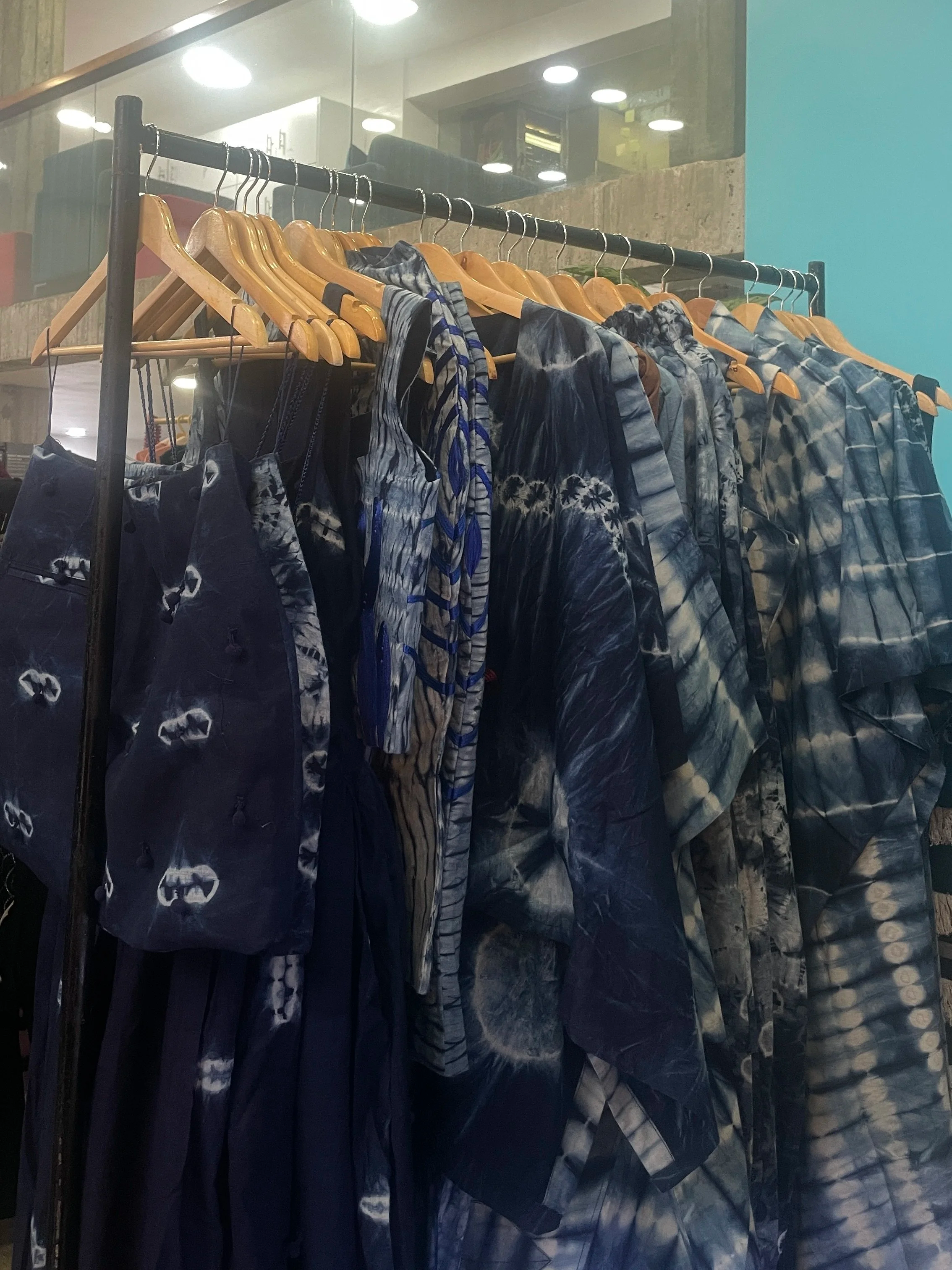
A rack of Sarah Imani’s pieces photographed Precious Akpevba
For years, conversations about African fashion have centered on its potential. The continent has talent, craftsmanship, culture, and stories. The only question seemed to be when the rest of the world would catch up.
That conversation is beginning to change.
At VVS Future Lab, a gathering of emerging designers and industry leaders, the future was described as something already taking shape in the founders building brands with a different set of priorities.
For designers like Sarah Imani of Imani and Kalu David of David Black Atelier, African fashion's next chapter isn't simply about making beautiful clothes. It's about redefining what success looks like.
Every lasting fashion brand begins with a reason for existing. For Sarah Imani, that reason started with a simple observation. After spending more than a decade working as a production specialist, she noticed two recurring problems. Women, especially as they grew older, often preferred natural fabrics over synthetic ones for comfort and well-being. At the same time, the female artisans who produce many of the industry's finest garments remained undervalued despite their extraordinary skill. Those experiences became the foundation of her brand.
Today, Imani works exclusively with 100% cotton fabrics and centers much of her collection around indigo. This colour is inspired by childhood memories of growing up in northern Nigeria. In northern Nigeria, indigo garments were once associated with prestige during festive celebrations.
For her, sustainability is not a marketing trend. It's about the fabric itself. "Our clothes should care for the people wearing them," she explained, describing her commitment to natural fibres and traditional dyeing techniques.
David Black Atelier was born from a different question.
Founder Kalu David wanted to explore what happens when fashion meets art. His brand blends textile traditions, storytelling and contemporary design into pieces that feel both modern and distinctly African.
Rather than recreating the past, he sees fashion as a way to translate identity into something that resonates across cultures while staying rooted in its origin.
"We take what we are in textiles, identity and storytelling and transform it into modern pieces that can stand the test of time on the global stage."
Although their aesthetics differ, both founders arrived at the same conclusion: the strongest brands are built around a clear point of view.
When asked what excites them most about African fashion's future, they spoke about intention. Imani believes the next generation is becoming increasingly confident in its own identity. Instead of chasing fast fashion or looking elsewhere for inspiration, more designers are embracing local craftsmanship and drawing from the histories around them.
She points to brands celebrating indigenous traditions and regional heritage as evidence that African designers are no longer hiding the stories that make them different.
"We're becoming proud to show our heritage," she said.
David shares that optimism for a different reason. For him, the continent's greatest resource has always been its people. Every fashion week, exhibition and creative gathering introduces new talent pushing the boundaries of design. That constant wave of originality convinces him African fashion is not a passing trend but an industry with enduring influence.
"Nigeria has one of the deepest pools of creative talent," he said. "Every event introduces something new."
Together, their reflections paint a picture of an industry becoming less interested in imitation and more invested in originality.
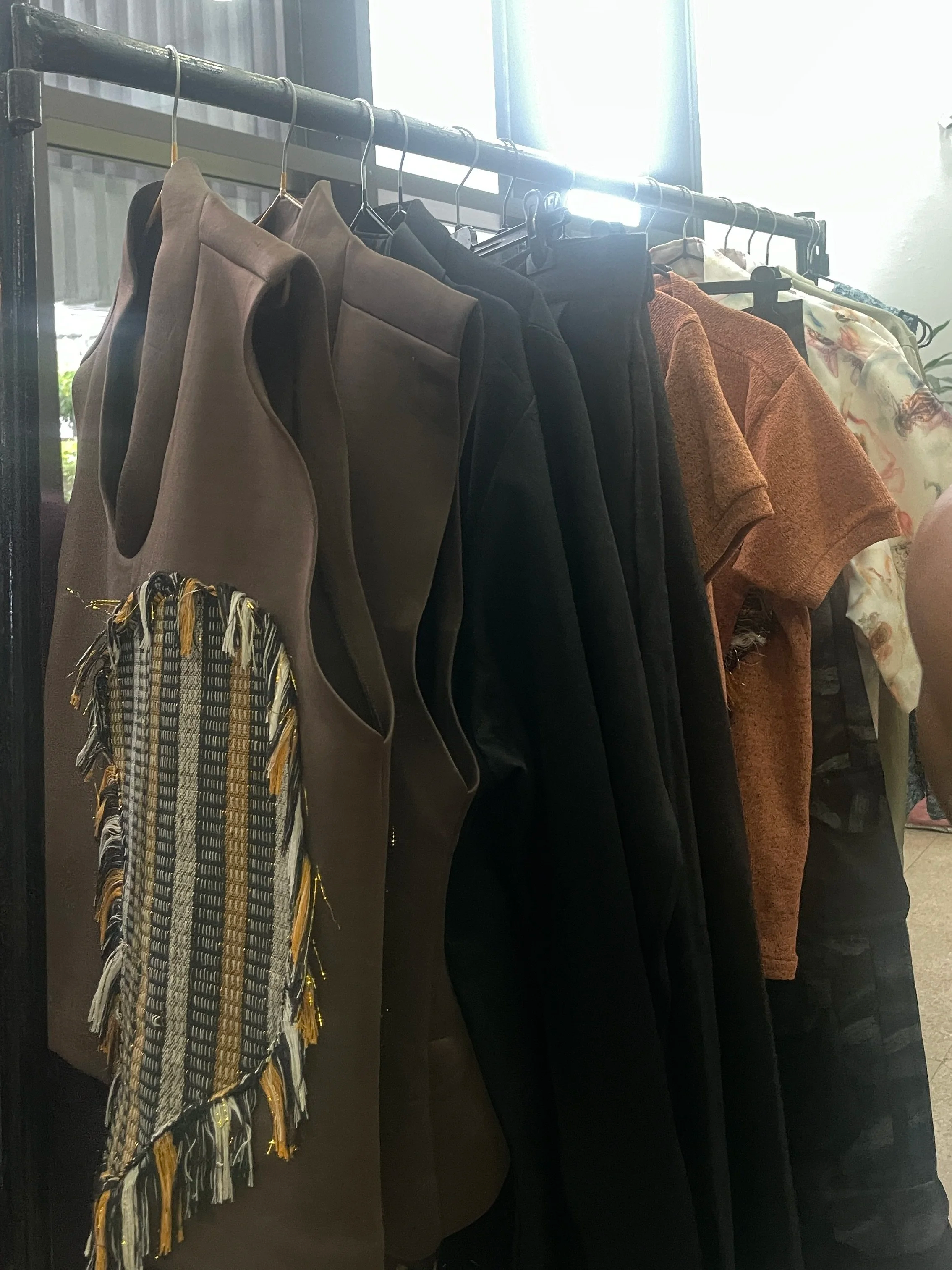
A rack of David Black Atelier pieces photographed by Precious Akpevba
For decades, African fashion has influenced global style while often receiving little recognition for its contributions. That, both founders believe, is beginning to change.
Imani points to technology and digital platforms that now allow designers to showcase the quality of African craftsmanship to audiences that may never have encountered it otherwise. The result is growing appreciation not only for African aesthetics but for the skill behind them.
David believes African fashion is no longer viewed as a cultural curiosity but as an economic force capable of generating commerce, employment and global influence.
Rather than occupying the margins of the global industry, African designers are increasingly becoming part of its future.
For emerging designers, both founders offered advice that was remarkably similar. Imani encourages young creatives to draw inspiration without falling into imitation.
Fashion basics may be universal, she said, but originality lies in how designers interpret them. The goal isn't to reinvent every silhouette. It's to bring a perspective only you can offer.
"Don't copy," she said. "Be inspired. Then create something that's yours."
David's advice is equally simple. Ignore the noise. Building a brand inevitably attracts opinions about what should change, which trends to follow, and how success ought to look. While feedback has its place, he believes founders must learn to trust their own instincts.
"Stay true to yourself," he said. "Keep getting better at what you do. It may take time, but the world will eventually see it."
If there was one idea that connected every conversation at VVS Future Lab, it was that African fashion's future will not be built by brands trying to become the next version of someone else.
It will be built by founders confident enough to embrace where they come from, disciplined enough to build sustainably, and ambitious enough to believe their work belongs on the world stage.