Morocco’s Timeless Gift to Fashion
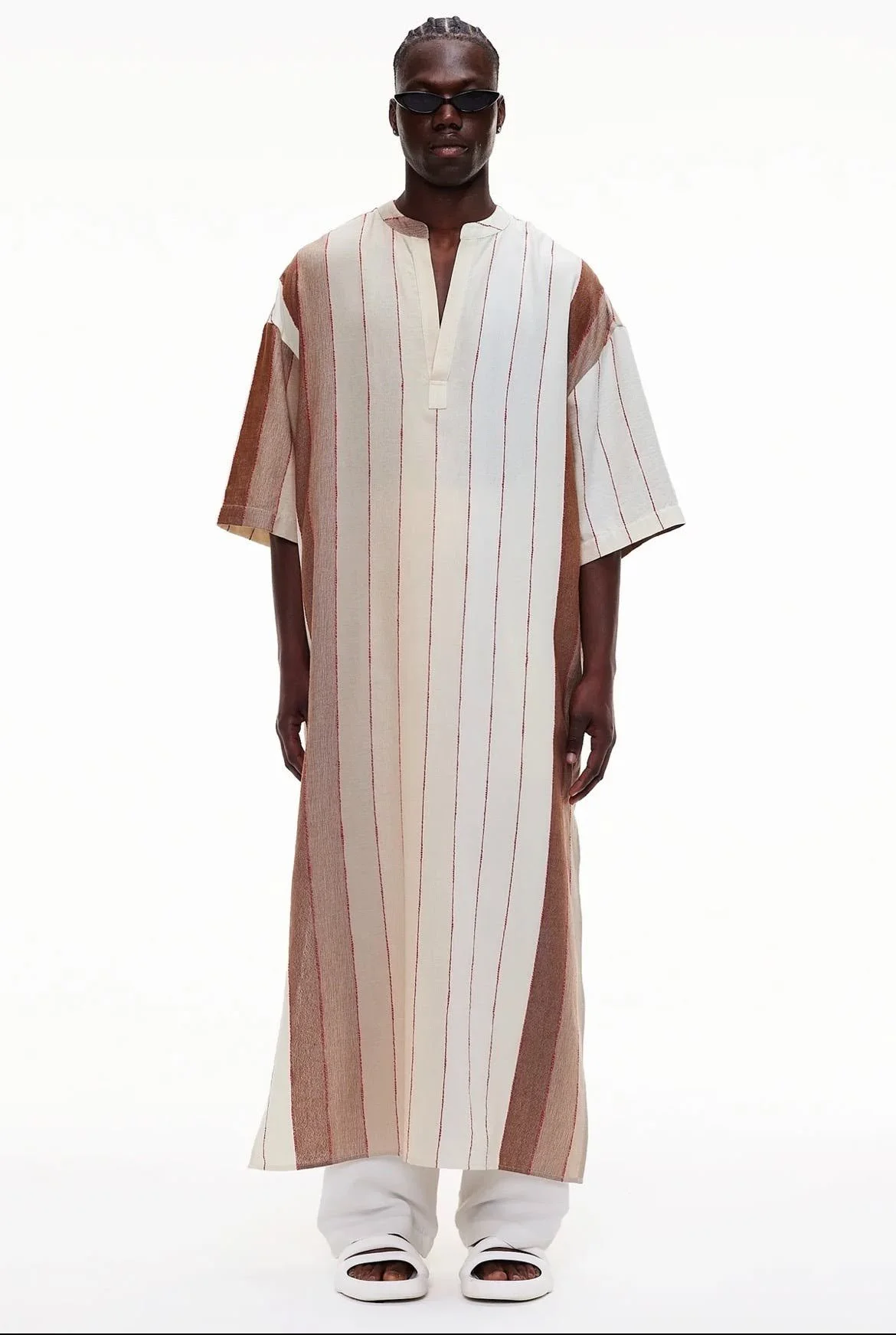
The Caftan by Marrakshi Life
The first time I saw the Moroccan kaftan was in a glossy paperback magazine from when I was quite young. It was so memorable, and the allure and memorability of the kaftan is what brought this piece to life.
The kaftan or caftan is a generic term used by major empires to refer to a specific type of garment. These garments were usually offered to persons of distinction and foreign ambassadors. This is because the kaftan was never just clothing; it was also a marker of status. It carried the weight of prestige and authority, so to receive one was to be recognized and honored. Think of it like being awarded a medal or title today.
Before becoming a garment for women, the kaftan was originally only worn by men. It appeared in the 12th century because the rulers at that time wanted to return to a simpler garment.
As time passed, the princely weaving workshops known as Tarz continued to flourish in the production of kaftans. It was also no longer simplistic, as it was a mix of silk garments with gold threads woven in the region of Fez.
The kaftan underwent a significant transformation in the 15th century. This change was spearheaded by the arrival in Morocco of Andalusians who were driven from Spain. They settled mainly in Tetouan and Fez. With the arrival of the Andalusians came new knowledge, which blended well with the Moroccan culture and art. They contributed significantly to embroidery.
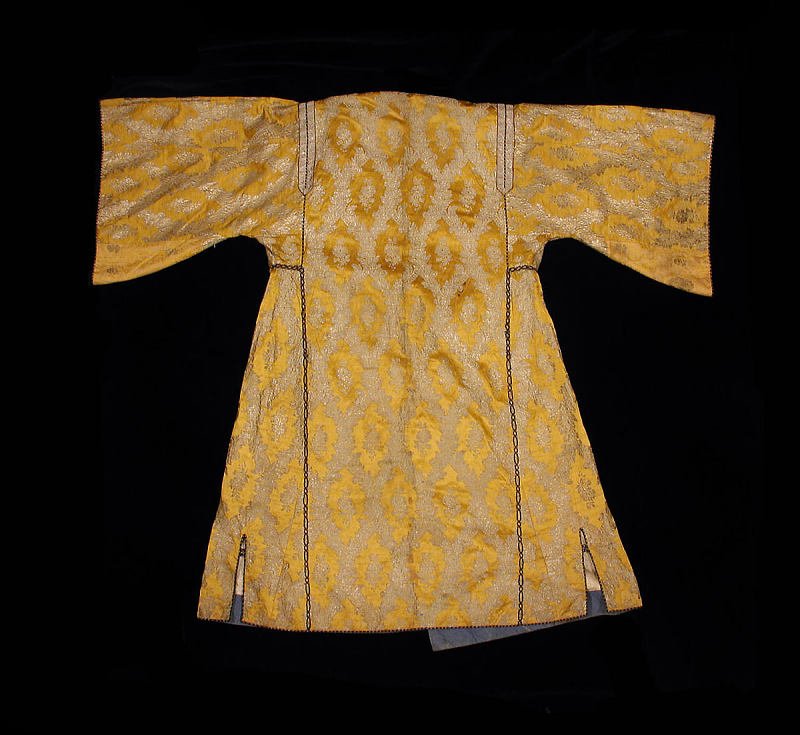
Moroccan Kaftan kept by the Smithsonian National Museum of African Art
.jpg)
During the Saadian era, women began to wear kaftans. This led to the use of new fabrics in the kaftan's construction. On the men's side, the kaftan was made with Brown Blues, which is a sheet imported from England. The dark blue of these sheets officially became the national color for wealthy clothing.
In the late 19th century, the kaftan became exclusively feminine. Many women wore kaftan dresses made from beautiful materials and featuring intricate embroidery.
There are as many Moroccan kaftan designs as regions. In Morocco, the “major kaftans” are those of the area of Tetouan, known as Chamali; the region of Fez, known as Fassi; and that of the region of Rabat, known as Rbati.
The 20th century saw extensive experimentation with the kaftan. There were different cuts, colors, and fabrics. It was this contemporary edge that pushed it across the Moroccan borders.
The kaftan has always been so deeply woven into Moroccan social life. It is the garment of choice for weddings, religious festivals, and rites of passage. Each design used carries cultural and spiritual meaning.
Today, one of the most significant cultural highlights of the kaftan is the Marrakech Kaftan Week. It is an annual celebration of Moroccan haute couture. This week, designers are interpreting the tradition for the international Tarz. The Marrakech Kaftan Week began in 1996 and is organized by the Moroccan magazine “Femmes Du Maroc”.
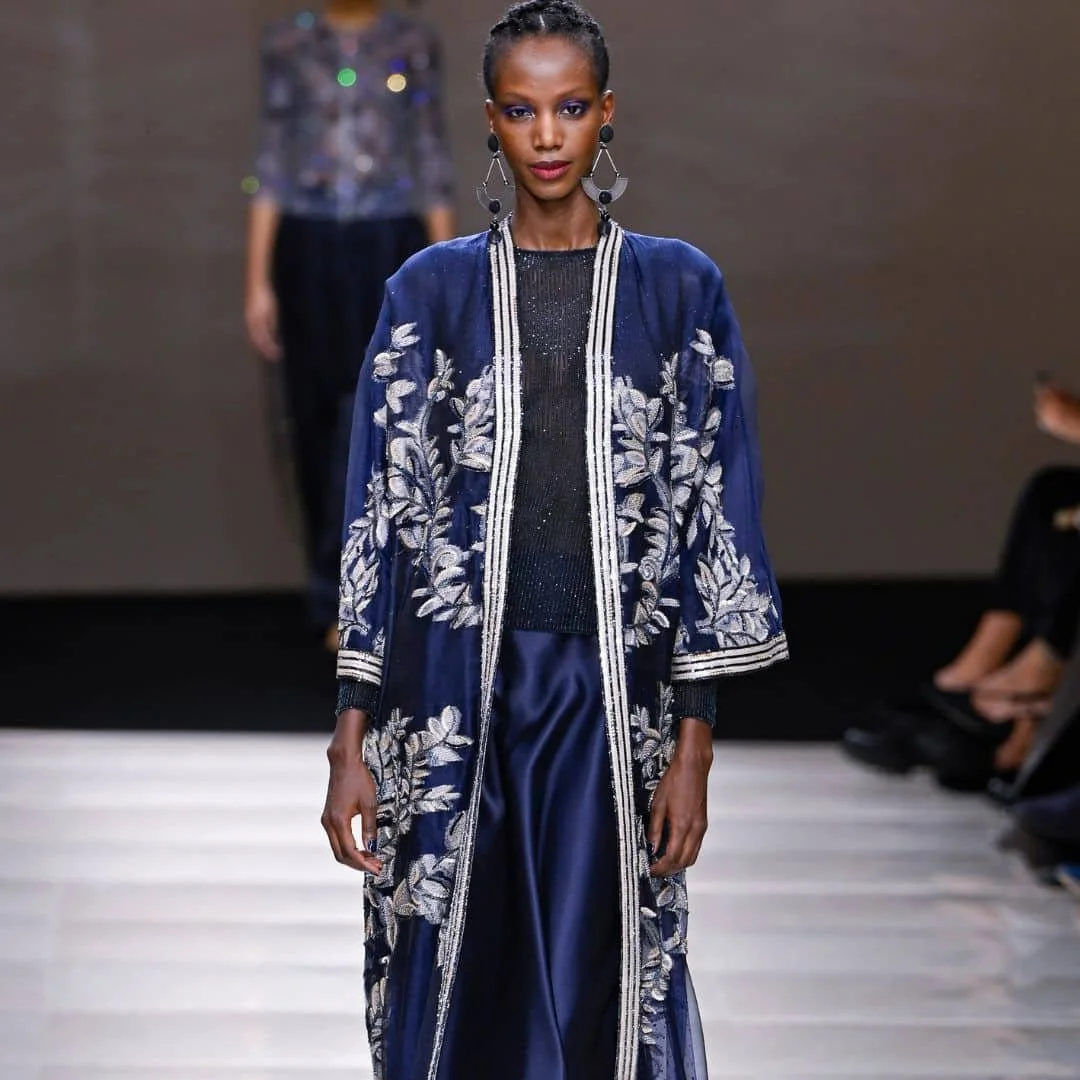
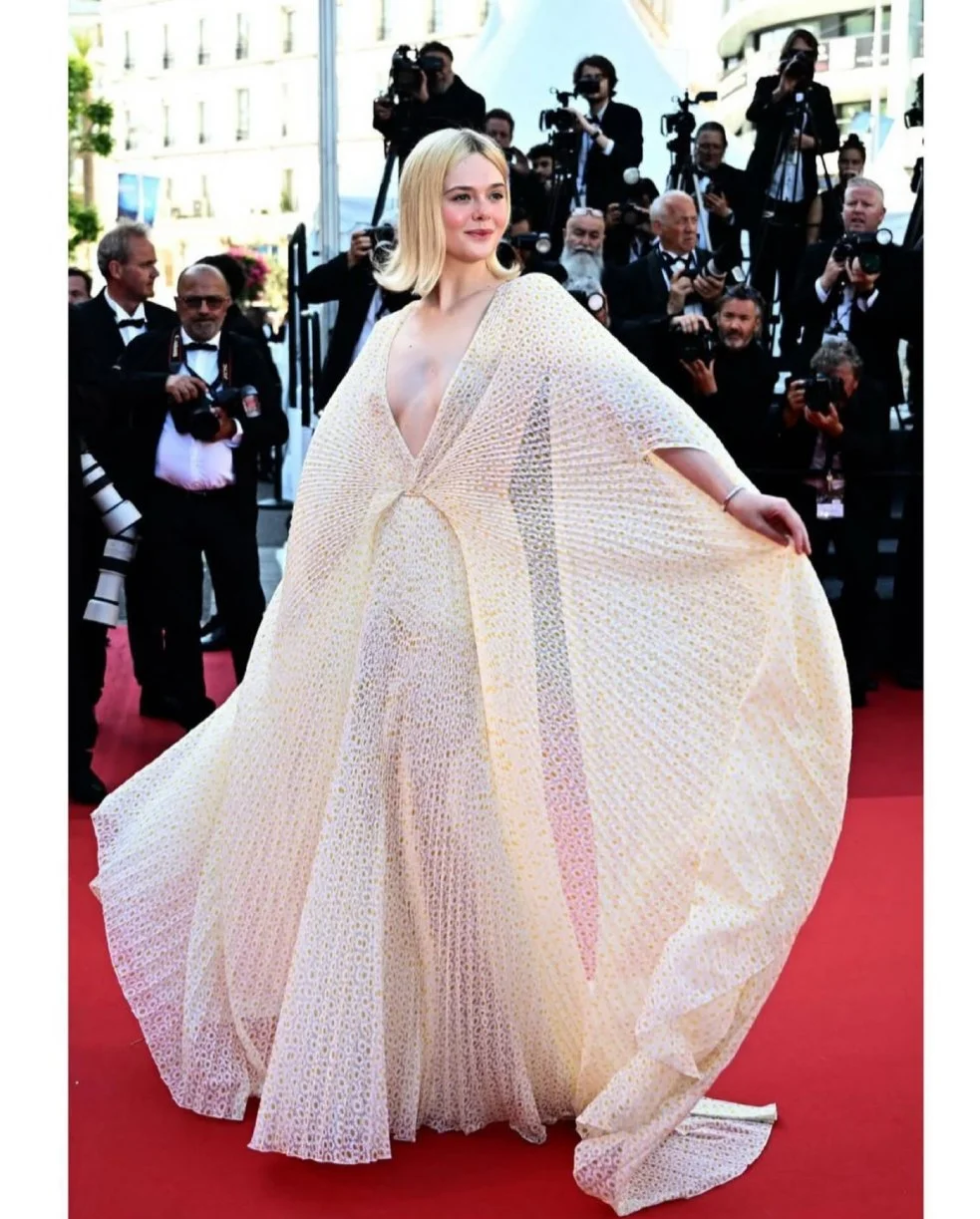
Furthermore, the kaftan has also gained popularity in the international market. At the 2024 Cannes Film Festival, Elle Fanning wore a kaftan dress from the 2025 Gucci Resort collection. The Armani Privé Spring/Summer 2024 haute couture collection also features a blue robe that incorporates Moroccan kaftan elements.
The kaftan is one of the most beautiful garments, deeply rooted in history. To this day, it showcases Moroccan tradition despite its acceptance of innovation. It continues to tell a story of Moroccan regality, and that remains alluring.