Anima Iris: Everyone Wants African Fashion Until It’s Time To Pay For It
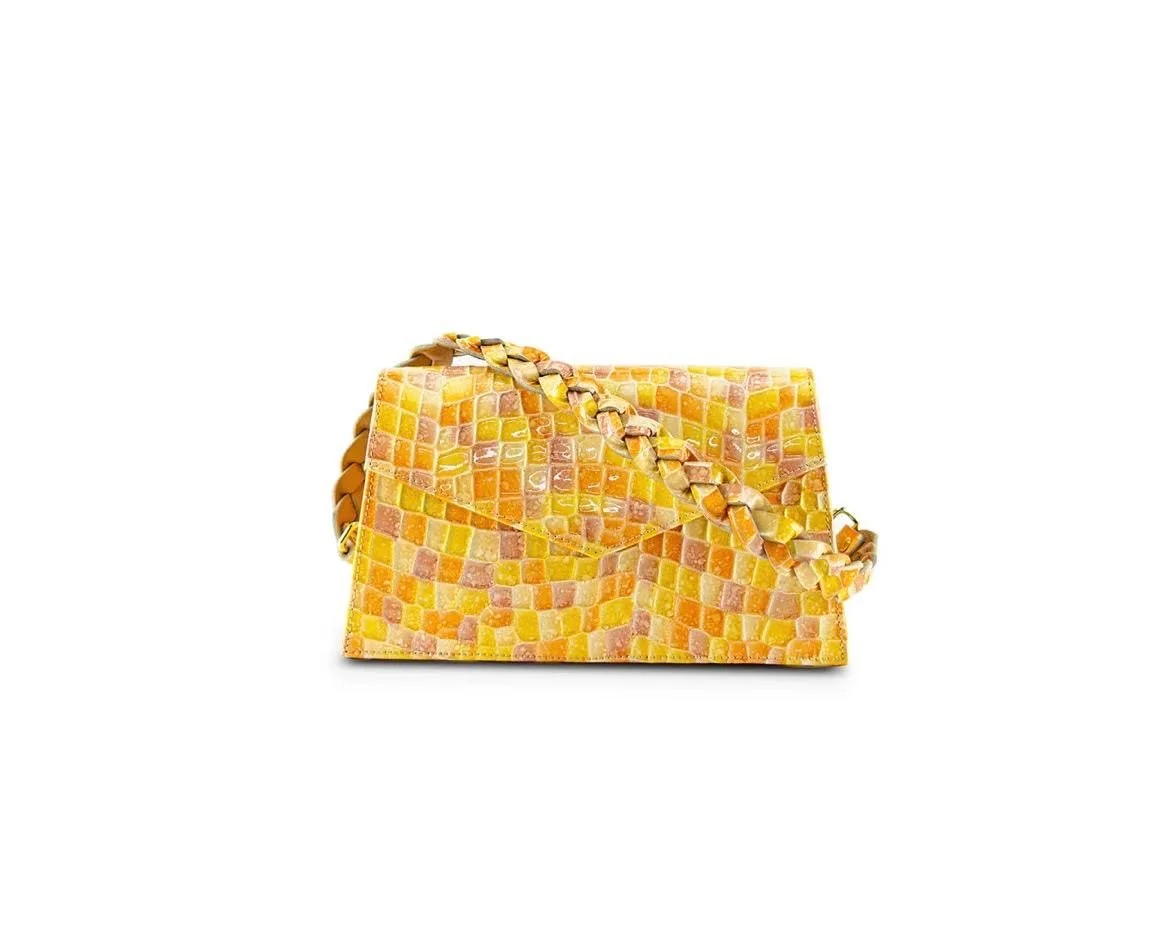
Starbust Zaya by Anima Iris
I remember the first time I saw a bag from Anima Iris. This bag caught my attention and stopped me from scrolling. I didn’t think about the price, I just wanted it.
This is how African fashion often enters people's imagination. It comes in as a feeling and not a product. It’s great for the mood board, and everyone saves it on their Pinterest. Something to be referenced, recreated, and reinterpreted.
Something you want. But wanting, it turns out, is the easy part.
The first time you see the price of a piece like that, you hesitate, like me. You don’t remember the cutting, dying, and hand-assembling that have been done. You don’t recall the quality of the material it’s been made with. Maybe it’s because, like me, you can’t afford it, or maybe it’s because you don’t think it should cost that much.
We’ve been unknowingly taught over time to view African fashion as aesthetics rather than luxury. You can admire it, but don’t think about its value. You can stare at it for hours, but the price it costs should be questioned.
So when a brand like Anima Iris prices itself as what it is: intentional, crafted, and luxurious, that disrupts expectation.
There’s a language people like to use when talking about African brands.
“It’s beautiful, but …”
“For that price, I could get …”
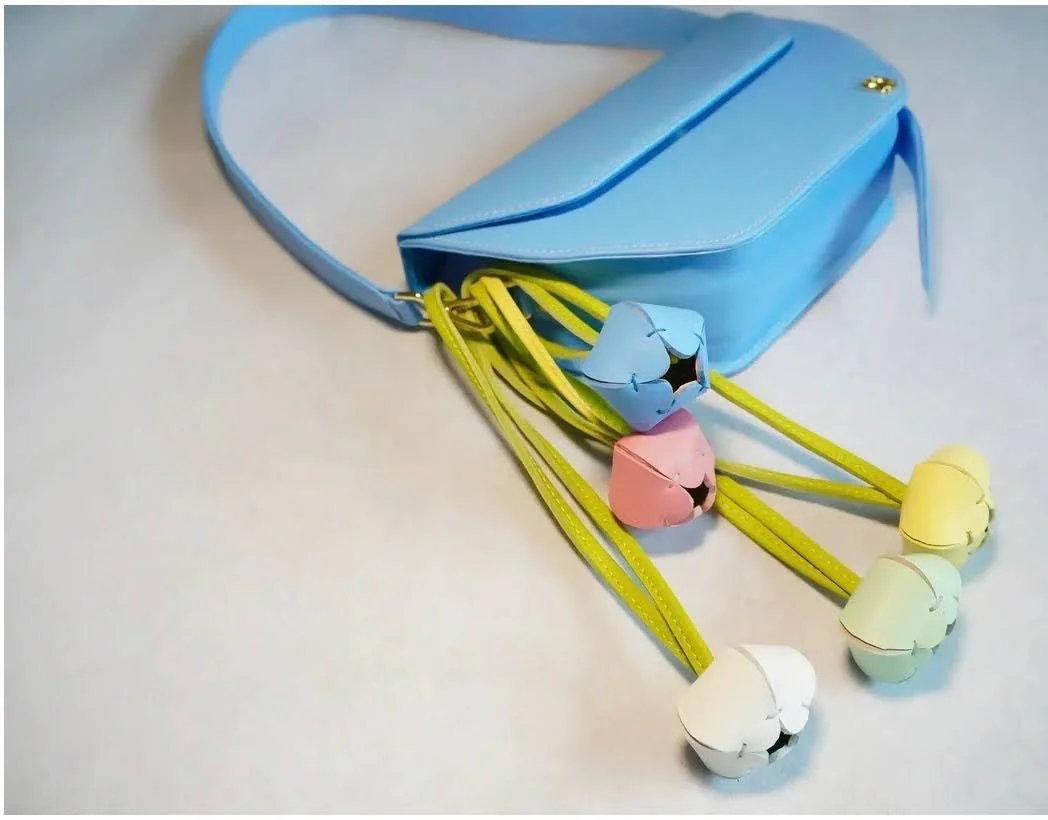
Powder Blue Raffette Bag by Anima Iris
We constantly turn to sentences that provoke comparison, unfair comparison at that.
But we don’t ask Western luxury houses to justify their prices with the same urgency. We accept that heritage, craftsmanship, and branding accumulate value over time. We understand that a bag is not just a bag. It is history, positioning, and power.
But when it comes to African brands, especially those led by women, that same logic suddenly feels negotiable.
Why?
Part of it is craft.
African fashion is deeply, undeniably handmade. Not in the romanticized, mass-produced “hand-finished” way that luxury brands often market, but in a way that is labor-intensive, time-consuming, and rooted in skill passed down across generations.
And yet, paradoxically, that level of craftsmanship is often used to argue for lower prices, not higher ones.
Because the labor is happening somewhere that’s supposedly cheap. It is also not westernized and lacks centuries of institutional validation.
So the work is seen but not fully valued.
Part of it is access.
For a long time, African fashion has been positioned as something you discover rather than invest in. Something niche, emerging, “up-and-coming.” Even when it has clearly arrived.
And “emerging” things are not supposed to be expensive. Emerging brands are supposed to be grateful. Don’t forget accessible and within reach.
There is an unspoken expectation that African brands should remain affordable as a form of humility. That they should not outgrow the audience that first found them inspiring.
But growth, real growth, requires expansion of production, of sourcing, and of distribution. It requires money. And money requires pricing that reflects reality, not perception. So what you think it should cost doesn’t come to play.
What makes a brand like Anima Iris particularly interesting is that it’s built in real time.
Founded by Wilgory Tanjong, Anima Iris produces its bags in Senegal, working closely with local artisans. It began as small, hand-produced batches and has grown into a more structured manufacturing system that still prioritizes craftsmanship while meeting global demand.
With Tanjong’s model, we can see that African brands don’t need to outsource as they grow. There’s no need to move the manufacturing closer to Western markets just to be taken seriously. Instead, she has built a system in which production remains on the continent while distribution stretches outward. Through a direct-to-consumer model, Anima Iris reaches a global audience without relying on the traditional fashion gatekeepers to validate its worth.
And then there is the politics of luxury itself.
Luxury has always been exclusionary. That is part of its design. It is not just about quality; it is about who gets to set the terms of value.
For decades, those terms have been dictated by Western fashion houses. They decide what is rare, timeless, and worth investing in.
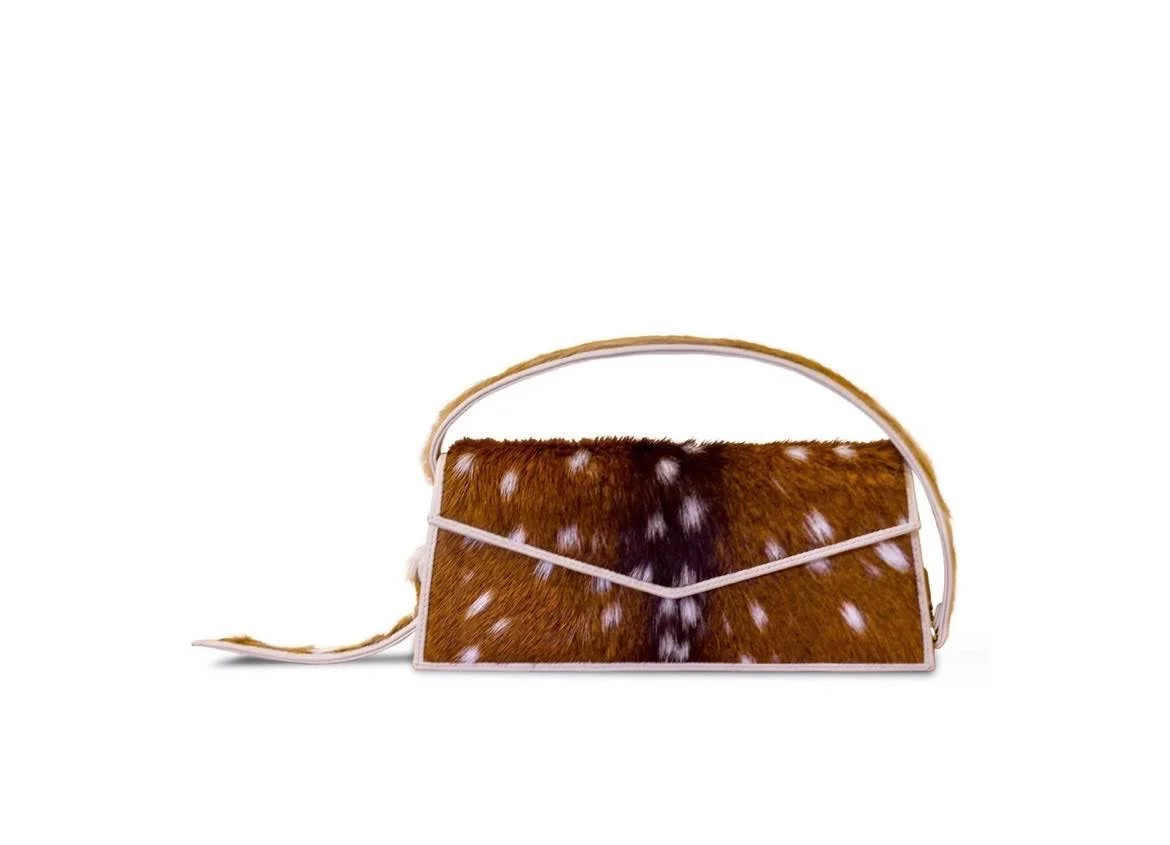
Bambi Zaya Long By Anima Iris
So when an African brand, particularly an African woman, enters that space and sets her own price point, it unsettles the hierarchy.
Because now the question is no longer “Is this beautiful?” It becomes “Do we believe this is worth it?”
I think about that first image again, the one that made me stop scrolling. I didn’t know then who made the bag, how long it took, what it cost to produce, or what it meant to price it honestly.
I only knew that I wanted it.
And maybe that’s where the conversation should begin, not with the price, but with the recognition that desire has always had a cost.
The question is whether we are willing to pay for it when the value is finally being defined by the people who created it.