Hanifa: A Brand For and By Women
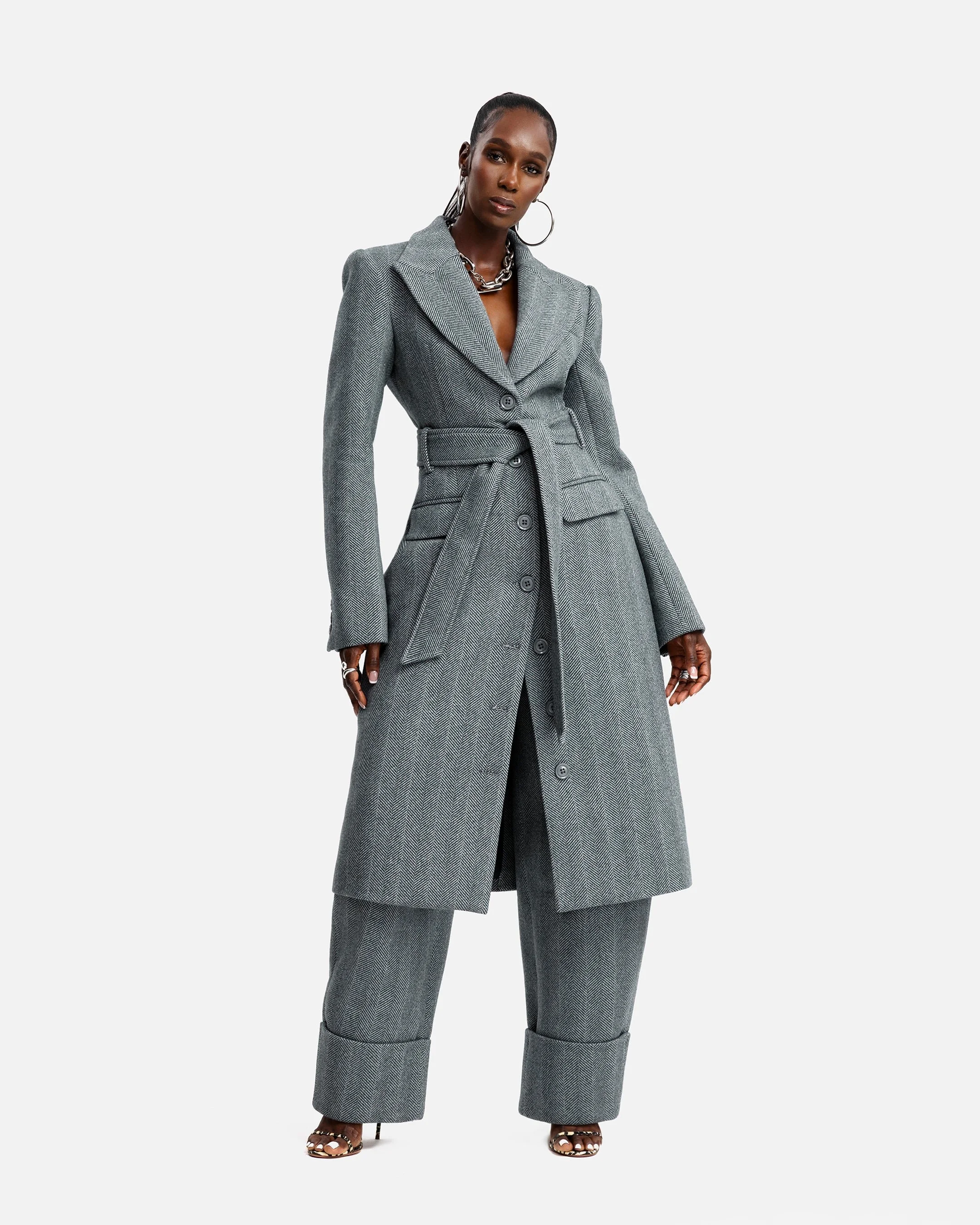
Shay Wool Coat by Hanifa
Image Source: Hanifa
As we enter Ekinken’s Month of celebrating African women in Fashion, it is crucial to discuss the women placing luxury African fashion at the center of the global conversation. When we think about Hanifa, we think of African luxury and beautifully constructed, ready-to-wear dresses that celebrate the female form.
But before we get into the brand itself, it is important to talk about the brains, brawn, and beauty behind this mastery. Anifa Mvuemba is a Congolese designer based in Baltimore who founded Hanifa in 2011. What began as a small independent label has grown into one of the most recognizable contemporary brands within the African diaspora fashion space.
This brand is well on its way to becoming a household name; however, the journey was not rosy.
In a panel discussion with SHOWstudio, Anifa shared her struggles as a self-taught designer navigating both the fashion industry and the realities of systemic bias. She spoke candidly about how Black designers often have to fight twice as hard simply to have their work stocked in major department stores. For many designers of colour, the challenge is not only about creativity but also about access, visibility, and recognition within an industry that has historically sidelined them.
Another issue highlighted during the discussion was erasure. In 2020, during the height of the global pandemic, Hanifa presented one of the most innovative fashion shows the industry had ever seen. For its “Pink Label Congo” collection, the brand debuted a fully digital runway presentation using 3D models to display the garments. The presentation quickly went viral across social media and was praised by publications such as Forbes for its creativity and forward-thinking approach to fashion presentations.
However, what should have been a moment of clear recognition quickly became an example of how easily Black innovation can be overlooked. The following day, when Prada experimented with a similar digital format, Forbes mistakenly described Prada as the first brand to stage a 3D fashion show. In effect, the narrative erased Hanifa’s pioneering moment, despite the widespread documentation of the earlier presentation.
While the correction eventually circulated among fashion audiences online, the incident highlighted a broader issue within the industry: Black designers' contributions are often celebrated in real time by audiences but inadequately credited in mainstream fashion narratives.
Looking back at Anifa’s journey and where Hanifa stands today, the growth is undeniable. The brand has evolved from an emerging label into a powerful symbol of modern African luxury. Known for its stunning designs and colours, Hanifa has built a reputation for designing clothing that centers women — not just aesthetically, but culturally and emotionally as well.
Part of Hanifa’s appeal lies in its understanding of its audience. The brand does not simply design garments; it designs confidence. From structured knit dresses to fluid evening gowns, each piece reflects an understanding of how clothing can uplift and glorify the wearer.
Equally important is the brand’s cultural positioning. Hanifa operates within the growing ecosystem of African and diaspora designers who are redefining luxury fashion on their own terms. Instead of treating African heritage as an aesthetic trend, the brand integrates cultural identity as a foundational element of its storytelling. This authenticity resonates strongly with a new generation of consumers who are increasingly interested in brands that carry both meaning and craftsmanship.
As Women’s History Month invites us to reflect on the achievements of women across industries, Hanifa stands as a reminder of what happens when vision, resilience, and creativity intersect. The brand’s rise is not simply a fashion success story; it is a testament to the power of women building spaces for themselves within industries that were not originally designed for them.
More importantly, Hanifa represents something larger than a label. It embodies the idea that when women control the narrative — from design to presentation to storytelling — fashion becomes more than clothing. It becomes a declaration of identity, innovation, and possibility.
