Fulani Braids Carry More Weight Than You Think
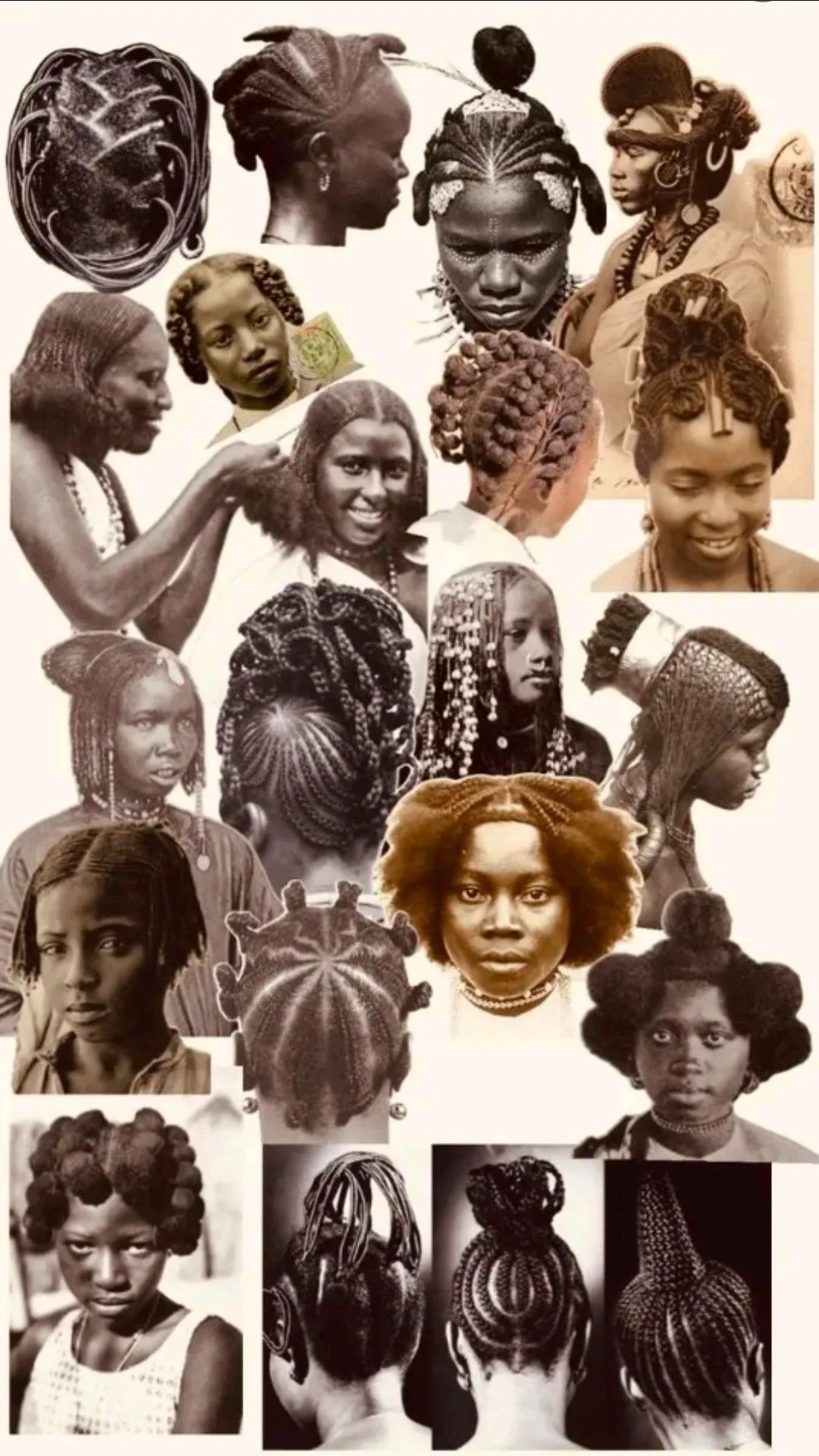
Women in different styles of Fulani braids by Charisse René
It’s almost impossible to trace the beginning of Fulani braids, just like it is impossible to trace the origin of the Fulani people.
The Fulani are one of the largest ethnic groups in the Sahel and West Africa, with a huge population spread across the continent. Their population is estimated at 55-69.2 million globally. They are also known as the Fule or Fula people.
There are speculations that they are a genetic mix of West Africans, North Africans, and Arabs. Their nomadic lifestyle, rich traditions, and distinct cultural markers, such as hair, have made them one of the most recognizable groups on the continent.
Primarily, they inhabit a variety of countries in West Africa and northern Central Africa. They can also be found in areas around the Red Sea, in South Sudan, in Darfur, and in Eritrea.
The Fulani women are known for their long hair, which they often see as a symbol of femininity and beauty, leading to Fulani braids. The hair of the Fulani women is one of their cultural markers. This is because of their outstanding hairstyle.
Fulani braids aren't necessarily what you know them to be today. Traditionally, the style involved five long braids, which were either left to hang to frame the woman's face or looped. A coiffure is then braided into the center of the woman’s head.
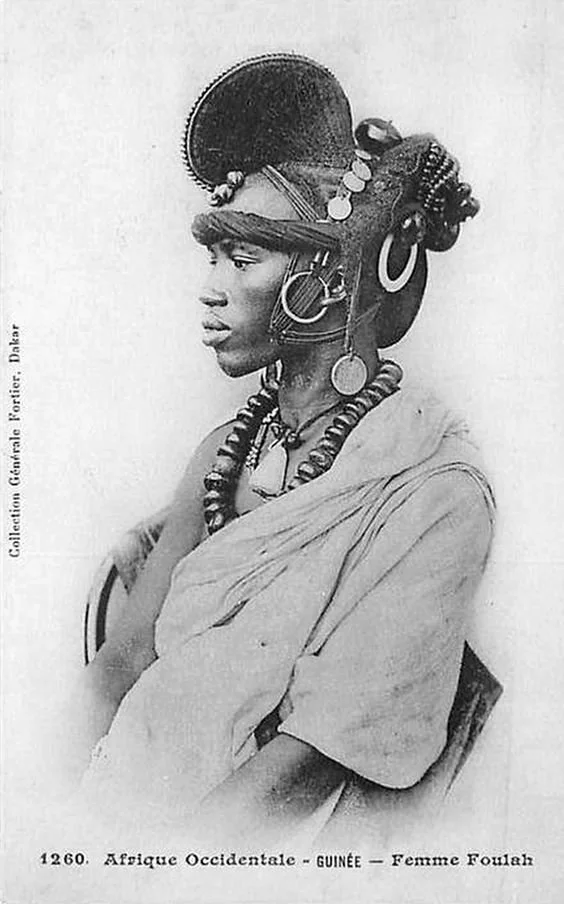
Woman in traditional Fulani braids from Sartorial Adventure
Hair decorations were made with beads, shells, threads, especially gold thread, and even family silver coins and amber for heritage purposes. One of the most popular hair decorations was veils. Braids were a way to symbolize a woman's marital status, wealth, or class.
In the 18th century, European travelers and Colonizers spoke about the Fulani people's braids. They spoke of the braids as a unique feature of the Fulani culture.
The widespread nature of Fulani braids is undeniable. But with things like this come the question of cultural appropriation or appreciation.
I believe that merely acknowledging the origin of the braids is insufficient to prevent it from being considered cultural appropriation. Cultural appropriation is about power dynamics, who benefits, and the historical oppression tied to that culture. It's about a system that rewards outsiders for what insiders are punished for.
The conversation about appropriation for me isn’t just about who gets to wear it or who doesn’t. It’s about how society values or devalues the people to whom the style belongs.
Seeing Fulani braids everywhere, as it continues to be a staple in beauty trends, is certainly nice. However, we must not forget that as we accept parts of people's culture, we must also value and respect said people for the parts that they share with us.
Appropriation is like a wound that can’t be healed with just acknowledgment and appreciation. However, we must continue in said appreciation and acknowledgment
Today, Fulani braids are certainly one of the staple hairstyles for Africans. Within our beauty space, this style continues to be experimented with, resulting in a perfect blend of traditional and modern. It reminds us that hair is never really just hair; it’s sometimes history and culture.