Behind the Seams: Careers in Fashion
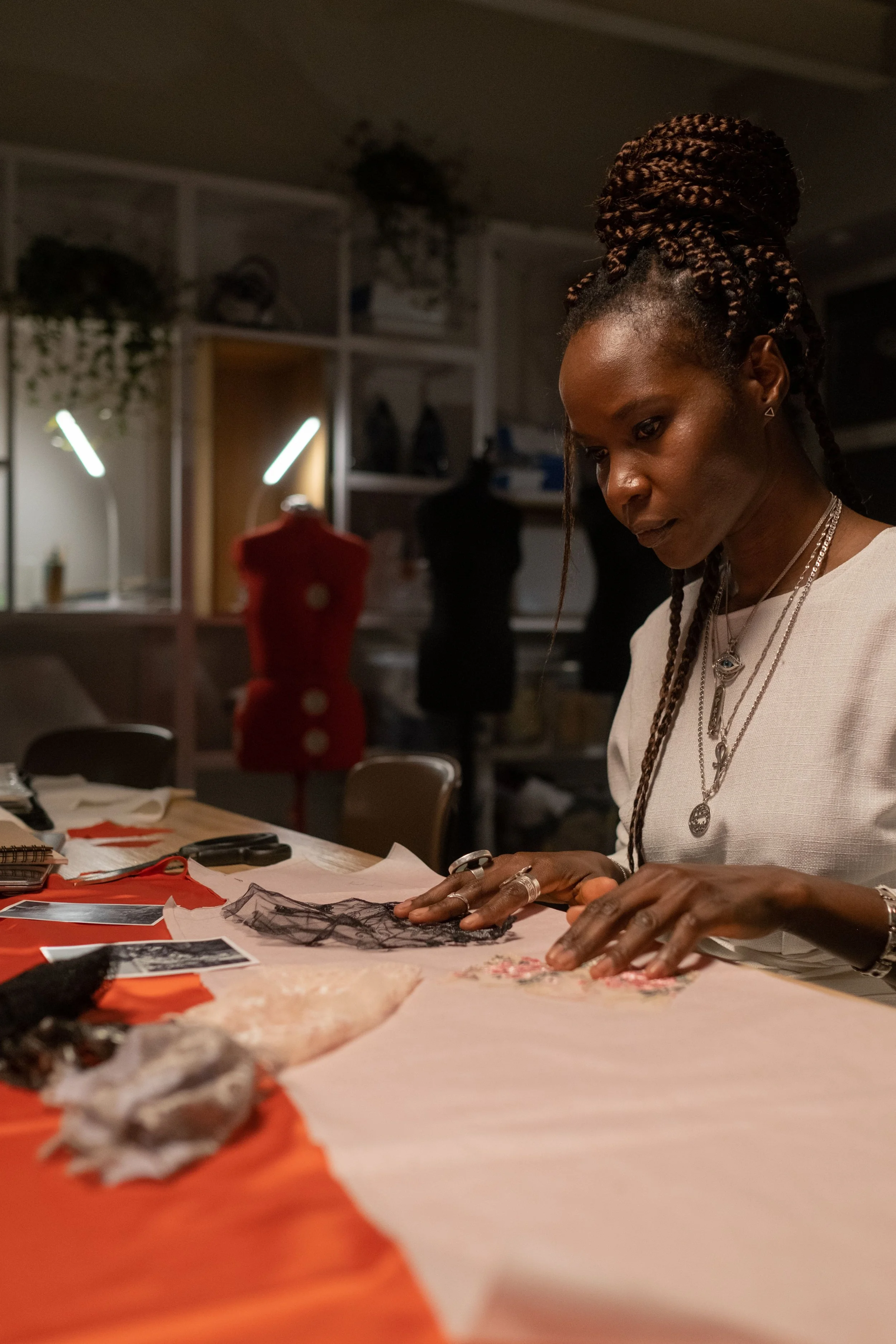
Fashion designer working on fabrics at a creative workspace photographed by Ron Lach
It would amaze anyone who’s tried to break into the fashion scene that the variety of careers the industry offers. It seems everyone limits the African fashion space to designers and stylists, but it takes a village. There’s a community of workers working tirelessly behind the scenes to bring the finished product to market. Most people aspire to break into these fields, but they aren’t widely discussed. Off the top of my head, here are some roles and their descriptions that one can apply for.
Creative assistant, put simply, the role description is in the name: you assist in the creative processes of the brand. Your responsibilities span multiple areas, including styling and visual merchandising. A creative assistant provides crucial support by handling a range of tasks that foster the brand's innovative spirit.
Creative Director, this is a role that most people are just now becoming aware of, different from the designer of the house, this person is responsible for every creative decision made in the house, they shape the brands vision into what the public perceives it to be, not to be confused with fashion designer, this role is one of the most senior-level roles and they can also do the work of fashion designer.
Technical designers are the people who bring your clothes to life. They take sketches from paper and turn them into practical, manufacturable products, while ensuring they meet quality standards.
An embroidery artisan is such a fancy name, and it suits the job too; they use machines to create intricate patterns with threads on clothing or accessories. Embroidery is one of the most delicate crafts in design, which is why embroidered pieces usually cost much more. It’s also a job that has been around for a while, and it’s not left for the average seamstress to perform. In the digital age (for those who can afford it), it has become a more straightforward task.
Textile designer: Another highly important role in the industry. These people are employed to bring a distinctive touch to designs. Of course, some brands might use textiles sourced from markets or imported, but that can lead to repetition. That's where the textile designer comes in: they’re hired to create new patterns exclusive to the brand, which play a major role in the designer's branding.
3D illustrators collaborate closely with Technical designers and occasionally with textile designers. Their work is fully digitalized, enabling them to assist designers and creative directors in bringing their ideas to life through specialized software.
If you’re looking for more information about careers in fashion, there's a coach who has dedicated her time to helping people find jobs in the industry, The Fashion Career Coach. On her page, you can find these jobs and a more detailed description of what you can do with the knowledge you have. Don't let your ideas just waste away when many brands are looking for fresh proposals, or maybe you’re meant to start a brand on your own, and these are some of the people you would need to hire. Either way, there’s more behind the seams than meets the eye.