Why The African Fashion Industry Needs Fewer Shows and More Strategy
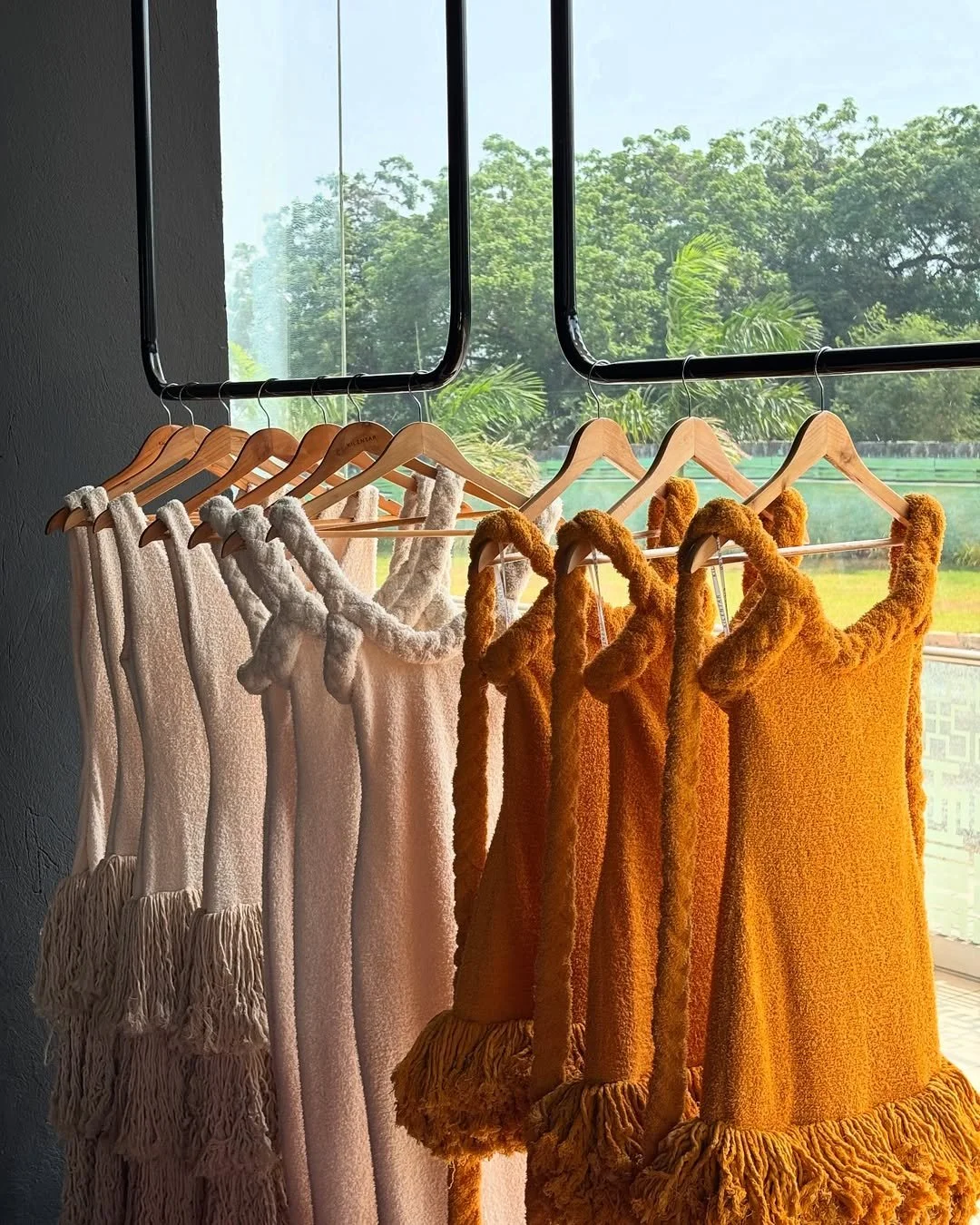
Clothes on a rack at KÍLÉNTÀR’s pop-up in Accra photographed by Michelle Adepoju
Across Africa, fashion weeks and runway events have become cultural milestones. They are a celebration of creativity, style, and craftsmanship. Yet, as dazzling as these spectacles are, they often fade once the lights go off. The energy, the designs, and even the buzz rarely translate into long-term visibility or consistent sales for the designers involved. The truth is, the African fashion industry doesn’t need more shows; it needs more strategy. And that’s where pop-ups and immersive fashion experiences come in.
Beyond the Runway: Fashion That Travels
The runway has its place; it introduces collections, drives media attention, and solidifies a brand’s identity. But once the applause ends, what happens next? Many designers return home without clear follow-up plans for customer engagement, brand exposure, or distribution.
Pop-ups bridge this gap. They transform fashion from a moment into an experience. Whether in a high-end mall in Lagos, a boutique space in Accra, or a curated cultural festival in Nairobi, pop-ups bring fashion closer to people. They allow shoppers to see, touch, and buy directly from the brand. It’s not just about the clothes; it’s about accessibility and connection.
When done right, pop-ups become moving galleries of African creativity. Traveling from city to city, country to country, gives brands the visibility that a single fashion show simply can’t offer.
The Business of Visibility
Runway shows tend to cater to a select few: media, buyers, influencers, and VIP guests. Pop-ups, on the other hand, democratize fashion. They give the everyday consumer, who is usually the actual buyer, a front-row seat. In doing so, they create brand loyalty, generate direct sales, and provide instant feedback on designs, fits, and preferences.
For young or emerging designers, this model is especially powerful. Pop-ups are far less costly to organize compared to full-scale fashion shows and can be tailored to target specific audiences. Imagine a designer from Senegal hosting a weekend pop-up in Abidjan or Nairobi, creating cross-cultural exposure and a new customer base without the need for large-scale production.
In short, pop-ups turn visibility into viability.
Cultural Connection, Not Just Commerce
African fashion isn’t just about clothing. Pop-ups allow brands to weave a one-of-a-kind shopping experience. Through curated decor, music, and art, designers can immerse customers in their brand universe.
Take, for instance, how South African or Nigerian designers could host pop-ups that showcase not only their latest collections but also the artisans behind the pieces, like the tailors, dyers, and beaders. By spotlighting these processes, fashion becomes more than just a product; it becomes an experience.
Why Less Can Mean More
African fashion weeks are plentiful; from Lagos to Dakar, Accra to Johannesburg yet their rapid multiplication has led to oversaturation. The calendar is packed, but the outcomes often lack depth. Designers spend more time preparing for shows than building long-term retail strategies, collaborations, or production pipelines.
Fewer shows and more intentional experiences could shift the industry’s focus toward sustainability and profitability. What if every fashion week partnered with retail outlets to host pop-ups right after the event? What if designers collaborated on regional roadshows instead of competing for limited runway slots? The result would be a more cohesive and commercially sustainable industry.
A Call for Strategy, Not Spectacle
The future of African fashion lies in being seen and being sold. Pop-ups are not a downgrade from the runway; they are its evolution, one that aligns creativity with commerce. They bring African fashion into real spaces where real people live, shop, and connect.
If the goal is to build lasting brands and global recognition, then fashion must move beyond one-night glitz and into long-term engagement. The lights may go off after a show, but with the right strategy, the spotlight never has to fade.
In the end, Africa doesn’t need more runways; it needs more roadshows. More pop-ups. More strategy. That’s how fashion stops being a moment and becomes a movement.