The Blueprint for Building a Lasting Fashion Brand
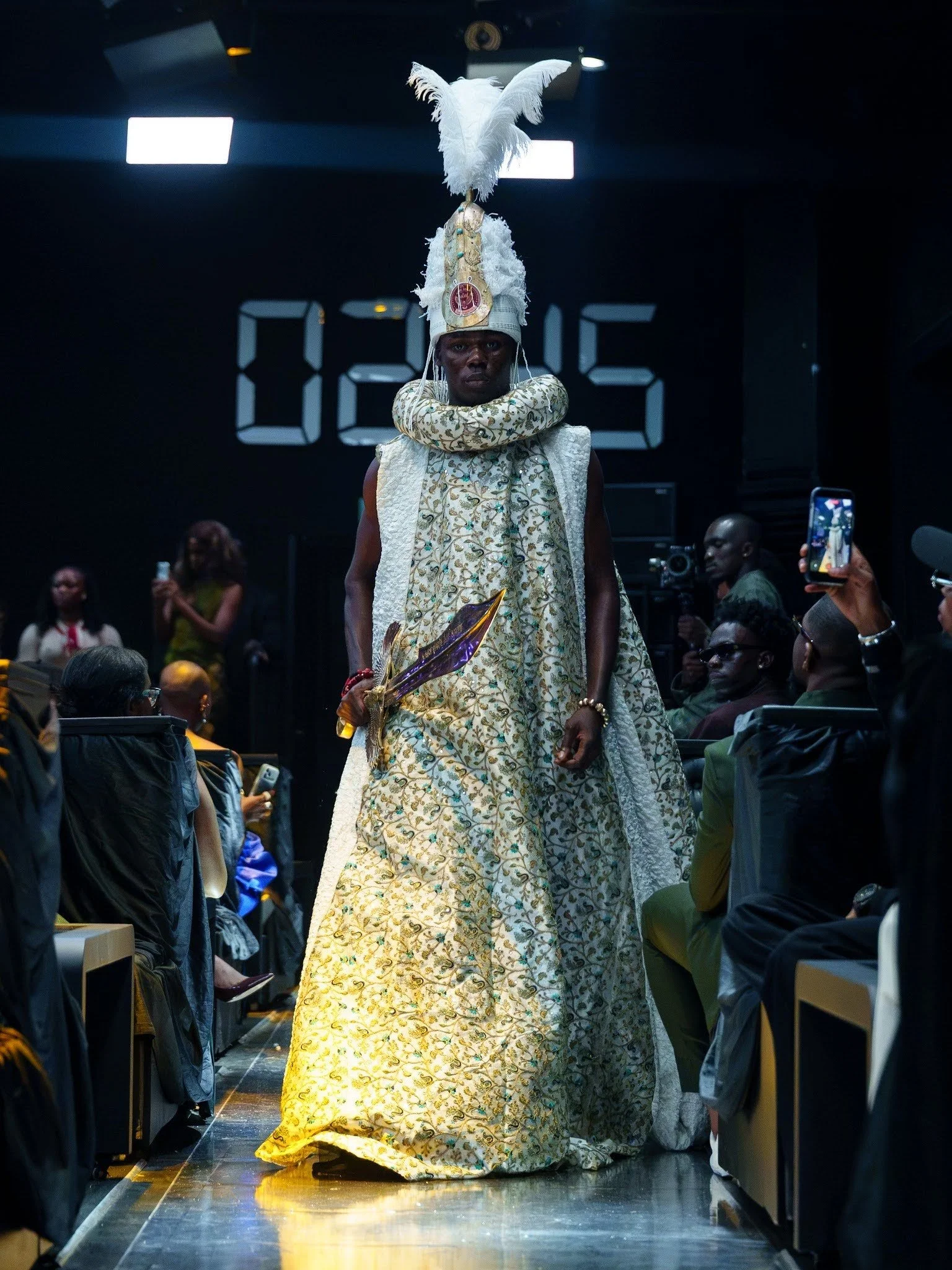
Model for Lai Labode on VVS runway.
Photograph courtesy of VVS
There has never been a more exciting time to build an African fashion brand. We have our designers commanding attention on international runways, and the global audience is paying even closer attention to the continent’s creativity than ever before.
While this is exciting news for those looking to build a global fashion brand, creativity alone does not build brands that last.
At the VVS Future Labs 2026, a fireside chat was held with Aare Lai Labode of the Lai Labode brand. The topic was “Building Enduring Brands: The Future of the Nigerian Fashion Industry”. The main message of this chat was that the future belongs not simply to the most talented designers, but to the founders who understand that fashion is as much about systems as it is about style.
A beautiful collection may capture attention, but to build a lasting brand you need strategy. A brand is more than a label, and while many designers describe themselves as brand owners, there is an important distinction between having a label and building a brand.
A label creates products; however, a brand creates recognition, trust, and long-term commercial value.
Lai Labode illustrated this by comparing the scale of Nigeria's biggest fashion businesses with global luxury houses. He argued that what some international brands generate in a single day is what many successful local businesses produce in an entire year. The comparison wasn't intended to diminish African creativity. Instead, it highlighted the difference that infrastructure, distribution, and decades of deliberate brand-building can make.
For many African founders, the challenge is no longer proving that they can design beautiful clothes. It is building businesses that can consistently produce, sell and grow those designs over time.
Africa has no shortage of creative talent. From handwoven textiles and artisan craftsmanship to clothes rooted in local culture, creativity really is everywhere. But that alone is not enough.
Throughout the discussion, Labode returned to a recurring question: Can this product be repeated, scaled, and sold consistently?
A beautiful design may earn admiration once, but for a sustainable business, your customers need to be able to buy it again. So it’s important to think about whether production can keep up with demand and if the market is large enough to support growth.
As fashion founders, you cannot simply tell compelling stories, but you must learn how to turn those stories into revenue. This means researching markets, understanding customers, pricing strategically, and thinking beyond the next collection.
Build a signature, not just a collection. One of the strongest examples discussed was designer Kenneth Ize's approach to Aṣọ òkè.
Rather than attempting to own a traditional textile that belongs to a wider culture, he developed a distinctive interpretation of it. Through original colour palettes, recognisable weaving techniques and a unique creative process, he built an aesthetic that became immediately identifiable as his own. This offers an important lesson for emerging designers.
Longevity rarely comes from chasing trends or producing something entirely different every season. It comes from developing a point of view that customers recognise instantly.
But most importantly, you have to protect what makes you different. In fashion, inspiration travels quickly. Unfortunately, so do copies.
Lai Labode stressed that intellectual property is often overlooked by emerging designers, despite being one of the foundations of long-term value. Protecting a brand extends beyond registering a logo. It includes trademarks, signature design elements, proprietary production methods and the processes that make a product difficult to replicate.
This becomes especially important when seeking investment. Investors are often attracted to businesses with defensible assets, so things competitors cannot easily copy. Without that protection, even the most innovative designs risk becoming commodities.
The discussion also acknowledged one of the industry's biggest challenges. While many African designers produce exceptional work, inconsistent manufacturing and finishing can undermine that brilliant work. Quality is not simply about aesthetics; it is also about consistency.
A customer who falls in love with one beautifully made outfit expects the next purchase to meet the same standard. Lasting brands understand that reliability is as important as creativity.
Another recurring theme was ambition. Labode encouraged founders to stop viewing Nigeria or even Africa as the limit of their market. African fashion already possesses one of the qualities global consumers increasingly seek: authentic cultural identity.
Designers draw on centuries-old craftsmanship, local textiles, and indigenous techniques that cannot easily be replicated elsewhere.
The challenge is ensuring those stories reach international audiences through the right channels, protected by the right legal structures and supported by distribution systems capable of serving customers beyond domestic markets.
Culture may create interest, but structure converts that interest into sustainable business. Deliberateness is the difference. Perhaps the most memorable word repeated throughout the conversation was "deliberateness."
Deliberate research, deliberate branding, deliberate investment, deliberate quality, and deliberate growth.
Too often, emerging founders believe success is primarily about finding the next viral design. Yet the businesses that survive for decades are usually built through hundreds of intentional decisions made long before they become popular.
Fashion has always celebrated creativity. But creativity is only the beginning. The brands that will define the next decade of African fashion are unlikely to be those with the loudest launches or the biggest social media moments. They will be the ones that invest in systems, protect their ideas, refine their identity, and build businesses capable of growing beyond their founders.
Because in fashion, lasting relevance is never accidental. It is designed.