On Clothes and Self-Esteem
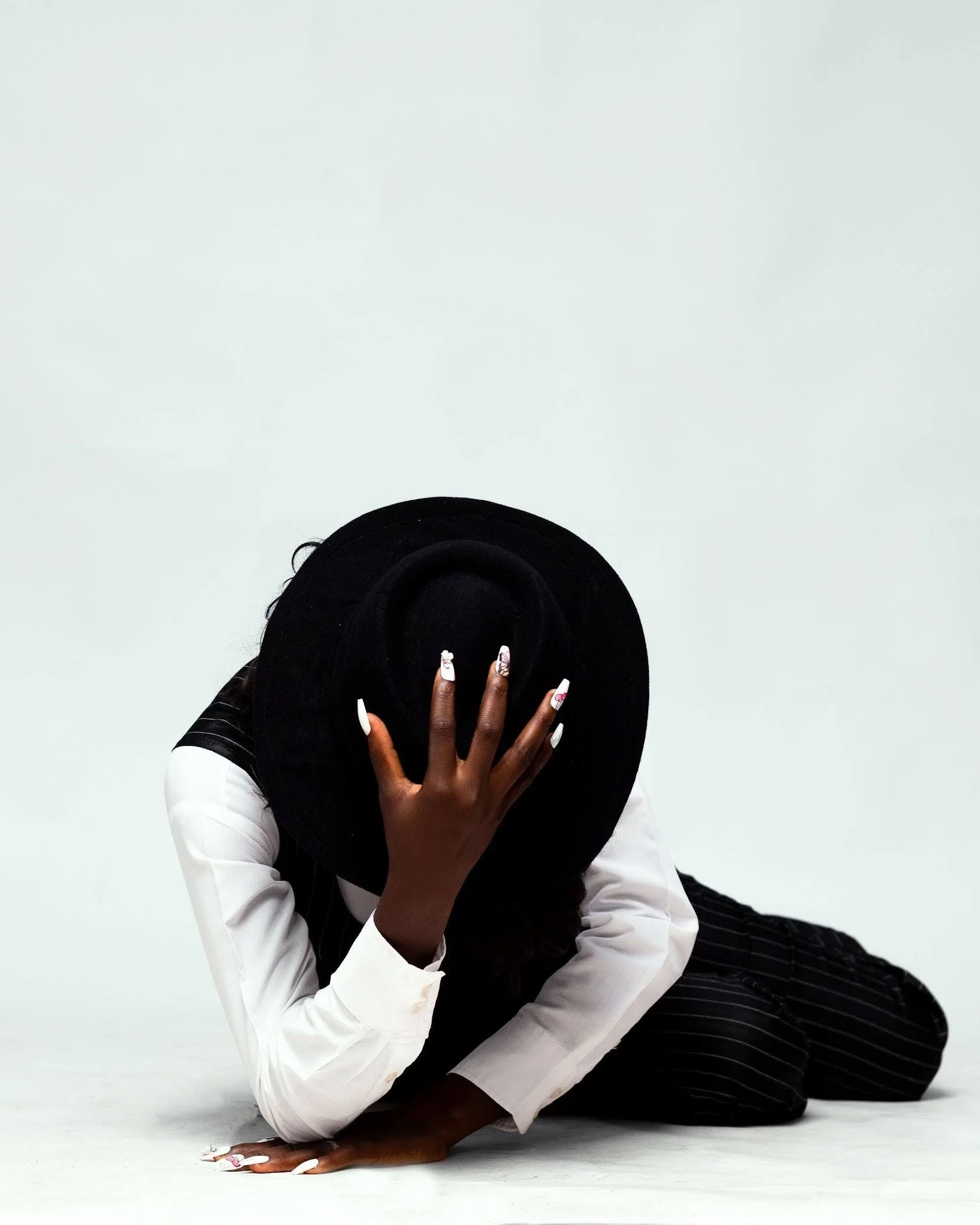
Lady in black and white conveying mystery by Olukoya Israel Ayomikun
It’s easy to dismiss fashion as something superficial. It’s just fabric, colour, and outfit. Nothing serious or deep.
But fashion is far beyond that. Clothes affect how we see ourselves, how we move through the world, and how others receive us. For many people, clothing isn’t just an aesthetic choice. Through what we wear, we express values, identity, ambition, and sometimes even the version of ourselves we hope to grow into.
Clothes are the first interface between our inner selves and the outside world. When you wear something that fits well, feels good, and aligns with your personal style, there’s an immediate shift. You stand taller. You walk differently. You feel like you can handle whatever the day brings. It isn’t vanity. It’s the feeling of being prepared, capable, and fully present. Clothes can also help us access a version of ourselves we haven’t fully grown into yet.
Clothing is also a form of protection. Not just from the weather, but from judgment, insecurity, and the internal noise that comes with being human. The process of choosing what to wear becomes a way of reclaiming control. It’s a reminder that you can decide how you’ll show up, even when the rest of life feels unpredictable.
Clothes are also one of the earliest psychological languages we learn. From childhood, many of us were praised for “dressing well” or for fitting into certain expectations. Over time, we internalise the idea that appearance and acceptance go hand in hand.
Clothing then becomes a tool that we use to fit in or rebel, to stand out or blend in, to make ourselves seen or protect ourselves from being seen too clearly. Hence, fashion is seen as a series of calculated choices, especially in important social moments, because we know clothes shape the impressions others form of us.
There’s also a shift when people dress in ways that flatter their bodies rather than hide them. Movements around body acceptance and body neutrality have pushed more people toward clothing that feels good rather than clothing chosen out of insecurity. Even something as simple as liking the way you look in the mirror has a bigger emotional impact than we give credit for.
And there is real beauty in discovering what feels authentic to you. For some, it’s androgynous silhouettes. For others, bold prints, vintage textures, minimalist basics, or dramatic tailoring. When you finally land on a style that feels like you, something shifts. You gain a sense of ownership over your appearance, which strengthens your confidence and makes you less vulnerable to external pressure. You start dressing for yourself, not for approval.
But like anything tied to self-image, balance matters. It’s possible to become too attached to appearance, relying on style alone to feel worthy. Fashion should support self-esteem, not become its entire foundation.
At its core, the link between clothes and confidence is simple: when you choose outfits that reflect who you are or who you’re becoming, you reinforce your sense of identity. Fashion may begin with fabric, but its power lies in the person wearing it. It isn’t just about looking good; it’s about feeling grounded, seen, and secure in your own skin.