What Makes a Garment Timeless? African Designers Have Their Own Answer
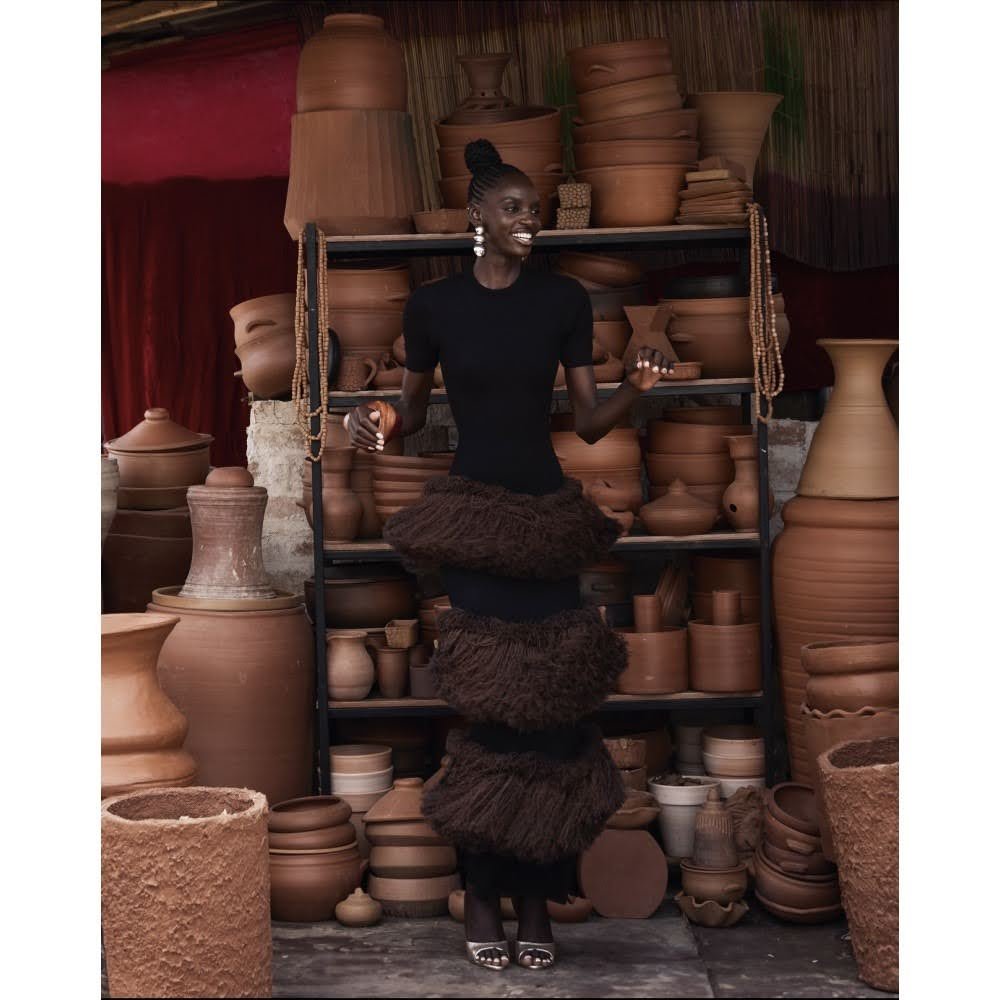
Image sourced from Hertunba
“Timeless”
There are few words in fashion as frequently used or loosely defined as timeless.
Every brand wants to create a timeless collection. Stylists encourage us to invest in timeless wardrobe staples. Luxury houses promise investment pieces that will outlast trends and earn a permanent place in our wardrobes.
But what actually makes an outfit timeless? What gives it the staying power to outlive changing seasons, aesthetics, and trends?
Some garments earn the label because of the fabrics they're made from. Silk, cashmere, leather, and quality cotton are often associated with longevity because they age beautifully when cared for properly. For others, timelessness lies in the craftsmanship. It is the meticulous tailoring, hand embroidery, beadwork, or weaving techniques that take a garment from just clothing into something worth keeping.
And then there are pieces that simply feel timeless, even if it's difficult to explain why.
A linen maxi is considered timeless. So is the little black dress and the silk slip. But these examples are rooted in a largely Western understanding of timeless style. Fashion, however, exists far beyond Paris, Milan, London, and New York. If we're going to have a conversation about timelessness, then it's worth looking beyond the fashion capitals that have long shaped what "classic" dressing is supposed to look like.
Across Africa, designers have spent decades creating garments rooted in craftsmanship, heritage, and intentional design. Their work suggests that longevity doesn't require neutrality or minimalism. Instead, timelessness can exist in bold textiles, intricate handwork, cultural storytelling, and silhouettes designed with care.
Of course, timelessness is ultimately subjective. What one person considers an investment piece, another may see as trend-driven. But for this conversation, I'm looking at garments through four qualities that, in my view, give clothing the best chance of standing the test of time: silhouette, craftsmanship, quality materials, and personality.
Through that lens, these African designers offer a compelling answer to what timeless dressing can look like.
Silhouette (The Aria Dress by Diarrablu)
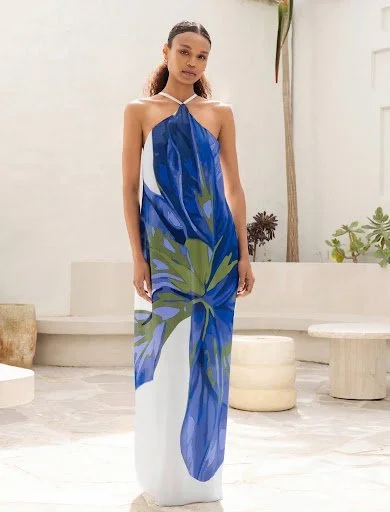
Image Source by Diarrablu
An outfit lives or dies by its silhouette. The shapes that transcend time rely on balance, proportion, and movement. These qualities feel relevant regardless of what dominates the runway that season.
The Aria Dress by Diarrablu embodies this idea. Its floor-length halter silhouette frames the shoulders with a clean neckline before falling into a fluid shape that skims the body without clinging.
The Sira print material, inspired by the hibiscus flower, captures its natural movement as its petals unfold, creating a motif that feels connected to nature rather than a fleeting trend.
Craftsmanship (Maxi Fetty Dress by Lisa Folawiyo)
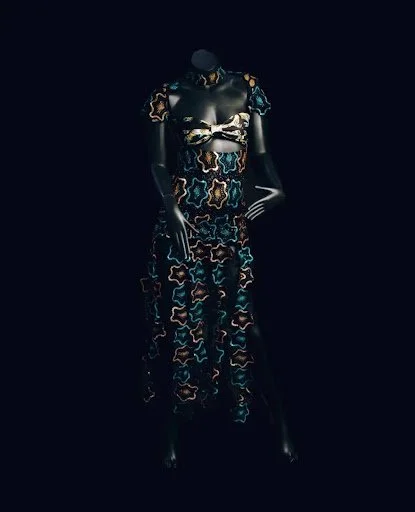
Maxi Fetty Dress by Lisa Folawiyo
Image Sourced from Lisa Folawiyo
On paper, the Maxi Fetty Dress by Lisa Folawiyo doesn't immediately fit fashion's conventional definition of timeless. It features an off-the-shoulder silhouette, lattice crochet overlay, intricate hand-beaded appliqué, and an asymmetric cascading hem.
It is unmistakably expressive, but its longevity lies in the way it is made.
It is made from cotton lace and requires 672 hours of hand embellishment. This dress is the perfect reflection of slow fashion philosophy. According to this philosophy, garments are works of craftsmanship rather than products designed to satisfy a season.
It’s difficult to reproduce the value of skilled hands, time, and technique. Years from now, trends will inevitably become outdated, but exceptional craftsmanship rarely does.
Quality Material (Kwasi Paul's Gallery Blazer)
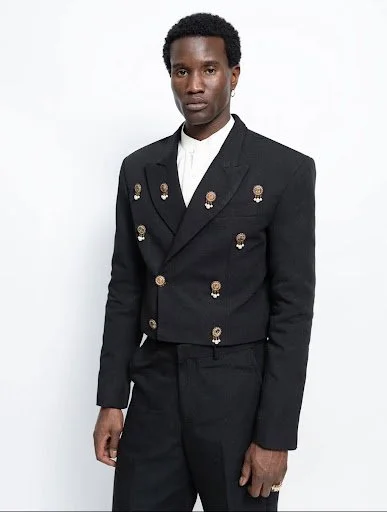
Image sourced from Kwasi Paul
Quality Materials preserve a garment's appearance and preserve the experience of wearing it. Kwasi Paul's Gallery Blazer is crafted from handwoven fugu cotton produced on traditional looms in Ghana. The textile itself carries subtle variations impossible to replicate through mass production.
The blazer also features brass buttons inspired by the founder's family lineage, which helps transform the blazer into something that feels deeply personal.
When designers begin with exceptional materials, they're designing for years rather than seasons.
Personality (GOGO Dress by Hertunba)
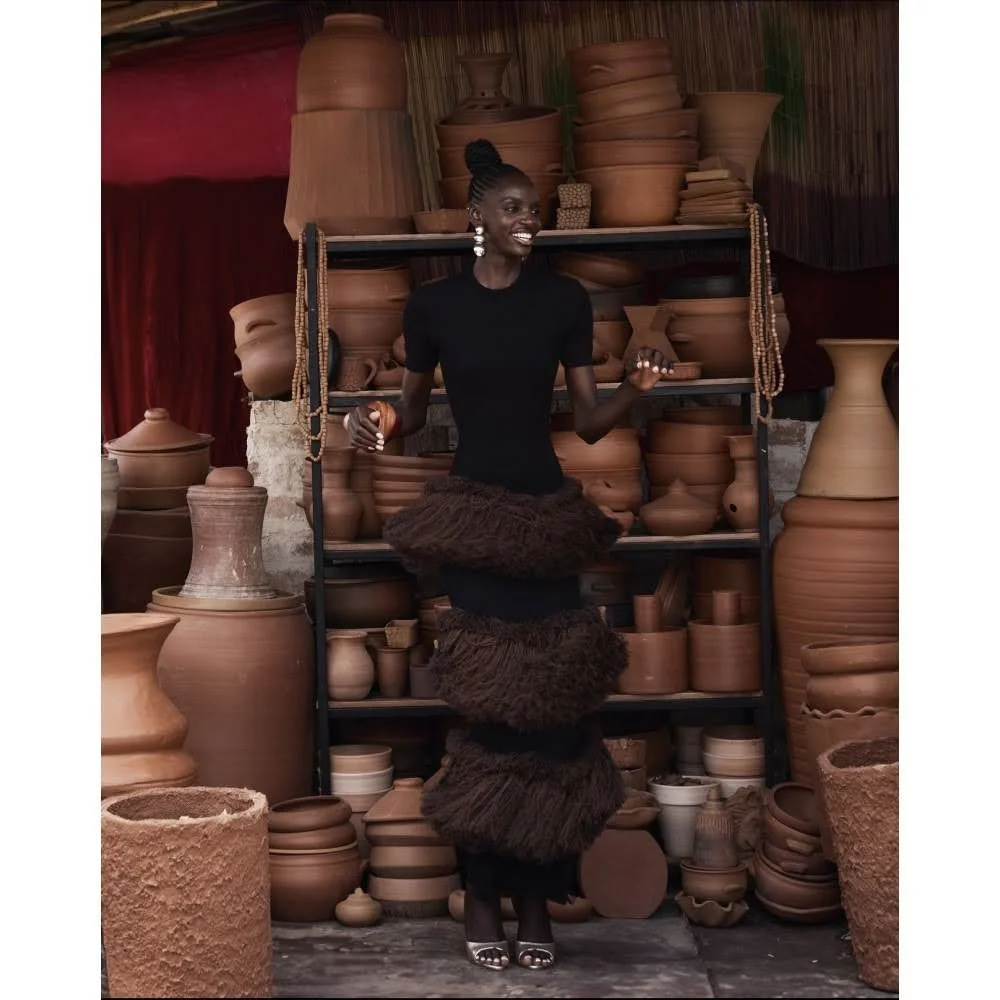
Image sourced from Hertunba
The biggest misconception surrounding timeless fashion is that personality must be sacrificed in the pursuit of longevity.
History suggests otherwise. Many of fashion's timeless garments were once radical. The wrap dress challenged ideas of women's workwear. The little black dress transformed a color once associated with mourning into a symbol of modern elegance. Even the slip dress began as lingerie before becoming a wardrobe staple.
Contemporary African designers understand this well. Rather than removing the character from garments in the name of longevity, many lean into craftsmanship, cultural references, and artisanal techniques. So personality and permanence are not opposing forces.
The GOGO Dress by Hertunba is a great example.
At first glance, its elegance lies in its fluid black silhouette, but a closer look reveals the craftsmanship that gives the piece its identity. Three layers of hand-threading create texture and movement across the garment, making it eye-catching.
The hand-threading speaks to the time, precision, and skill invested in its creation, giving it qualities that outlive seasonal aesthetics. The result is a dress with a distinct point of view. It’s expressive without being overwhelming, modern without feeling tethered to a particular moment in fashion.
Its personality makes it timeless.
Overall, there is no universal formula for timelessness. Some garments earn it through great tailoring. Others, through quality materials, great craftsmanship, silhouettes, and so on.
The designers behind these garments are creating quality pieces that trends cannot easily replace. They’re using skilled craftsmanship, quality materials, cultural memory, and thoughtful design.
Timeless pieces are those designed to matter long after the excitement of newness.