The Danger of Wearing a Skirt
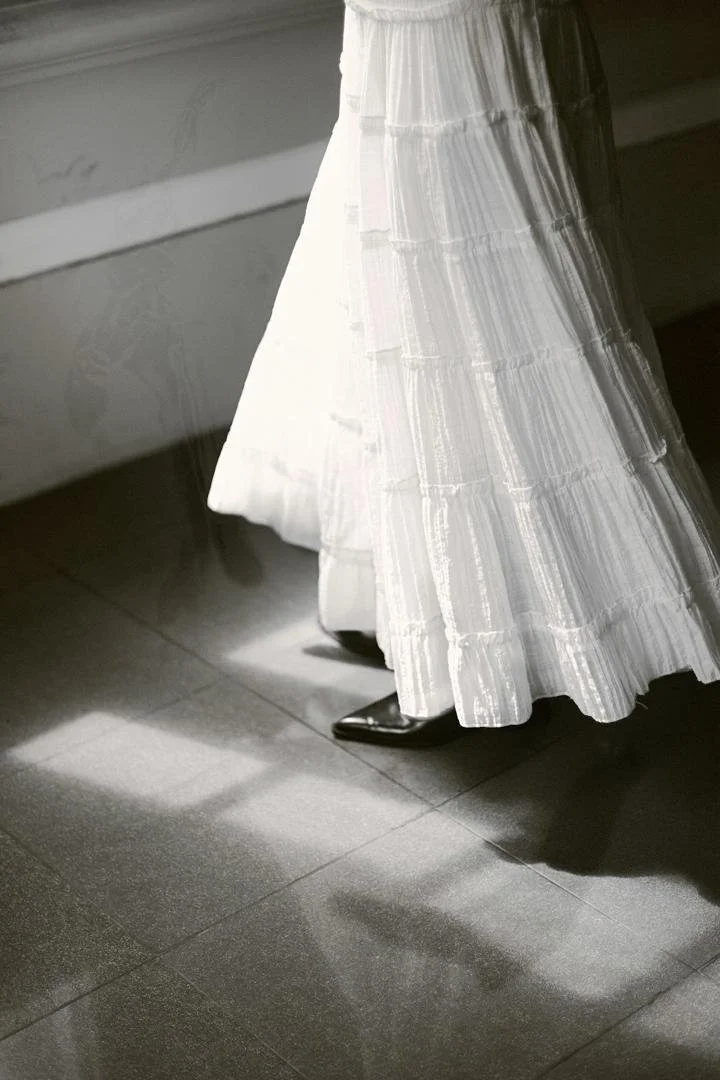
A white skirt photographed by Phuong Nguyen (Unsplash)
One Saturday, I was searching for something to wear when I picked up a skirt I really liked. It sat nicely on my waist, stopped just above my knee, and I knew that was exactly what I wanted to wear. I stepped into the living room, and my dad immediately shouted, “Go and pull that skirt.”
I stared at him, confused by the rage directed at a skirt. I asked what was wrong with it, and till today the only answer I’ve ever received, both from him and countless others, is, “It’s not appropriate.”
From the age of ten till now, I’ve heard that phrase in different versions. An ex once sat behind me on a bike and admitted he didn’t understand how I walked around in my skirts so comfortably, and “nothing happened,” so maybe they were fine. That same ex later listed my dressing as one of the reasons I wasn’t the right partner.
But that’s the softer part of the story.
I’ve dealt with my share of harassment. The random bike man who reached out and grabbed my breasts as I walked down the street. The older neighbour who forcefully kissed me after calling me back “to tell me something.” Or the so-called “robber” who stood at my window for over five hours one night, moaning and doing all sorts of things. An ordeal, a family member later insisted I had “invited” with my dressing.
From childhood till this moment, my clothing and that of many other women has been policed in the name of “preventing harassment.” It’s always “don’t wear this so you won’t be harassed, never. “Men should stop harassing women.
I’m writing this with a reignited anger after watching a bucket of water being dumped over a woman because of her outfit. By a man, ironically, wearing dreads and sagging jeans, the same kind of profile SARS targeted, and we all protested against. Yet this self-righteous man felt entitled to assault a woman for what she wore. What made it worse was the silent crowd, stepping in only when she finally challenged him.
It’s common for women to be harassed in public while everyone looks away. Because in this society, speaking up against your harasser might make bystanders suddenly defend him. In fact, you may end up being harassed by even more people.
There is no logic behind any of this, just the belief that women must dress “decently” so as not to tempt men. You’d think that in a highly religious country like Nigeria, men would at least know how to “flee temptation.”
Speaking of religion, the policing continues in the church. Pastors warn women to stop dressing in ways that may “lead men astray.” Quite pathetic, considering how easily they claim to be swayed when the same Bible talks about plucking out your own eye if it causes you to sin. I wish they’d stick to that scripture with the same energy.
To be a woman is to constantly be reminded that you are somehow responsible for the harm done to you. Nobody tells a robbery victim they shouldn’t have been driving a nice car. But a woman who is assaulted will be asked what she was wearing, as though clothing now serves as an invitation to violence.
The irony?
Even babies aren’t spared. Even a six-month-old girl can be assaulted. There is danger in wearing a skirt the minute you are born and even after death, since women’s bodies aren’t always safe then either. It’s saddening, terrifying, and horrific.
There are no tips for avoiding harassment here, no fashion advice, heaven forbid I police anyone’s clothing. The point is this: we must refuse the blame placed on women who have been assaulted. The shame is not ours to carry. We must be safe spaces for the girls and women around us, never making them feel like clothing could have prevented what happened to them. Even for young girls, we must not dim their shine by trying to mold them into something “safe,” because assault happens only because assaulters exist.
Most importantly, we must report these cases when we can, and we must never create safe spaces for men who harass or assault others.