Dopamine Dressing In Africa: Trend or Tradition
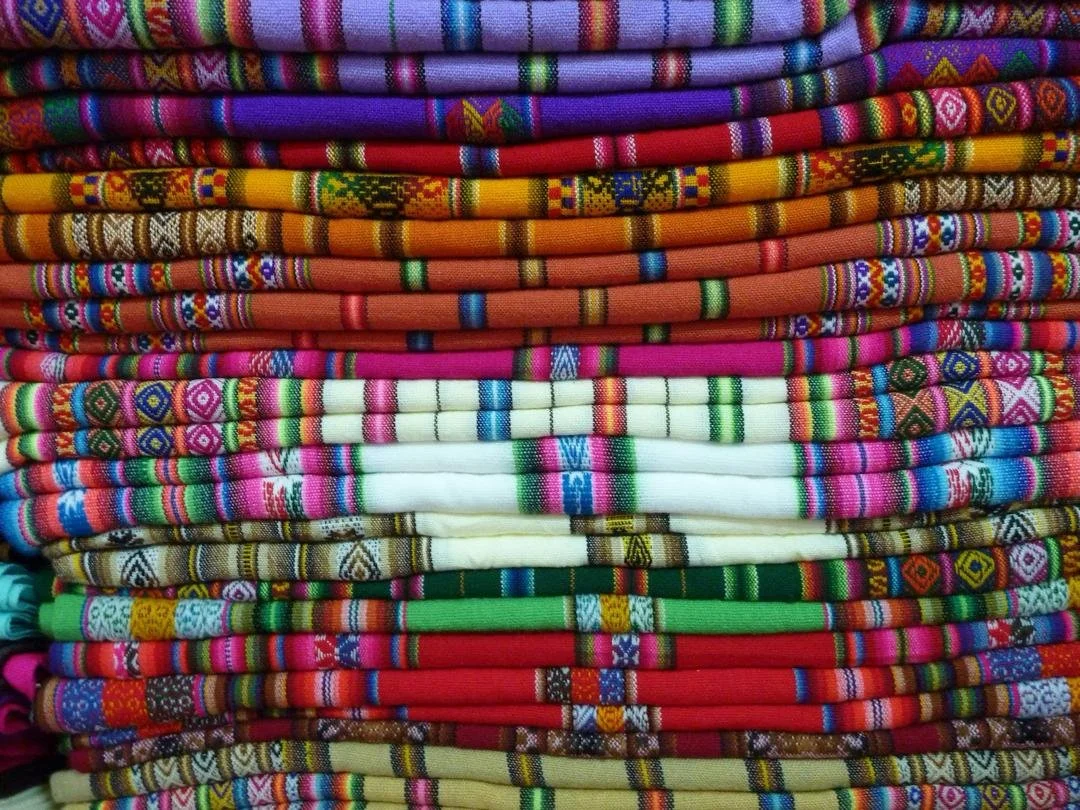
African fabrics photographed by Chris Bai
Dopamine is popularly known as the “feel-good” hormone. It acts on parts of your brain to give you the feelings of pleasure and satisfaction, as well as the motivation to do something, so it's part of your reward system. Hence, dopamine dressing is wearing clothes in bold colors and playful patterns so you feel good.
After the pandemic, it became a thing in fashion. People began rallying to dress for joy, and it even influenced the runway. But in Africa, where bold colors and playful patterns are the norm, is this a discovery for us or simply just a new name for our usual norm?
Globally, dopamine dressing is looked at as a form of self-care. The concept comes from the psychological idea that what we wear can significantly impact our mood and emotions. It emphasizes wearing what makes you feel good rather than what’s popular. One of the main parts of dopamine dressing is choosing a bright color, so it’s essentially a rebellion against beige minimalism.
In Africa, our fashion has always been infused with colors, patterns, and joy. To the extent that deviation from this is frowned upon. Think of the Kente cloth in Ghana and its colors. In Nigeria, Ankara prints come in so many vibrant colors that would make any “dopamine dresser” nod in approval. So we’ve got dopamine dressing covered, and we’re great at it. So, where does that leave dopamine dressing in Africa? Like we already do it, so what’s new?
Historically, African dressing has been more than aesthetics. It has been a language of joy, pride, and sometimes, rebellion. In the early 20th century, Black Dandyism emerged in places like Harlem, where Black men and women used fashion as a form of self-expression and defiance against stereotypes. Their sharp suits in bright colors were their way of declaring dignity and pleasure in being seen. Across the Atlantic, in Congo, La Sape emerged from similar sentiments. Congolese “Sapeurs” turned dressing up into an art form. They used vibrant suits and bold accessories to reclaim identity and joy amid postcolonial challenges.
Both movements showed that fashion could be a form of emotional resistance. It’s a way to dress for self-worth, pride, and happiness long before dopamine dressing became a buzzword.
When magazines in New York or London talk about the joy in color, it’s something new. But when it happens in Africa, it's normal. We do this every day, so it’s not a new phenomenon; it’s, in fact, our regular life. Maybe the world is just catching up to what our ancestors already practiced.
Perhaps the focus isn’t whether we did it first or whether the West branded it better. The real focus is that clothes and colors have the ability to make you feel good. They lift spirits at weddings, brighten the mood at festivals, and add a certain level of individuality on the streets. And now, global fashion has given it the name “dopamine dressing”.
In the end, dopamine dressing might not be a trend in Africa. It is simply just a reminder that joy has always been wearable, and we have been dressing for joy before it became a movement.
So the next time you pick an outfit, make it as intentional as possible. Choose what makes you feel good and colors that lift your mood. Let your outfit choice be a celebration of your individuality and style. Don’t forget to add accessories to elevate your look. Go on then and show up as your authentic self in your beautiful attire.