The Rise of African Fashion Cities: What Accra, Lagos, Nairobi, and Johannesburg Are Getting Right
Conversations surrounding African fashion are international, but we must highlight the cities driving them—Lagos, Johannesburg, Nairobi, and Kenya. These are among the largest and most bustling metropolitan cities in Africa.
Each of these cities is well known for certain things, which have helped build a blossoming fashion ecosystem.
Lagos
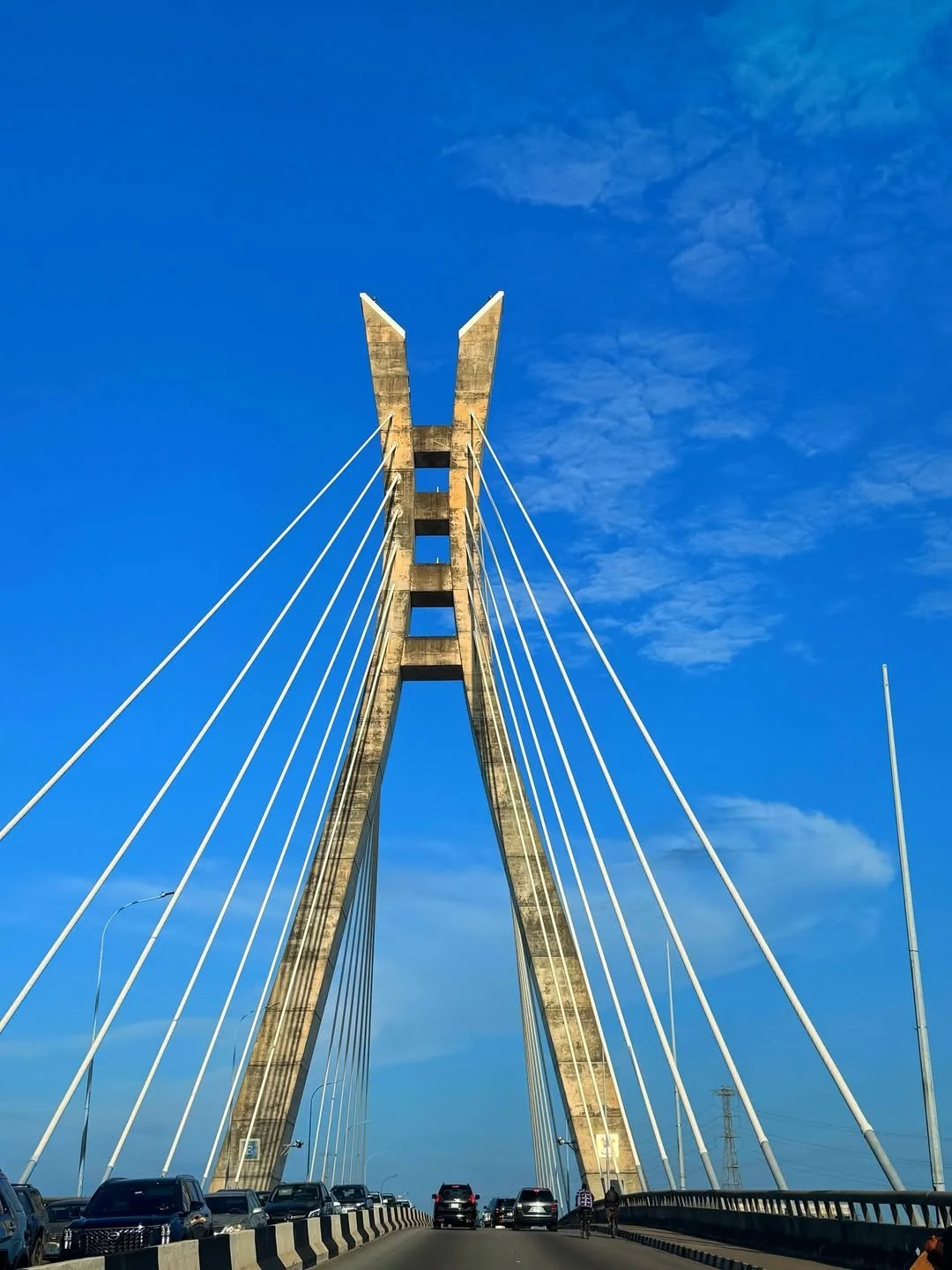
Lagos State’s Lekki-Ikoyi bridge photographed by Adetokeoluwo
Lagos fashion operates at scale—larger audiences, louder conversations, faster trend cycles. The city’s fashion industry mirrors its personality: bold, chaotic, and commercially driven.
What Lagos gets right is visibility. Designers understand branding, storytelling, and the power of celebrity endorsement. Fashion is tightly linked to music, nightlife, and pop culture, making it impossible to separate style from the city’s identity.
Lagos also excels in entrepreneurial fashion thinking. Ready-to-wear brands, bespoke tailoring, influencer marketing, and social commerce coexist fluidly. It is the city of hustle and diversity. You can find different kinds of communities in Lagos.
While infrastructure challenges remain, like production costs and inconsistent supply chains, the city compensates with resilience and innovation.
Youth culture drives Lagos fashion. Trends are created by groups, shared on social media, grown and spread by young people in communities, and celebrated at weddings, parties, and pop-ups long before international buyers take notice.
Johannesburg: Infrastructure and Industry Maturity
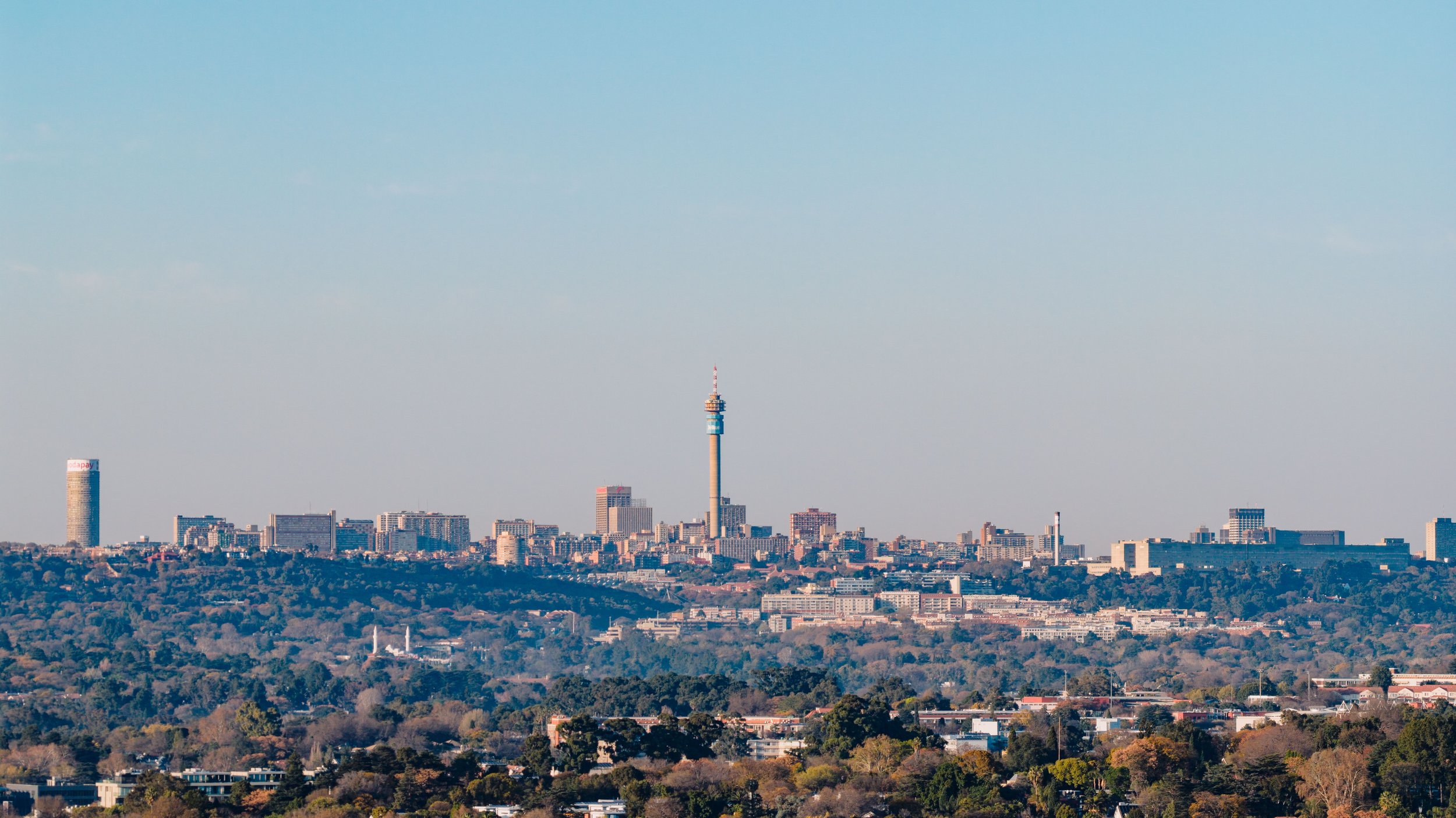
Shot of Johannesburg skyline featuring the iconic Hillbrow Tower on a clear day
Johannesburg stands apart for its institutional strength in collaboration with youth culture. With established fashion schools, retail infrastructure, and media platforms, the city offers something rare on the continent: industry maturity.
Designers in Johannesburg are trained not just creatively, but commercially. Production standards, pricing structures, and export readiness are more developed, making South African brands easier to scale internationally.
What Johannesburg gets right is professionalization. Fashion is treated as a business, not just art. This has allowed designers to access international markets, partnerships, and long-term retail opportunities.
However, Johannesburg’s challenge lies in accessibility. The industry can feel exclusive, and younger designers often struggle to break into established systems. Still, its structural advantages remain unmatched.
Accra and Nairobi: Supporting Roles with Strategic Importance
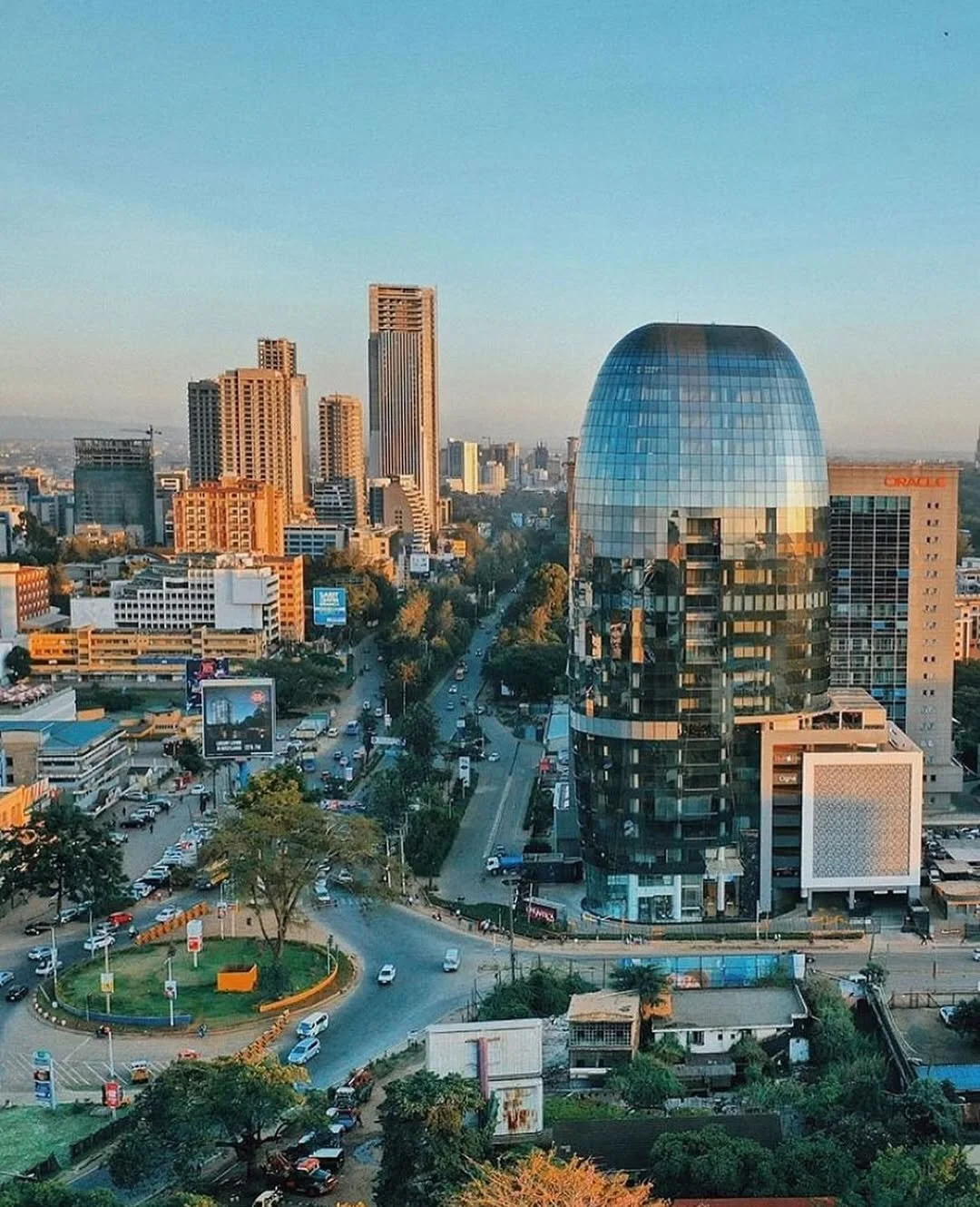
Black Star Gate, located in Black Star Square in Accra, Ghana photographed by Baffour Kwame
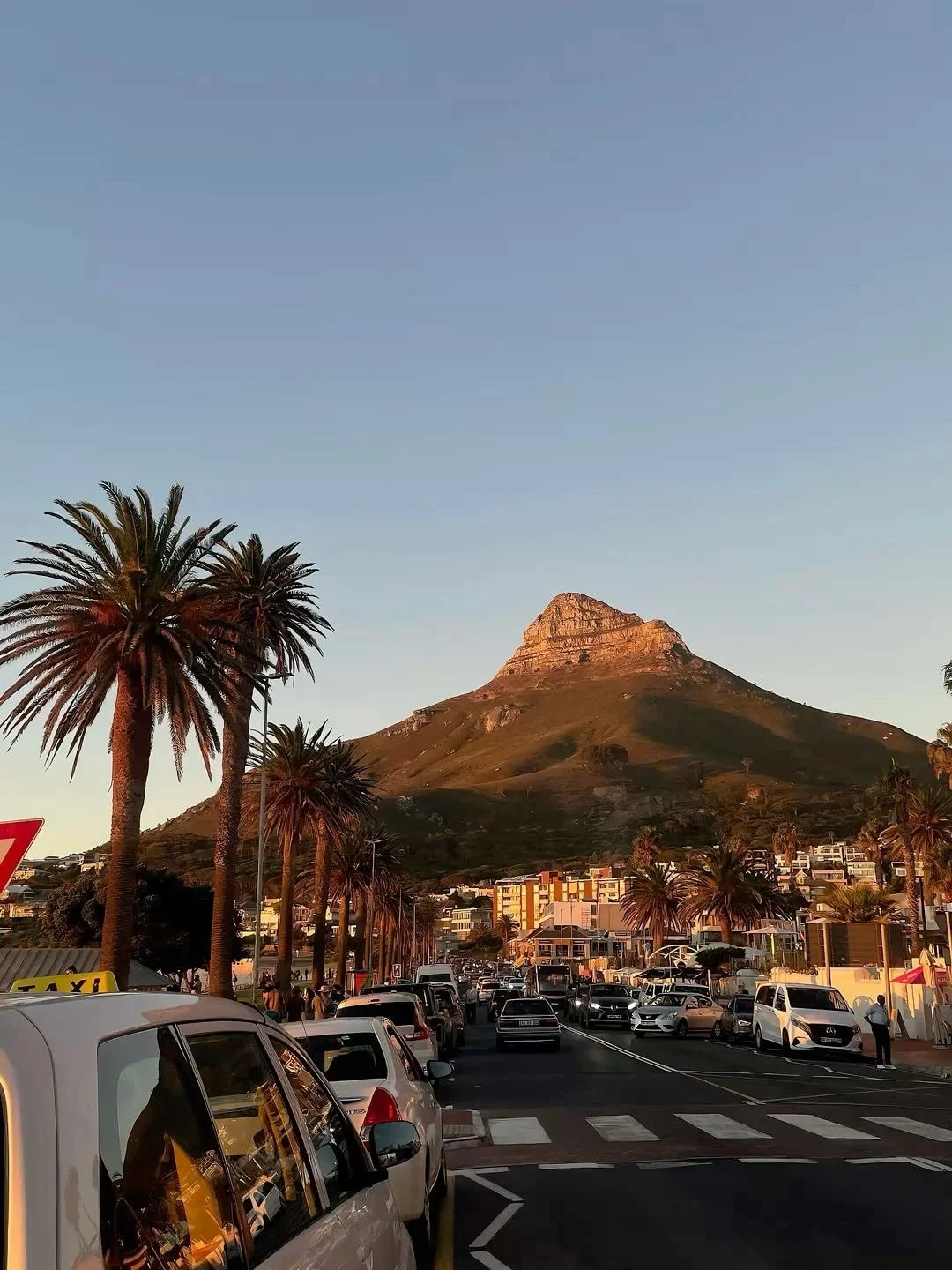
One Africa Place Tower Nairobi, Kenya photographed by Sam Muchai
Accra and Nairobi play crucial roles in shaping Africa’s fashion future.
Accra excels in intentional storytelling and cultural confidence, as it clings more strongly to its distinct cultures than other West African countries. Designers embrace heritage without dilution, creating fashion that feels rooted yet modern. The city’s collaborative creative culture allows ideas to circulate freely, making it a fertile ground for experimentation and diasporic engagement.
Nairobi, on the other hand, stands out for its intersection of fashion, sustainability, and technology. Designers are deeply engaged with ethical production, environmental responsibility, and narrative-driven branding. Nairobi’s fashion scene may be quieter, but it is strategically aligned with global shifts toward conscious consumption.
What This Means for African Fashion
The rise of African fashion cities signals hope for Africa’s future and its economy. Fashion has always been a major part of society. It permeates every culture, religion, and, in a way, even politics. A thriving fashion economy is always an indicator of a country's growth and development.
Thriving fashion landscapes also indicate
Strong local demand
Sustainable production systems
Cultural relevance
Business viability
Lagos proves that fashion can be driven by both culture and commerce. Johannesburg proves that structure and systems create longevity. Accra and Nairobi prove that intention and ethics matter.
Together, these cities are redefining what an African fashion capital looks like.
African fashion does not need a single capital. It needs multiple cities doing different things well. Lagos and Johannesburg may be leading the charge, but they are strongest when supported by cities like Accra and Nairobi.
The future of African fashion lies not in imitation, but in ecosystem-building—and these cities are showing exactly how to do it.