The wrapper is a generic term for a long piece of fabric tied around the waist, chest, or draped over the body. I like to think of it as the flour of Nigerian fashion, as it is featured in a handful of traditional attire across tribes.
It has been a timeless element of Nigerian fashion. Worn by both men and women, this versatile garment transcends mere clothing, embodying cultural identity, heritage, and personal style. While modern fashion trends have introduced new ways to wear it, the wrapper remains deeply rooted in tradition.
Across Nigeria, each tribe has its own unique way of styling, using, and interpreting this fabric. Some even have their own names for it, and I will show you a few examples.
Yoruba: The “Ìró” and Yeri
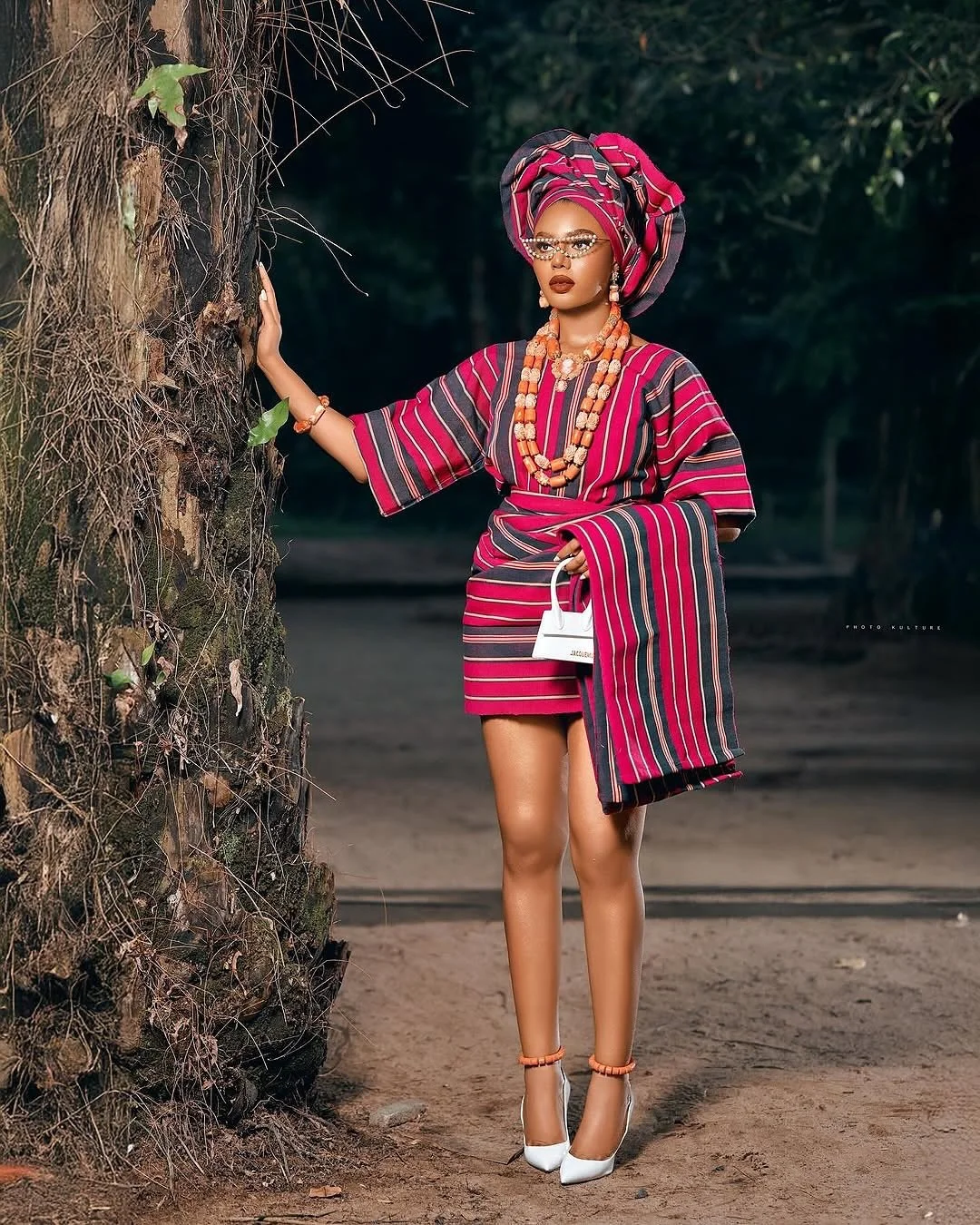
Nancy Isime wearing an Ìró and Buba (Oleku style) from the Medlin Couture Collection, photographed by Photokulture.
In Yoruba culture, there are predominantly two types of wrappers: the Iro and the Yeri. The Iro is often paired with a Buba (blouse) and Gele (head tie) for women. The Ìró comes in different lengths: short, medium, or long. However, initially, the Ìró was ankle-length, but with modernization, the lengths grew shorter. And this is what is called the Oleku style.
The fabric of choice is often Àșo-Òkè, Organza, Lace, Adire, or Ankara; however, in the early 1950s and 1960s, the Ìró and Buba were made with cotton and Àșo-Òkè. The other fabrics came about as a result of colonization and modernization.
For some women, the Iro was tied around their chest and waist, not just the waist, as is typically the case for most people. However, in recent times, almost everyone has been tying it around their waist.
Then we have the Yeri or Yeri Apagun, which is a unisex wrapper or skirt. Yoruba leaders traditionally wear the Yeri, while the Yeri Apagun is a later, derivative version of it. The Yeri Apagun is actually a ‘bounded wrapper’ worn in place of an actual wrapper.
They were created due to the constant falling and unwrapping of regular wrappers.
Igbo: The Elegant “George” Wrapper
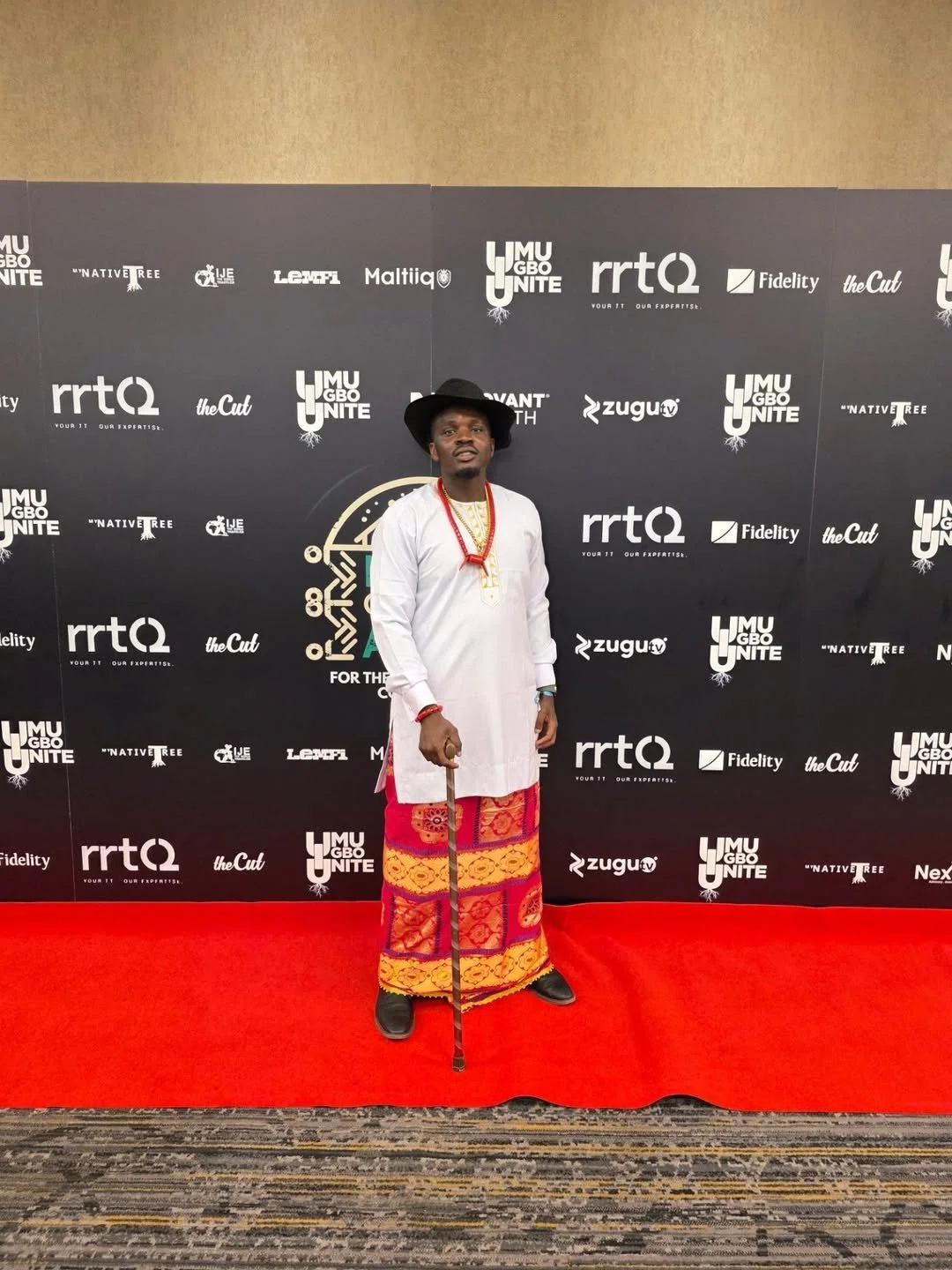
Man adorned in a George wrapper
Among the Igbo people, the wrapper is an integral part of both casual and ceremonial attire. Women often wear two matching wrappers, both placed on top of each other, paired with a lace blouse. On festive occasions such as weddings or traditional title ceremonies, the wrapper is commonly made from George fabric.
In Igbo culture, men also wear George wrappers, particularly during traditional ceremonies. This version is tied around the waist and paired with a long-sleeved white shirt or isiagu, and Okpu (traditional red cap).
Hausa-Fulani: The Flowing “Zani”
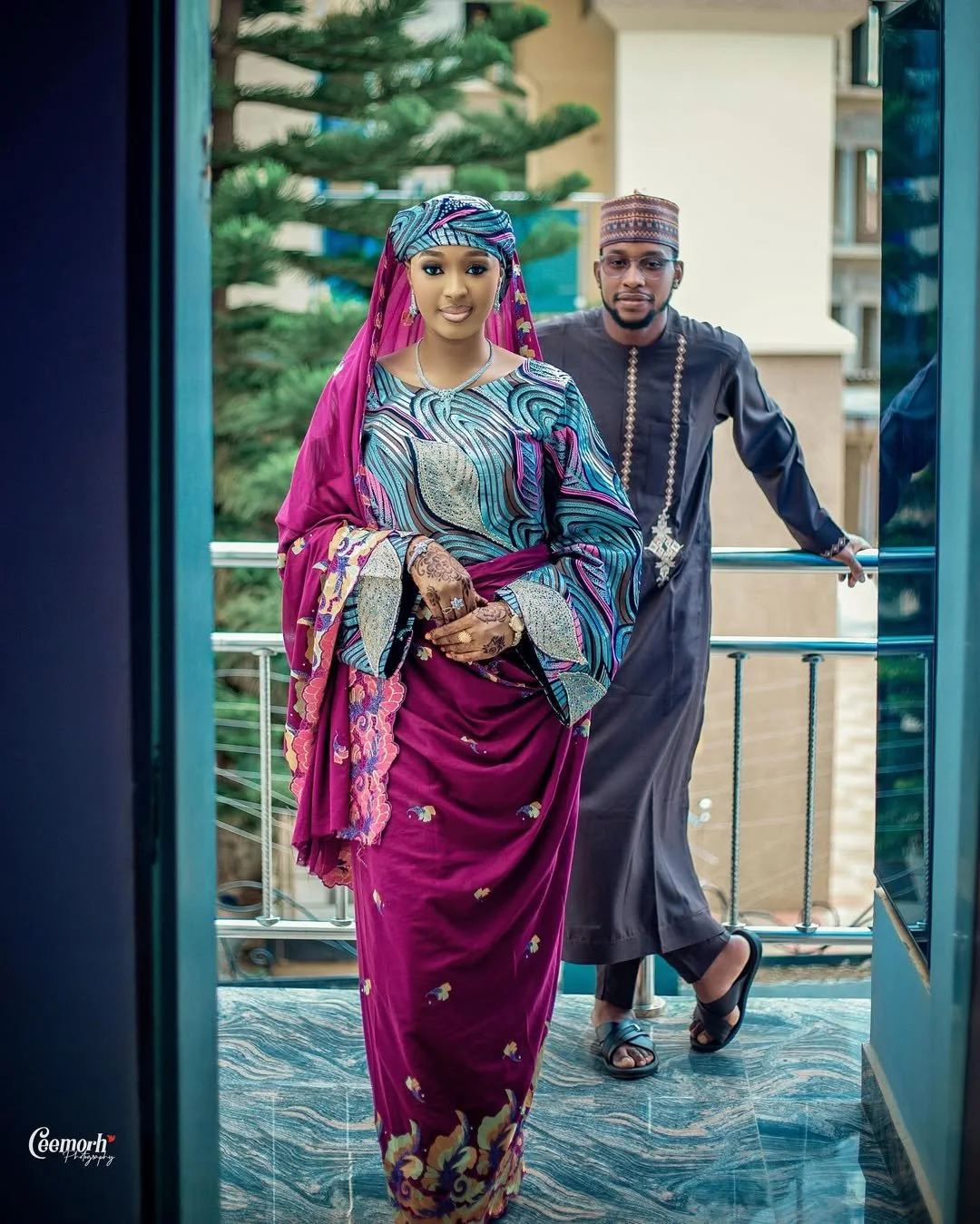
A Hausa woman wearing a Zani, photographed by Ceemorh Photography
In the Hausa-Fulani tradition, the wrapper is known as a Zani, typically worn with a long and loose blouse called a Buba, similar to the Yoruba style. It is sometimes paired with matching headscarves called Gyale. The Zani is tied firmly and is usually floor-length.
Efik/Ibibio: The Regal “Usobo”
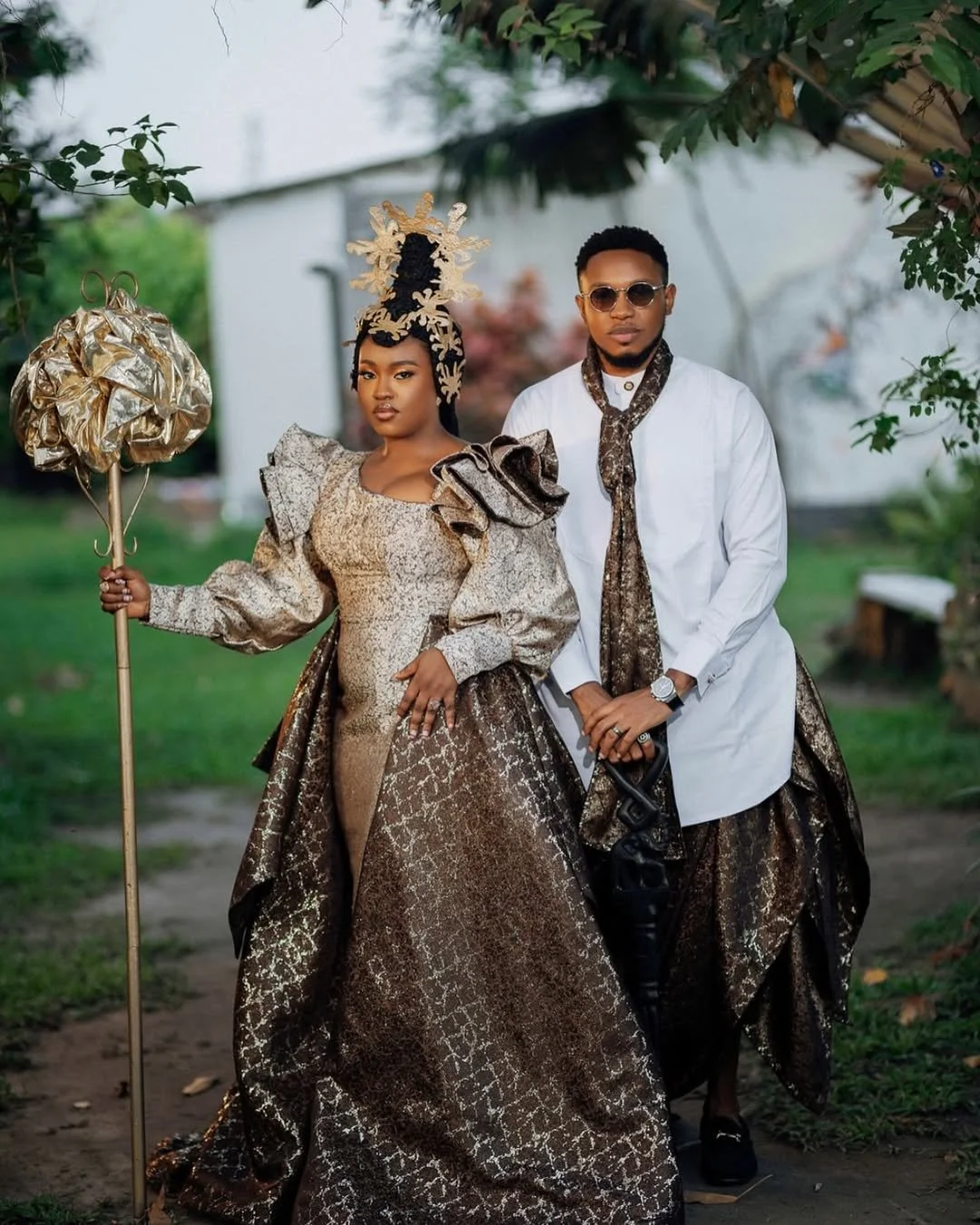
An Efik man adorned in an Usobo wrapper, photographed by Zeals Photography
In the Efik and Ibibio cultures of southern Nigeria, the wrapper is known as Usobo. It is usually tied to a voluminous, layered appearance.
Similar to the Igbos, it is also paired with a white long-sleeved shirt. Although traditionally Efik women do not tie a wrapper, it is not uncommon to see some women tie one today, as it is part of Nigerian culture.
Tiv: The Striped “A’nger” Wrapper
The Tiv people of central Nigeria are easily recognized by their distinctive and beautiful black-and-white striped fabric, known as A’nger. Traditionally, Tiv men and women wear a wrapper around their waists made from the A'nger fabric. They always pair the wrapper with a matching top from the same A’nger fabric.
However, due to modernization, many Tiv men and women now wear skirts, gowns, and trousers made from this fabric.

Woman adorned in A’nger fabric photographed by Stormz 02 Photography
Image sourced from Bolakoka
Urhobo/Ijaw/Itsekiri: The Versatile “George” and “Lace” Wrappers
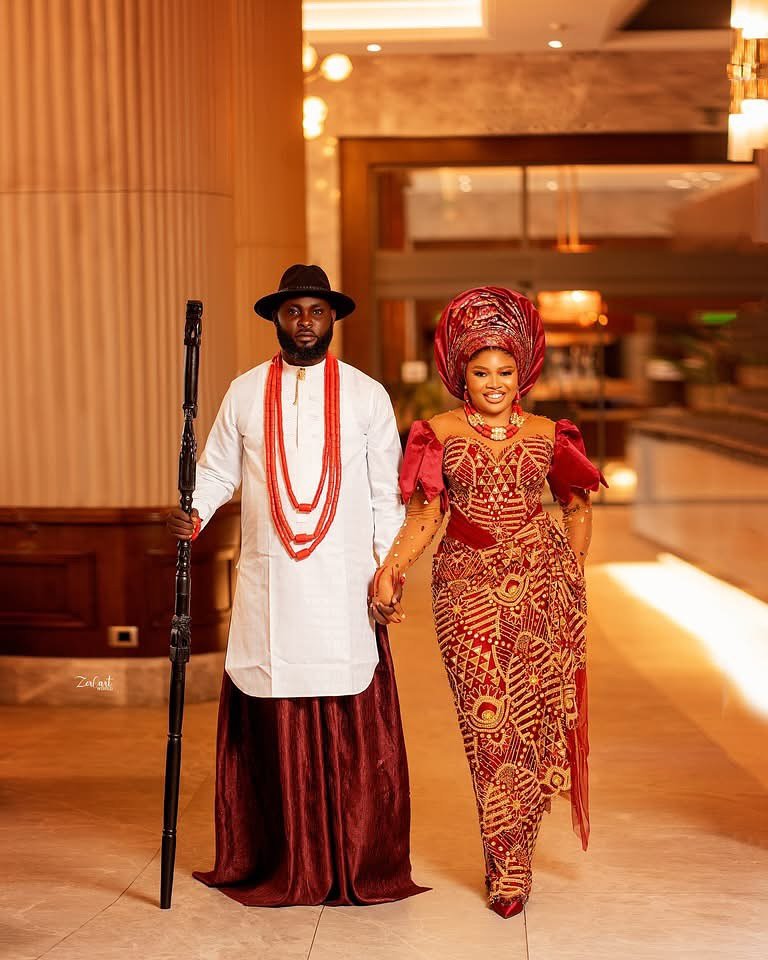
An Ijaw couple tying George wrappers photographed by Zero Art Photography
In the Niger Delta region, Urhobo, Ijaw, and Itsekiri women often wear double wrappers made from George fabric, paired with lace blouses and coral bead accessories. The double wrapper style, with one tied higher on the waist and the other lower, creates a layered effect that adds elegance.
Men in these tribes wear a single, flowing wrapper tied around the waist, often paired with a long-sleeved white shirt and a bowler hat or walking stick, which gives them a dignified, regal appearance. Sometimes the wrapper is lifted at the sides, revealing the wearer's ankles.
A Fabric of Unity in Diversity
The wrapper is more than just a piece of cloth; it is a living symbol of Nigeria’s diversity and unity. From the Yoruba Iro to the Igbo George, each tribe’s style tells a story of heritage, pride, and adaptability.
While modern fashion trends continue to influence how the wrapper is worn, its cultural significance remains strong. Whether tied simply for daily wear or styled extravagantly for grand celebrations, the wrapper will always be a fashion staple for all Nigerians.