African Fashion Loves Drama, but What About Ease?
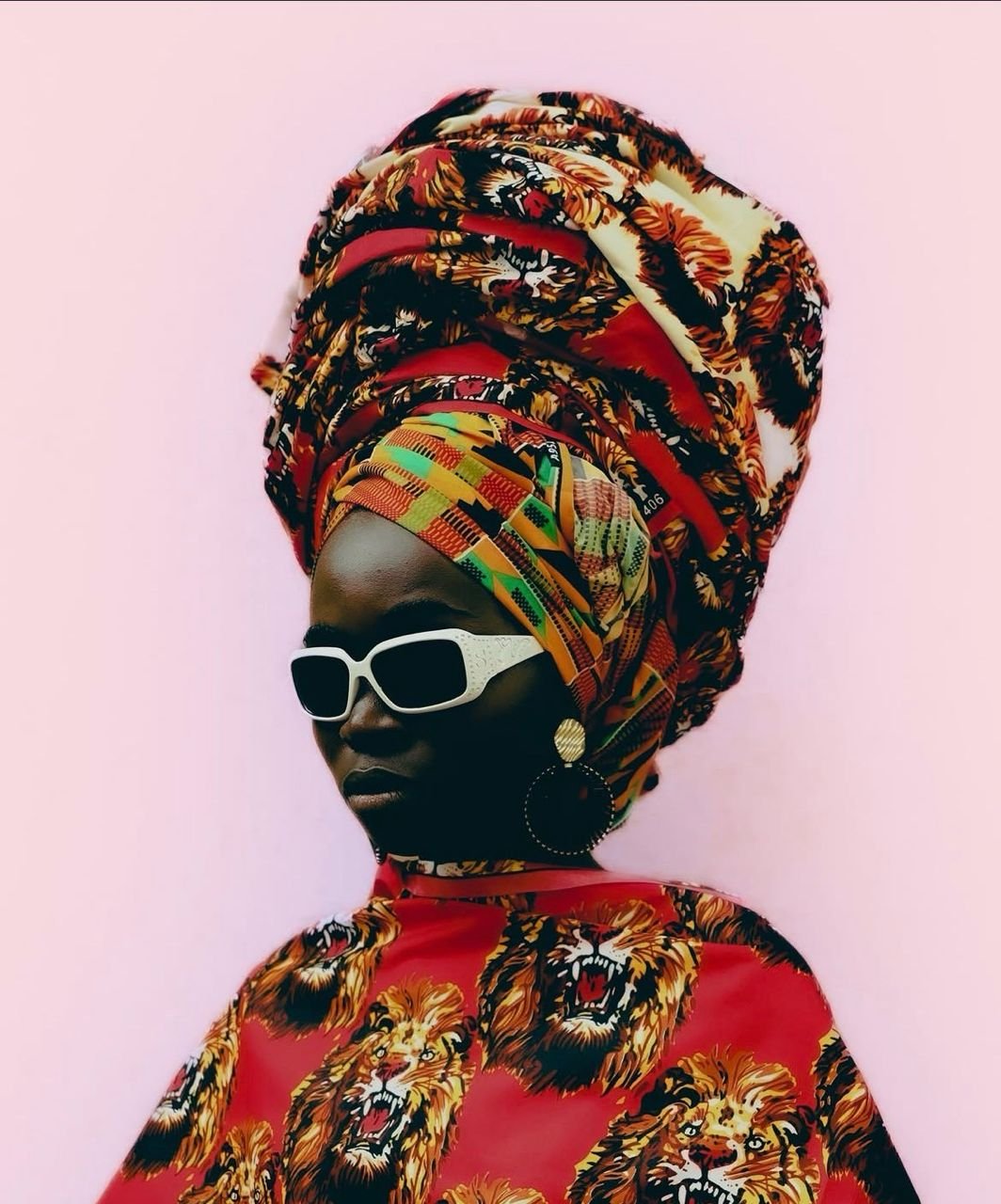
Woman in headgear photographed by Unavailable
African fashion is built for the limelight. You see it in the volume, the structure, and the detail. Every time someone wearing an African designer's clothing enters a space, they immediately become part of what people are looking at. Our outfits hold attention and create a lasting impression.
And in many ways, that is the point. Many of the clothes being made are designed for visibility. They’re for weddings, parties, red carpets, and fashion shows. Places where dressing up is expected, and even required.
So the clothes have to be bigger, sharper, more detailed, or all of the above. They don’t try to disappear into the background. But outside of those limelight moments, what becomes of the clothes
Because most people are not living their lives at events. They are in between places. They’re on the road. They have work. They have to live through days that are not staged or controlled. And clothes that are designed for moments don’t always know what to do in those spaces.
An outfit that works perfectly when you’re standing and taking pictures becomes harder to manage when you have to sit for long. Something that looks good in pictures starts to feel like too much after a few hours. You become extremely aware of what you’re wearing.
The clothes hold their own extravagance, and you have to adjust to them. This is where ease becomes important, not as the opposite of drama, but as something that needs to be considered.
A lot of people think ease is about being plain. It is not. Ease is about how clothes feel on the body over time. How they respond when you move, when you sit, and when the day stretches longer than expected. So you’re no longer thinking about how you look, but just trying to exist comfortably.
Right now, a lot of the focus is still on the moment something is seen. How it photographs, stands out, and performs. Yes, performance is the right word for it. Because many outfits create an effect, and they have to be noticed.
But like all performance, there’s a limit. At some point, you have to come out of it. You have to relax, sit down, walk, and completely forget about the outfit.
This is where you notice the difference between clothes made to be seen and clothes made to be lived in.
What’s interesting is that this wasn’t always separate.
A lot of traditional clothing already understands both. It could be worn to gatherings, but it could also be worn at home. It allowed for movement, for adjustment, for ease without losing its presence.
Now, those two ideas feel more divided. You have clothes for when you want the spotlight on you, and then you have everything else.
The question is not whether African fashion should lose its sense of drama. That drama is part of what makes it distinct. It’s part of the language. But not everything needs to be said at a particular volume.
There is space for clothes that don’t always need to perform to be spotlight-worthy. Clothes that can exist fully without demanding constant attention from the wearer.
Because while we’re the stars of our stories, for most of life, there’s not a spotlight on us. There are in-between moments, and those in-between spaces deserve to be designed for, too.