Cultural IP: Protecting African Fashion in a Copy-Paste World
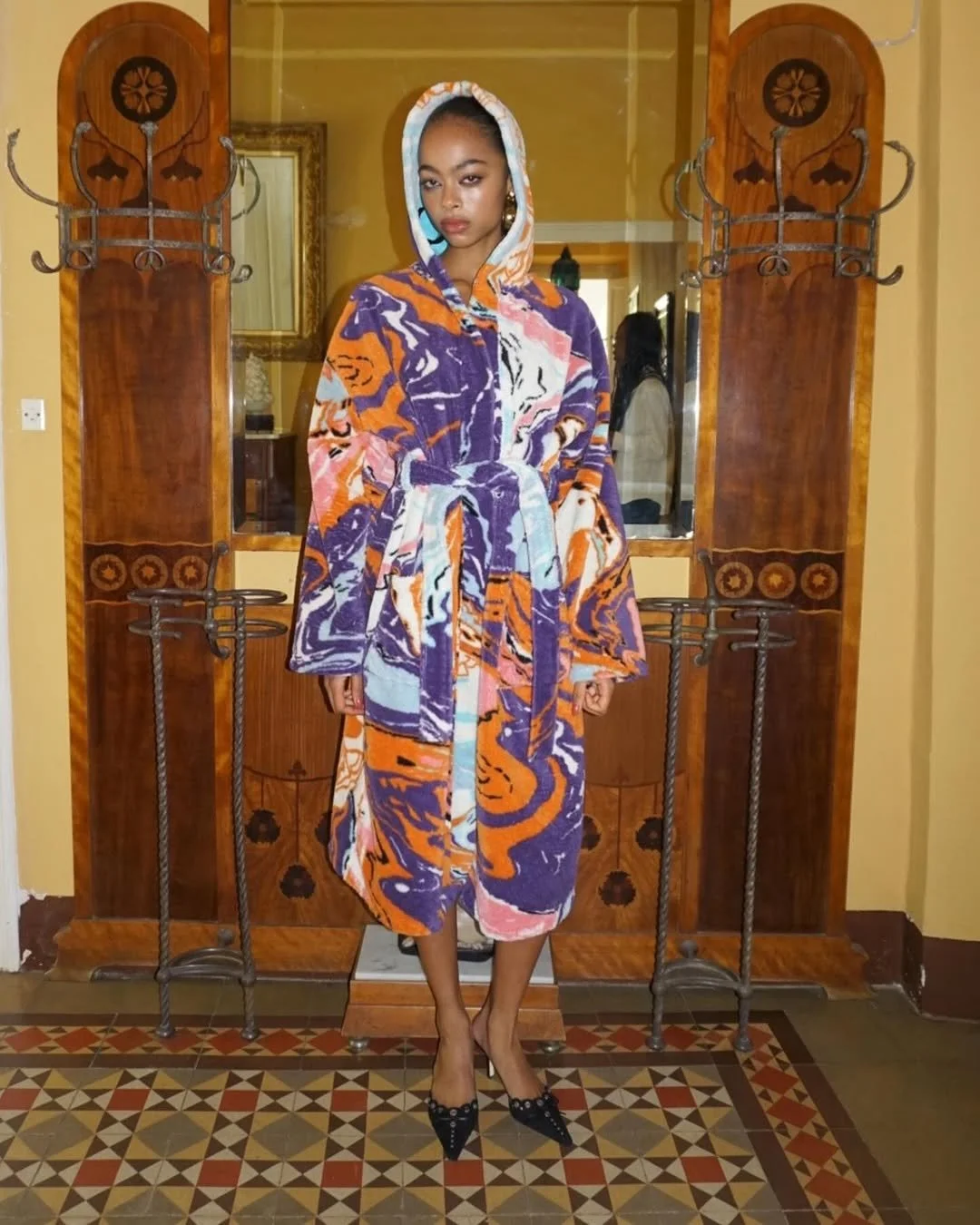
The Gaia print on the Gaia robe by Kai Collective}
Photograph sourced from Kai Collective on Instagram
African fashion and heritage have always been a global interest. Yet, while the world admires and consumes these styles, it often does so without crediting or compensating the communities that created them. Fast fashion brands, in particular, have been accused of borrowing African-inspired designs, repackaging them, and selling them in large quantities. Automatically stripping them of context, meaning, and rightful ownership.
This raises an urgent question: how do African designers protect not only their creations but also the cultural DNA embedded in them?
The Copy-Paste Problem
Fashion, by its nature, thrives on inspiration. But there’s a thin line between inspiration and appropriation. In today’s digital-first world, where trends travel at lightning speed, African patterns and designs are especially vulnerable. A single viral TikTok outfit can be replicated and sold in bulk by fast-fashion platforms such as Shein or Boohoo within weeks.
This exploitation doesn’t just hurt individual designers. It erodes the connection between cultural heritage and its rightful owners. If left unchecked, the world may celebrate African aesthetics while forgetting Africa itself.
Legal Tools African Fashion Houses Can Use
The first step in protecting cultural IP is formalizing ownership. Many African designers operate informally, leaving their creations vulnerable to exploitation. But several tools exist:
Copyright: Original patterns, textile designs, and unique artwork can be copyrighted to prevent unauthorized reproduction.
Trademarks: Logos, brand names, and signature prints can be trademarked, creating strong brand recognition. Kai Collective, for instance, has made its Gaia print globally recognizable and protected.
Design Registrations: Unique garment shapes, cuts, or accessories can be protected through design patents, making it easier to challenge knock-offs.
Geographical Indications (GI): Like Champagne or Scotch whisky, African textiles can also push for GI recognition. Imagine “Kente of Ghana” or “Adire of Abeokuta” carrying global weight as certified, protected origins.
The challenge is that many African legal systems are under-resourced. But as more designers formalize their work and push for continental frameworks, protection becomes possible.
Beyond Law: Building Strategic Ownership
Legal protection alone isn’t enough. What makes cultural IP powerful is strategic ownership — ensuring the world sees the meaning behind the fabric, not just the fabric itself.
Storytelling as Defense: People don’t just buy clothes; they purchase meaning. By embedding cultural stories into branding and marketing, designers make it harder for imitators to strip their work of context. A copied print is just fabric. A print tied to heritage, identity, and narrative becomes priceless.
This also makes it easier for people to spot plagiarism and call it out immediately.
Signature Elements: Burberry nearly lost relevance in the early 2000s due to overextending its check pattern. Its revival came when it reclaimed and controlled that signature. African fashion houses must identify and fiercely guard their “signatures”.
Community as Watchdogs: Designers can unite to call out plagiarism. In the digital era, collective voice is a powerful deterrent. Public pressure has already forced big brands in music, art, and fashion to back down from exploiting smaller creators.
The Role of Technology
Technology offers African designers new tools to claim and prove ownership.
Blockchain Provenance: Fabrics can be digitally tagged with blockchain technology, providing verifiable authenticity from source to store.
NFT Certificates: Original designs can be minted as NFTs, serving as digital proof of creation and ownership. While not yet mainstream in the fashion law industry, these tools show promise for forward-thinking designers.
E-commerce as Defense: Platforms selling African fashion globally can prioritize verified original brands, while algorithms can flag suspiciously similar products.
These solutions won’t solve everything overnight, but they represent a shift: African fashion no longer needs to be reactive. It can proactively define what ownership means in the digital age.
Conclusion
Protecting African fashion in a copy-paste world is about more than chasing plagiarists in courtrooms. It’s about reclaiming ownership of heritage, telling cultural stories loudly, and equipping designers with modern tools.
If African fashion houses can combine law, culture, and technology, they could put an end to exploitation. Because every pattern, every stitch, every print is more than fashion. It is history, identity, and future woven together. And that deserves not just admiration but protection.