Soft Life, Hard Economics: The Aesthetic vs The Reality of Soft Life in Nigeria
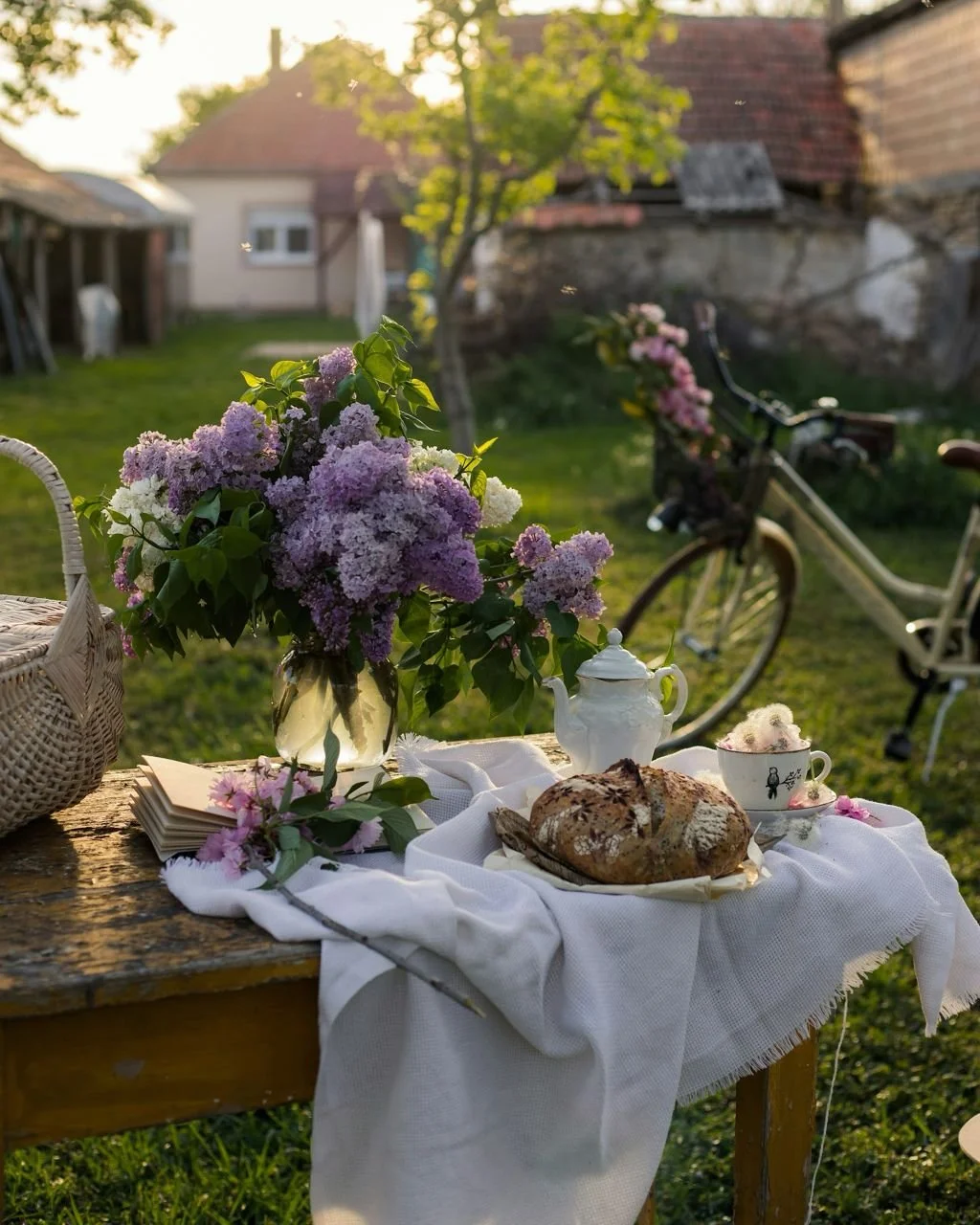
Soft Sunset With Flowers photographed by Jovan Vasiljevic via Unsplash
The soft life aesthetics continues to chase me every day. There’s the clean girl trend that seems like it’s here to stay. You see it everywhere. Neutral tones, clean makeup and outfits, linen sets, and flowy dresses. Pieces that suggest soft life, even when nothing else is being said. Someone sitting at brunch on a Monday holding a glass of red wine, looking like they don’t have anywhere urgent to be.
It’s a full picture that, like most things, works best when you don’t think too hard about what it takes to maintain it.
Because soft life in Nigeria is not the reality of 70% of Nigerians.
Let's start with the basics.
Clothes are expensive, not just statement pieces but everyday things. A good pair of trousers, a shirt that still has its shape after a few washes, and shoes that don’t start to peel after a month. Quality costs money, and once you start paying attention to it, you realize how quickly it adds up.
Then there’s maintenance.
Soft life is not just about the clothes, or at least, well, it’s not just about buying the clothes. You have to keep them in a certain condition. There needs to be some dry cleaning, careful washing following the provided instructions, and proper ironing. There’s also keeping the clothes well so they don’t lose form.
And the light fabrics, which are the core of soft life aesthetics, you know the ones that look the most “effortless,” well, they often require the most care. Nothing about it is passive.
There’s also the reality of movement. Most people are not just stepping out of their houses into cars with air conditioning. They are walking and jumping on buses. They’re also standing in the sun. Navigating spaces that don’t always support the kind of ease their outfit is trying to project.
You can wear linen, but Lagos will still remind you where you are. Sweat becomes part of the outfit whether you planned for it or not. And yet, the soft life aesthetic continues to grow.
Part of it is aspiration. The idea of a life that feels slower, calmer, and more controlled. Something that feels like a luxury with the state of the economy and just generally living in Nigeria. Dressing becomes one of the easiest ways to signal that, even if the rest of your life does not fully match it yet.
You may not have a soft life, but you can look like you do for a moment.
There’s also social media.
Platforms like Instagram have made certain aesthetics more visible and more desirable. You see people who seem to have mastered it. Their outfits are consistent, and their environments match. Everything looks intentional, so it creates a kind of pressure, even if it’s subtle. A pressure to keep up. To refine your look. To present yourself in a way that aligns with that soft life standard.
But what often gets hidden is the structure behind it. Some of the people who embody this aesthetic have systems in place. Access to good laundry services. Most importantly, access to stable electricity. They don’t have to depend on a national grid that continuously collapses. Or a power supply system that doesn’t care. They also have the ability to replace items when they wear out and the luxury of time to think about outfits without rushing.
These things matter. Without them, the soft life aesthetics becomes more labor than it appears. It is labor, but it becomes more due to circumstance.
There is also the question of repetition. In reality, most people repeat outfits. They rewear pieces, and they mix and match what they have. But the soft life aesthetic often relies on the illusion of newness. Fresh looks. Different combinations. A sense that there is always something else to wear. Maintaining that illusion takes effort and money.
Still, people find ways to make it work. You see it in how outfits are styled differently to stretch a wardrobe. How pieces are reworn but presented in a new light. How people prioritize certain items and build around them slowly.
There is creativity in that. Because the truth is, here dressing is not just about taste. It’s about access. Access to money, yes. But also access to time, resources, and stability. Things that make it easier to sustain a certain look without it becoming exhausting.
The soft life aesthetic suggests ease, but maintaining it is structured, intentional, and often demanding.
Which doesn’t make it fake, just incomplete.Because what you’re seeing is one part of the story. The part that is meant to be seen. The rest of it, which is the cost, the effort, the constant adjustment, stays mostly out of frame.