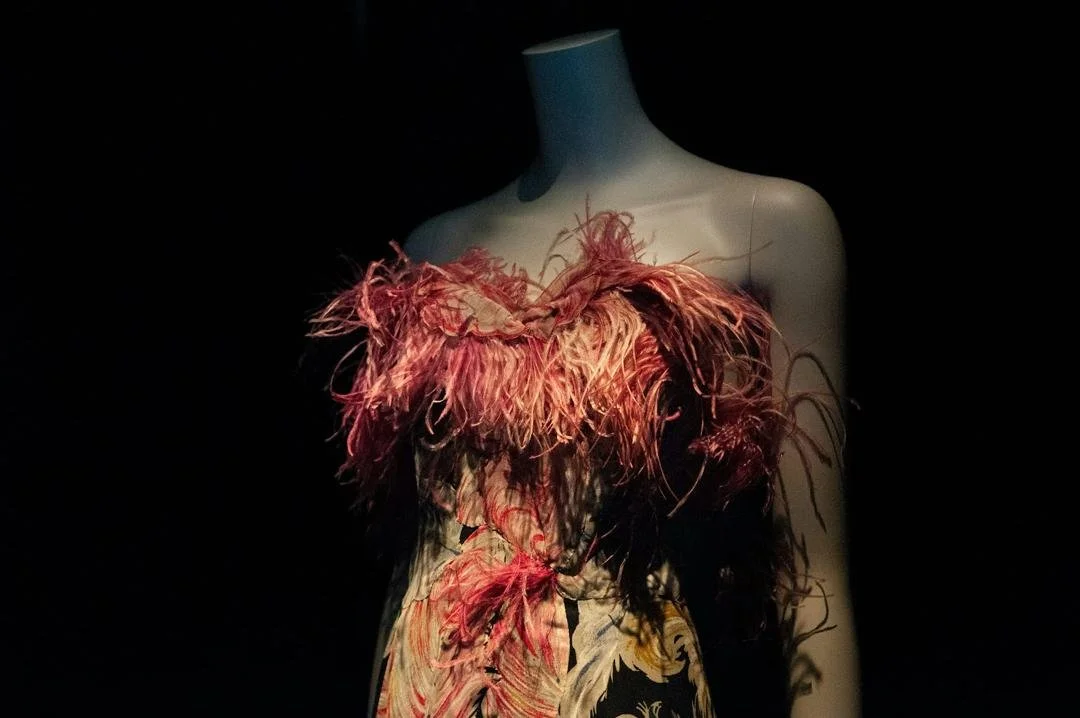
Dress made with recycled materials photographed by Yves Monrique
It’s impossible to deny the existence of a global environmental crisis. Our industrial activities have pushed this crisis to a critical stage, and now each industry must turn to new measures to prevent it from worsening.
The fashion industry is one of the largest contributors to environmental degradation. It is the fifth-largest emitter of greenhouse gases and also the third-largest consumer of water. It is estimated that the fashion industry produces around 92 million tonnes of textile waste each year. To get the full image of what this means, imagine a truck filled with clothes is being dumped every second. Recently, Kenya is said to receive over 300 million damaged or unsellable items of clothing annually. This clothing, made of synthetic or plastic fibers, is often dumped or burned, worsening the plastic pollution crisis.
So we have massive clothing waste each year, and there are also harmful dyeing processes for clothing, which do no good for our environment. This crisis is the reason why the fashion industry must shift towards sustainability.
This leads us to regenerative fashion.
Regenerative fashion is a concept that aims to improve the environment by promoting principles such as recycling, biodiversity, and reducing carbon emissions. The goal is a curricular system in which materials are continuously recycled, reducing waste and the need for new resources.
Regenerative fashion also focuses on biodiversity conversion. So the materials have to be sourced responsibly, without causing ecological damage. That is promoting habitat restoration. So we use materials like organic cotton.
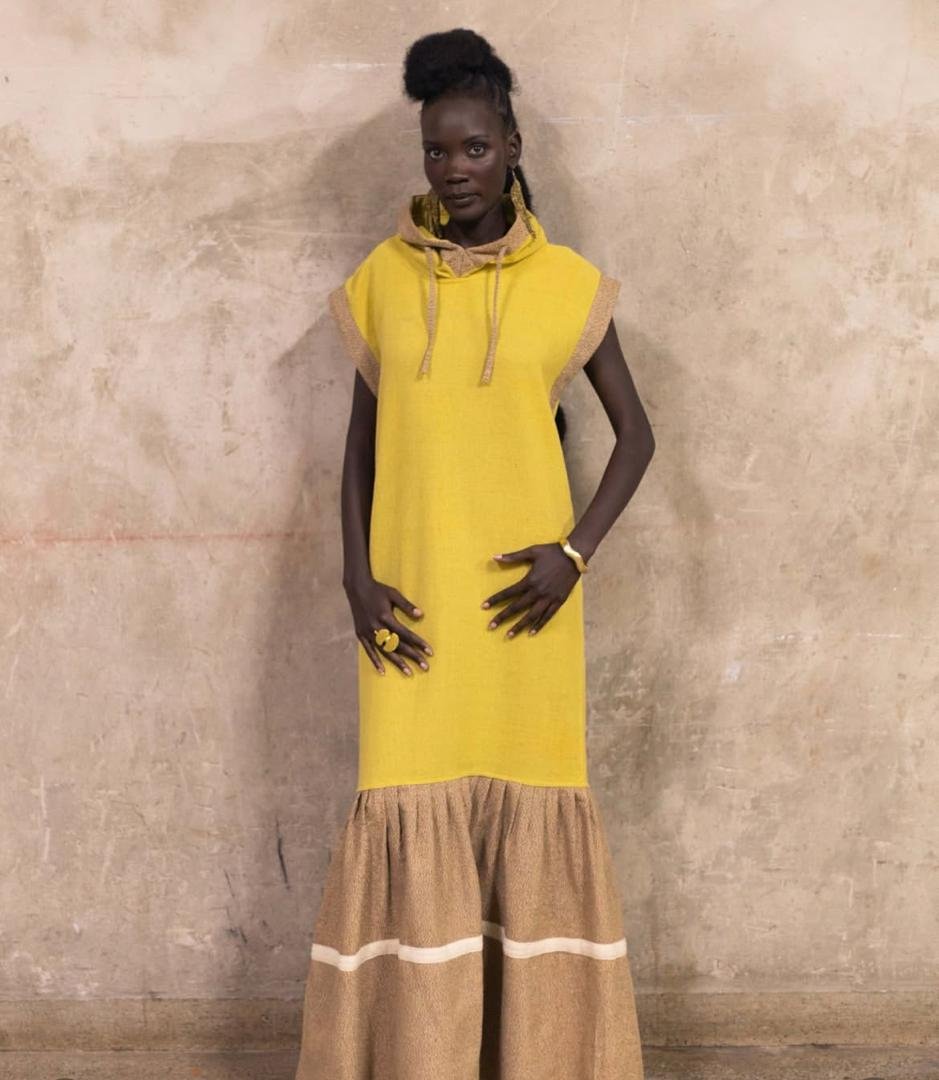
In Africa, a few designers and brands are leading the regenerative fashion movement. First on our list is Eva Wambutu. Eva Wambutu is a fashion designer who believes that sustainability in fashion comes from creating responsibly. So it’s about doing all you can to minimize waste, repurposing materials, and creating clothing that lasts. It’s more than just environmental impact; sustainability can also drive cultural and economic growth through fashion. Eva works with organic fabrics such as denim, linen, cotton, and raw silk to produce collections that uphold the principles of regenerative fashion.
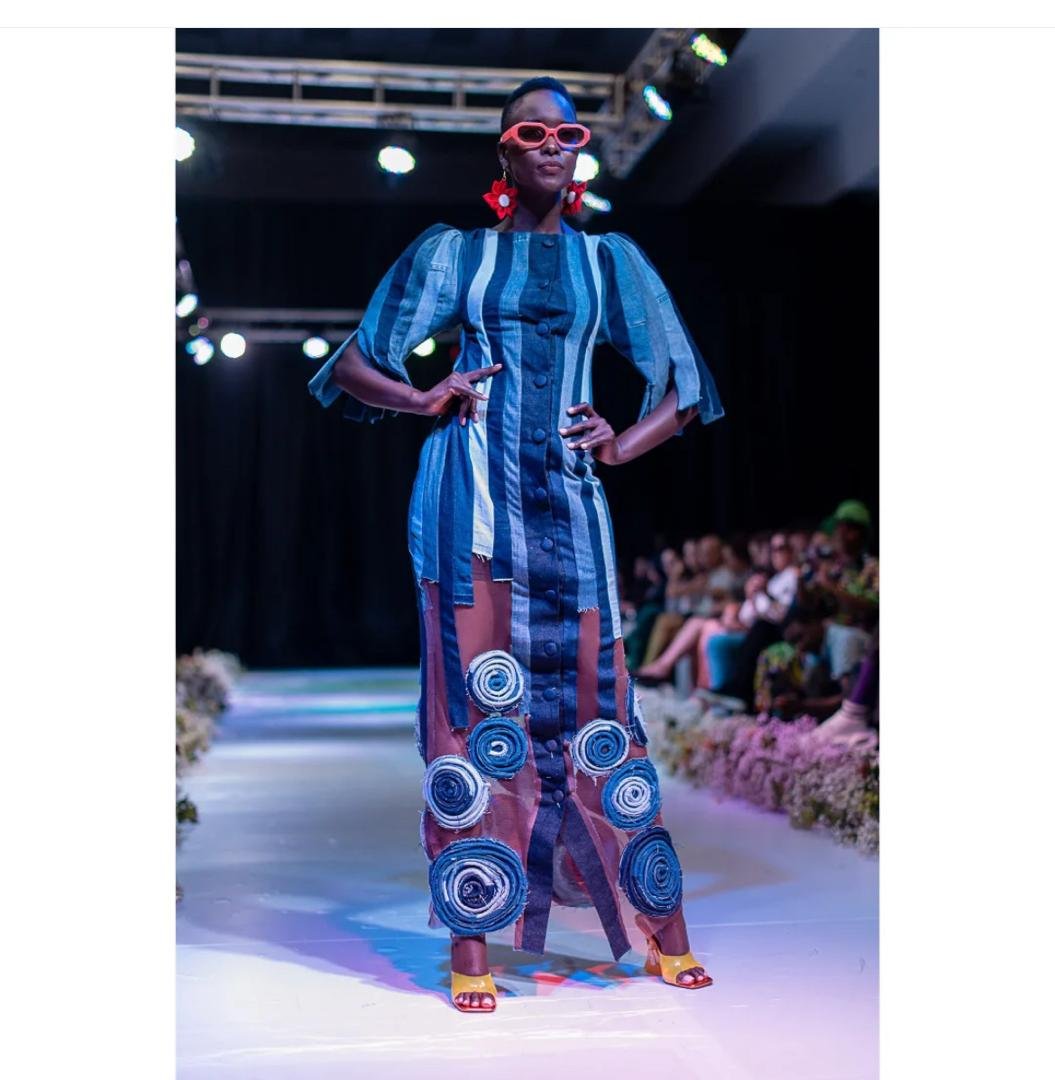
Model in an ‘Eva Wambutu’ dress made of sustainable materials.
There’s also the LA OCULTA brand, which expresses the connection between Colombia and Africa. This women’s clothing brand focuses on minimizing its ecological footprint by using recycled and sustainable processes and materials in its operations. They also work with artisan communities, and that brings it all together.
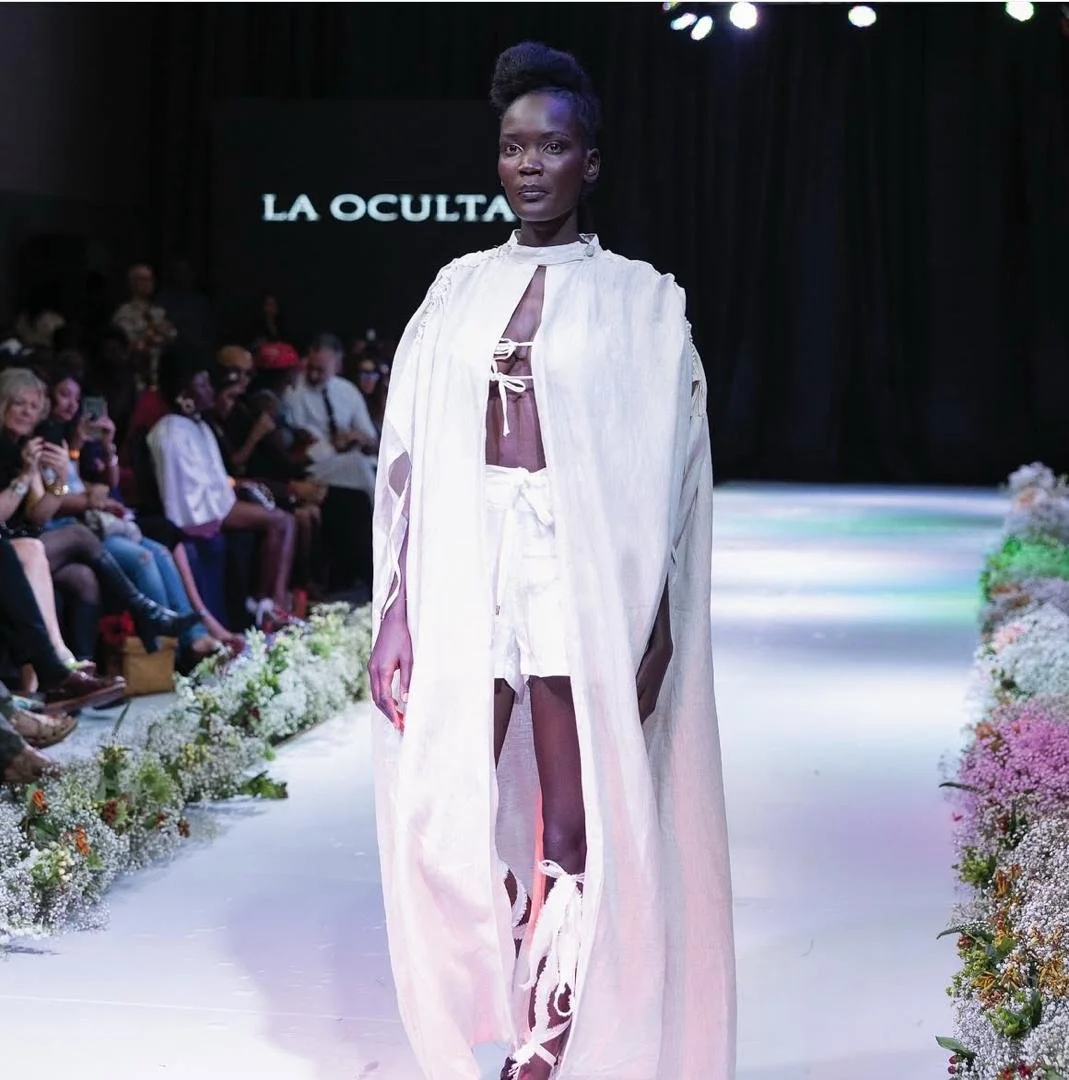
Model in a ‘LA OCULTA’ piece made of sustainable materials.
Rising from Kenya is Maisha by Nisria, which is a non-profit fashion and design studio. They focus on making handmade clothing from upcycled materials. Their approach is unique. They take old clothing and fabrics and transform them into stunning fashion pieces.
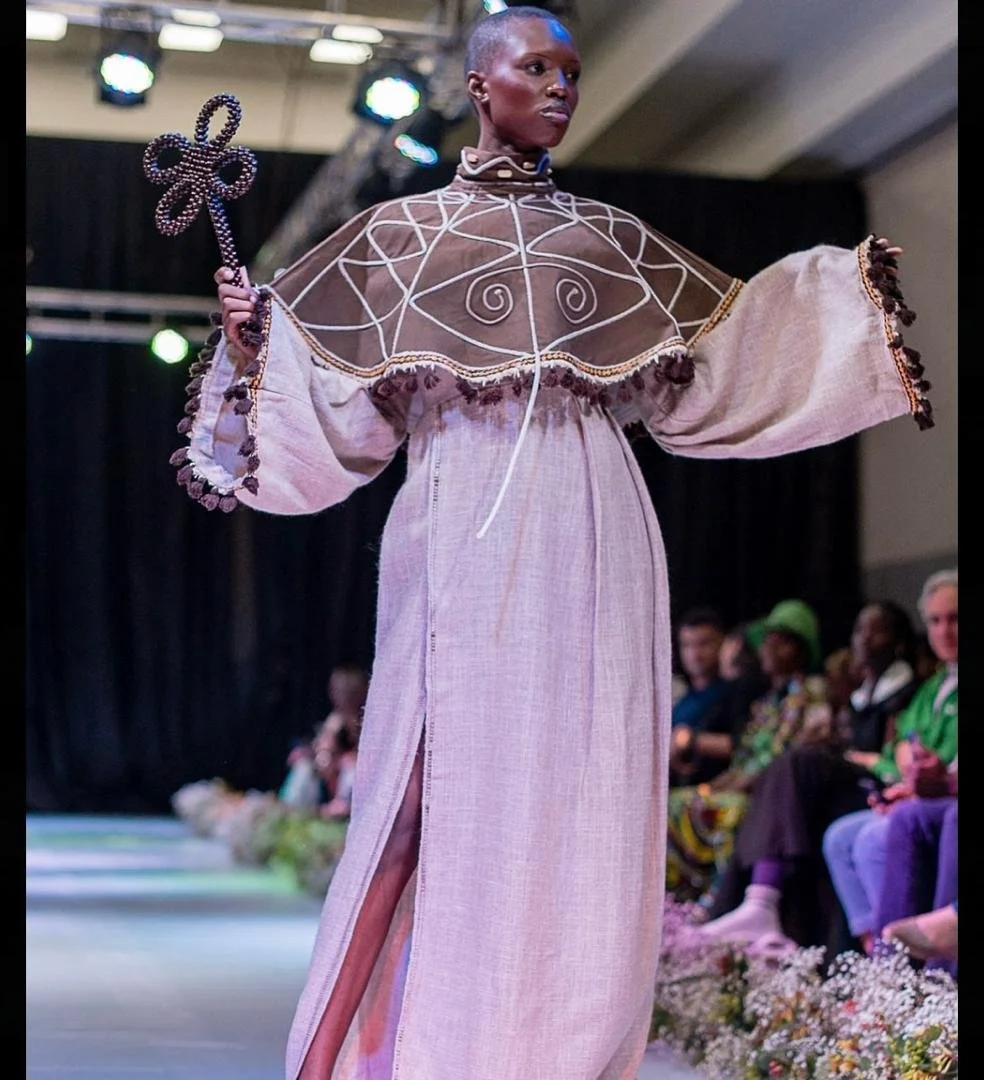
SOKOLATA is another brand that practices regenerative fashion. Sikoti Mbaitjongue owns it. This brand redefines African luxury through organic Senegalese cotton, Beninese raw cotton, and handwoven textiles. Every aspect of this brand's supply chain is rooted in ethical production. However, due to the overall production costs and the need to ensure sustainability, many African consumers are priced out.
Urban streetwear label Bone Koboyi uses repurposed and recycled materials and local artisans to make its pieces. It is run by Jean Maurice Niyigena, a Rwandan designer, to honor African culture and craftsmanship while protecting the environment.
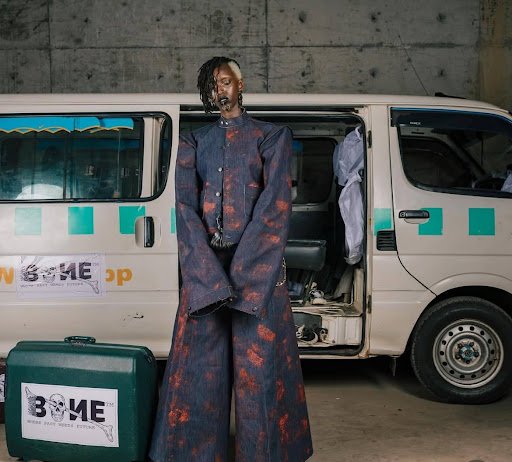
Model in sustainable two-piece by Bone Koboyi
As you can see from this list, regenerative fashion provides an opportunity to save the environment while celebrating and preserving our culture. We have brands using African-sourced raw materials and local artisans. Essentially, there’s so much for African brands to gain by shifting to regenerative fashion practices.