Nollywood & Fashion: A Dynamic Tapestry of Style, Identity, and Global Influence
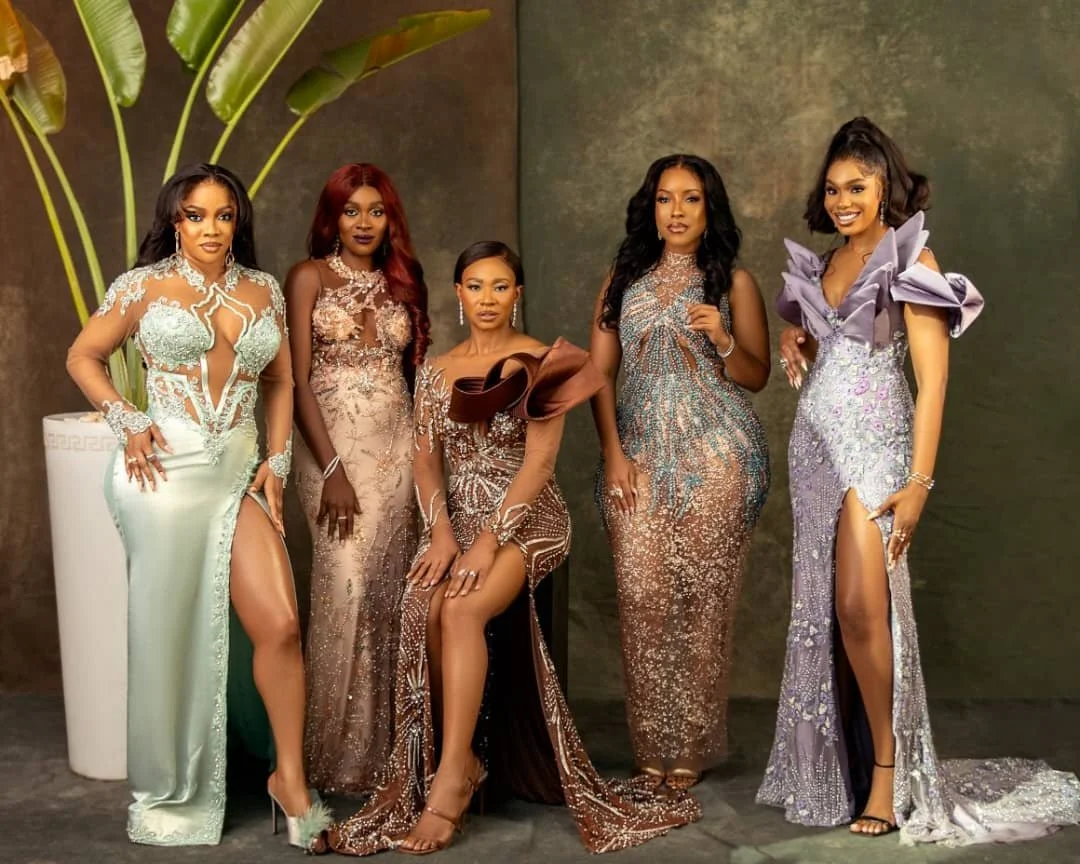
The cast of ‘Glamour Girls’ (2022)
Photogragh sourced from THISDAY Style
From the raw authenticity of its early productions to the dazzling glamour of today's red-carpet spectacles, Nollywood has undeniably shaped African fashion in profound and captivating ways. More than just entertainment, Nigerian cinema has consistently served as both a mirror reflecting societal trends and a powerful force shaping new narrative styles. Whether it’s through groundbreaking films like Living in Bondage or the opulent showcases at modern premieres, fashion has always been an indispensable character in Nollywood's compelling dramas, defining everything from character to class with its bold statements, from flashy gold jewelry to vibrant Ankara prints. Today, a new generation enthusiastically rediscovers and celebrates these pivotal fashion moments, making early Nollywood aesthetics strikingly relevant once again.
The roots of Nollywood's fashion influence date back to the 1990s, an era when the industry truly flourished with its low-budget VHS films, which offered an authentic glimpse into the everyday lives of Nigerians. Fashion in these foundational films directly mirrored society's attire, featuring flowing boubous, intricate adire prints, elegant gele headwraps, and majestic agbadas, all of which symbolized a deep cultural heritage. Early cinematic landmarks such as Living in Bondage (1992) and Glamour Girls (1994) meticulously laid the groundwork for distinct class-based fashion distinctions. The wealthy protagonists proudly showcased their elevated status through luxurious lace fabrics, elaborately embroidered kaftans, and shimmering gold jewelry, while the working class embraced the everyday vibrancy of Ankara prints, casual denim, and simpler, practical hairstyles, each style telling a clear story of social standing.
The early 2000s ushered in Nollywood’s vibrant Y2K era, a period that vividly reflected Nigeria's rapid urbanization and its burgeoning exposure to Western influences. As bustling cities like Lagos and Abuja rapidly expanded, a dynamic youth culture emerged, eagerly embracing a fascinating blend of global trends and local aesthetics. This era also witnessed the rise of homegrown celebrities like Genevieve Nnaji, Omotola Jalade Ekeinde, and Rita Dominic, whose on-screen wardrobes quickly evolved into real-life fashion blueprints, making them instant style icons. Nollywood fashion during this time beautifully fused local and global influences, with denim skirts, trendy crop tops, figure-hugging bodycon dresses, and alluring halter necks taking center stage for women. Men, meanwhile, gravitated towards hip-hop-inspired fashion, characterized by baggy jeans, stylish durags, fitted shirts, and iconic Timberland boots. The influence extended to hair and beauty trends as well, with thin eyebrows, glossy lips, and colored eye shadow becoming must-haves, complemented by elaborate hairstyles such as intricate cornrows, striking bantu knots, and luxurious Brazilian weaves.

Aṣọ òkè (traditional Yoruba fashion) featured in ‘Aníkúlápó’, a Nollywood film on Netflix.
Photograph by The Khair Media
As Nollywood gained increasing global recognition from the 2010s to the present, the role of professional fashion designers became more prominent in costuming, seamlessly blending traditional African styles with high fashion. Visionary designers such as Lisa Folawiyo, Deola Sagoe, and Mai Atafo profoundly transformed Nollywood wardrobes. Films like The Wedding Party (2016) notably highlighted elaborate aso ebi ensembles and celebrated Nigerian luxury fashion, marking a pivotal moment. This era also ignited a spectacular red-carpet revolution, where Nigerian celebrities gracefully embraced haute couture, proudly wearing global brands while simultaneously championing and showcasing the incredible talent of African designers.
The influence of Nollywood fashion now stretches far beyond Nigeria's borders. Thanks to global streaming platforms like Netflix, Amazon Prime, and YouTube, Nigerian style is gaining unprecedented international recognition. Celebrities within the industry are increasingly collaborating with major fashion houses such as Gucci, Dior, and Balmain, further elevating the industry's global influence and prestige. The dynamic crossover between the booming Afrobeats music scene and Nollywood has also powerfully fueled this movement, with stars like Tiwa Savage and Burna Boy enthusiastically embracing Nollywood-inspired looks and reviving classic African silhouettes, creating a powerful cultural synergy.

The cast of ‘Everybody Loves Jenifa’ adorned in Yoruba traditional prints in modern styles.
Photograph sourced from Funke Akindele on Instagram.
Looking ahead, Nollywood fashion is poised for even more exciting transformations. The industry is enthusiastically embracing Afrofuturism, a compelling aesthetic that blends ancestral African styles with futuristic elements in film, promising visually stunning and culturally rich narratives. There is also a notable and growing collaboration between Nigerian designers and Hollywood costumers, which is set to further elevate the industry's global footprint and creative exchange. Additionally, Nollywood productions are increasingly making a conscious shift towards incorporating sustainable, handmade, and ethically sourced fashion, reflecting a broader commitment to more conscious and culturally rooted storytelling within the industry.