Who Gets to Wear What? Fashion, Class, and Gatekeeping in African Society
Fashion is never just about clothes. It concerns identity, aspiration, and, in many cases, power. In African societies, fashion has always served as a key cultural marker. It reflects hierarchies, access, and the invisible boundaries of class—the question of “who gets to wear what” is not new. From pre-colonial traditions to today’s luxury runways, clothing has consistently served as both a tool of expression, a class indicator, and a mechanism of gatekeeping.
Traditional Roots of Dress and Status
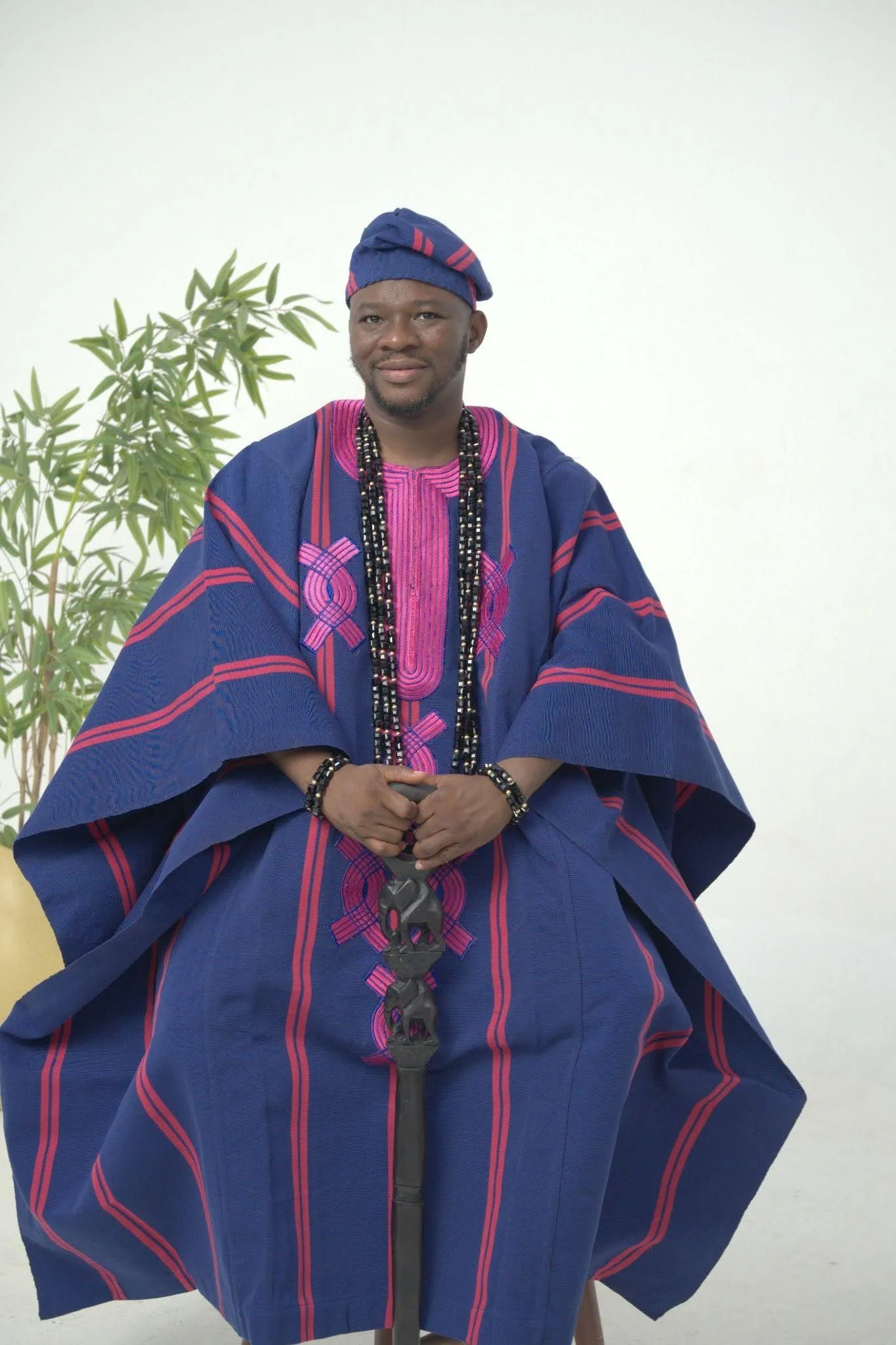
Man in traditional Yoruba attire sits indoors, showcasing Nigerian culture photograped by Taiye Salawu.
In many African societies, dress was historically associated with lineage, wealth, or community roles. Among the Yoruba, certain cloths, like Aṣọ òkè, were reserved for chiefs, royalty, and special ceremonies. The Igbo reserved Ìsì Ágụ for titled men, while the Zulu beadwork patterns could signify marital status, rank, or family lineage.
Clothing was not only functional or aesthetically pleasing; it was also symbolic. It marked the boundary between the ordinary and the elite, and dictated what could or could not be worn by different groups. These traditions embedded fashion with layers of meaning that still influence modern dress codes.
Colonial Influence and Imported Hierarchies
Colonialism introduced a new kind of gatekeeping and hierarchy defined by proximity to European styles and brands. Western suits, dresses, and uniforms became symbols of sophistication, education, and power. Those who could afford imported clothes were often elevated socially, while traditional attire was sometimes dismissed as “backwards.”
This legacy remains prominent today. In many African cities, Western luxury brands are often equated with wealth and status, while local fabrics, rich in artistry, are frequently undervalued unless reinterpreted by elite designers.
Fashion as Class Currency
In today’s Africa, fashion continues to serve as currency in the language of class. Luxury brands, both local and international, are often out of reach for the majority of people. They are reserved for those who can navigate elite social circles. For instance, high-end Nigerian designers like Andrea Iyamah, Deola Sagoe, Ashluxe, Lisa Folawiyo, and Lanre Da Silva Ajayi cater to an audience that can afford the craftsmanship and exclusivity of their designs.
At the same time, global luxury houses like Louis Vuitton, Gucci, and Dior are sought after by Africa’s growing middle and upper classes, signalling not just wealth but also belonging to the bourgeoisie. The label on your clothing can often say as much about your social standing as your job title or neighbourhood.
Gatekeeping in Cultural Spaces
Fashion also plays a role in cultural gatekeeping. For example, in some communities, certain fabrics or dress styles are reserved for use during rites of passage, weddings, or religious ceremonies. Wearing them outside these contexts can spark criticism or accusations of disrespect.
Even within urban spaces, class and cultural gatekeeping intersect. In Lagos, for instance, the flamboyant aṣọ-ẹbí system at weddings often creates financial pressure. Guests are expected to purchase specific fabrics, sometimes at steep costs, as a means of demonstrating solidarity and social connection. Those who cannot afford it risk exclusion from key social spaces.
The Digital Era
Social media has complicated access to fashion in Africa. On one hand, Instagram and TikTok have given visibility to young designers, thrifters, and stylists who create alternative aesthetics outside elite circles. Affordable ready-to-wear brands and second-hand markets (such as okrika/bend down select) are being reimagined through digital platforms, making style more accessible.
On the other hand, social media has also heightened class performance. Influencers often showcase luxury lifestyles, numerous unboxing videos, and curated wardrobes that reinforce aspirational divides. The “soft life” aesthetic has become a new form of fashion gatekeeping, where looking wealthy and stylish is itself a marker of social status and belonging.
Gender and Fashion Power Dynamics
Class-based gatekeeping in fashion is also gendered. Women, more than men, often face stricter expectations about what they should wear, when, and how. In many African cities, wealthy women use fashion as a statement of social standing, with couture pieces and statement accessories serving as both armor and display. At the same time, working-class women are often policed for being “too loud”, “fake”, or “inappropriate” if they replicate elite aesthetics outside their class.
Men, too, face their pressures, especially in cultures where Western suits remain the default symbol of professionalism and respectability, even as younger generations embrace streetwear, native attire, and hybrid styles.
Toward a More Inclusive Fashion Future
The story of African fashion is as glamorous as it is plagued by inequality. Who gets to wear what often depends less on personal taste and more on access. Access to money, networks, and spaces of belonging.
Breaking down fashion gatekeeping requires celebrating and elevating local creativity at all levels, not just at the luxury end of the spectrum. It means honouring the artistry of traditional tailors and street vendors alongside internationally recognised designers. It also means challenging the colonial legacies that equate European fashion and brands with sophistication, while undervaluing African innovation and creativity.
Fashion can remain an expression of identity without being a tool of exclusion or condescension. Real luxury shouldn’t be in the fabric or label; it should be in fashion's freedom for everyone. It should be about allowing people to wear what reflects their identity, without any form of segregation.